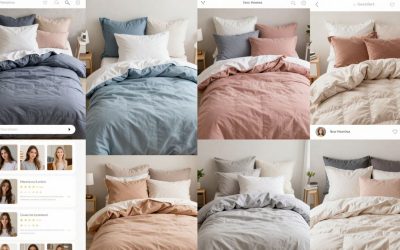
So, you’re looking at your bed and thinking, ‘What is a sham?’ It’s a question many of us have when we see those fancy pillows that seem to do more than just support your head. They’re not quite pillowcases, and they’re definitely not just random cushions. Think of them as the stylish outfit your pillows wear to make your bed look put-together. We’ll break down what exactly a sham is, why it’s different from your everyday pillowcase, and how it can totally change the look of your bedroom.
Key Takeaways
- A sham is a decorative pillow cover, often with a more elaborate front and a closure on the back, designed to dress up a bed.
- While similar to a pillowcase, a sham’s primary role is aesthetic, adding style and texture, rather than being for sleeping.
- Historically, shams evolved from simple protectors to status symbols and are now a common decorative bedding accessory.
- Different types of shams exist, like standard, Euro, and boudoir, each serving a specific purpose in layering and design.
- Shams help create a polished bedroom look by coordinating with other bedding and adding visual depth, but they are typically removed or placed behind sleeping pillows.
What Is a Sham?
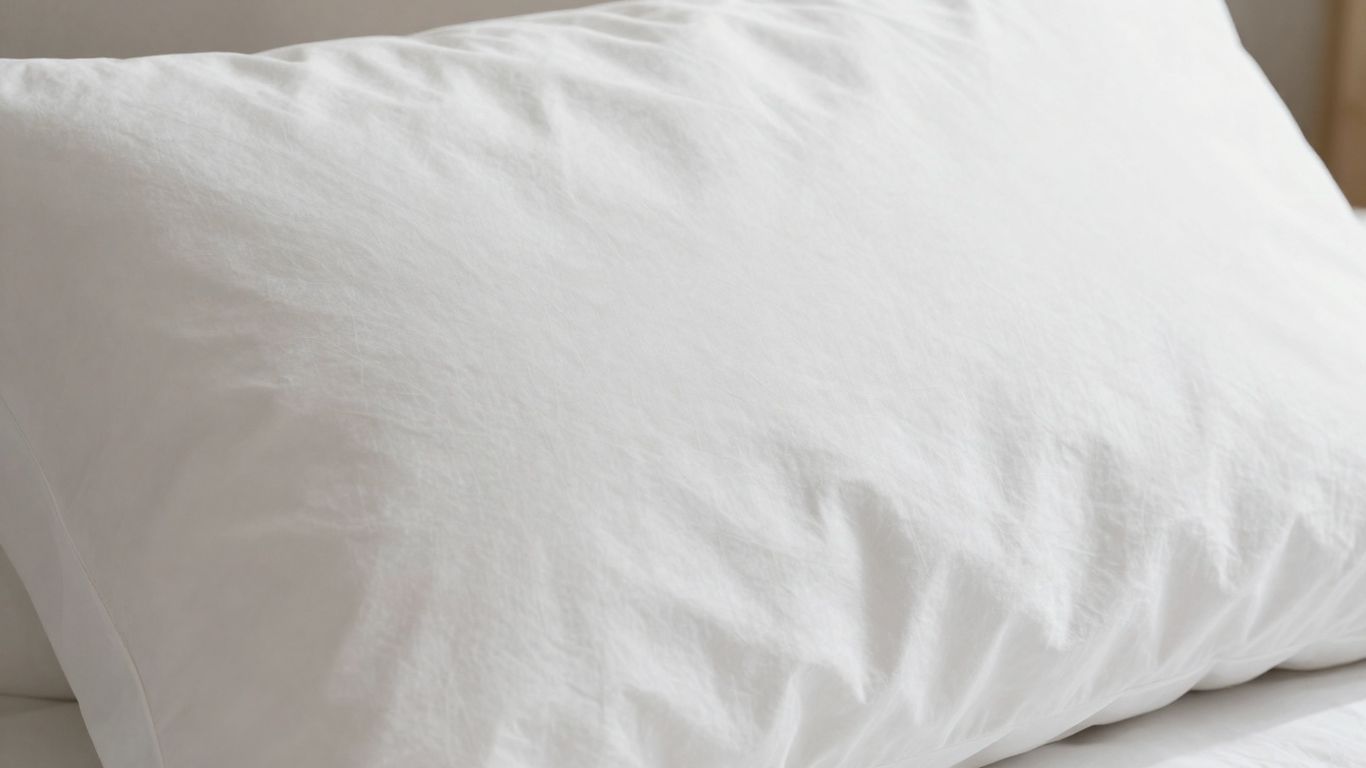
So, you’ve probably seen them on beds everywhere, those fancy pillow covers that look a bit different from your everyday sleeping pillowcase. These are called shams, and they’re a bit of a bedroom style secret weapon. Think of them as the stylish outfit your pillows wear when they’re not busy being slept on. They’re designed to look good and add a polished touch to your whole bed setup.
Defining the Decorative Pillow Cover
A sham, or pillow sham, is essentially a decorative cover for a pillow. Unlike a standard pillowcase that you might use every night, a sham is primarily for show. Its main job is to make your bed look more put-together and visually appealing. They often have a more finished look, sometimes with decorative edges, quilting, or special closures, and are usually made from materials that match or complement your duvet cover or bedspread. They’re the finishing touch that takes a bed from just functional to fabulously styled.
Understanding the Etymology of ‘Sham’
It’s kind of interesting where the word "sham" comes from. It actually dates back to the late 17th century. While its exact origin is a little fuzzy, it’s thought to be related to the word "shame," possibly as an alteration. Back then, it might have referred to something that was a pretense or a fake, but in the context of bedding, it evolved to mean something that’s purely for appearance, not for everyday use. It’s like the pillow equivalent of putting on your best clothes – it’s for looking good!
Distinguishing Shams from Pillowcases
This is where a lot of people get confused, and honestly, it’s easy to see why. Both cover pillows, right? But there are some key differences. Pillowcases are usually simple, open at one end, and made for sleeping. Shams, on the other hand, are more decorative. They often have a different closure system, like buttons or an envelope closure on the back, and are made from more substantial or decorative fabrics. They’re not typically meant for sleeping on, though some people do. Think of a pillowcase as your comfy PJs and a sham as your stylish blazer – different purposes, different looks. If you’re looking for a pillow that offers comfort for sleeping, you might consider something like a memory foam pillow [8268].
Shams are the unsung heroes of bedroom decor. They transform ordinary pillows into decorative elements, adding layers of texture and color that tie your entire bedding ensemble together. They’re not just covers; they’re part of the design.
The Purpose and Function of Shams
So, why exactly do we bother with shams? They’re more than just fancy pillow covers, even though they definitely look the part. Think of them as the finishing touch that pulls your whole bedroom look together. They really do serve a few key jobs.
Enhancing Bedroom Aesthetics
This is probably the most obvious reason people use shams. Shams are all about making your bed look good. They add a layer of visual interest that a plain set of pillows just can’t match. You can get them in all sorts of fabrics, colors, and patterns – think rich velvets, crisp linens, or even ones with cool embroidery. They help define the space and make your bed look more inviting, like something out of a magazine. It’s like putting on a nice outfit; it just makes everything feel more put-together.
Protecting Pillows from Contaminants
Beyond just looking pretty, shams actually do a job. They act as a protective layer for your actual sleeping pillows. Over time, pillows can get dusty, absorb oils from your hair, and generally just get a bit grimy. Since shams are usually easier to remove and wash than a whole pillow, they help keep your sleeping pillows cleaner for longer. It’s a practical benefit that often gets overlooked because they look so decorative.
Adding Texture and Depth to Bedding
Shams are fantastic for adding that extra bit of oomph to your bedding. You can layer different sizes and shapes of shams to create a really plush, inviting look. For example, a couple of large Euro shams in the back, followed by standard shams, and maybe a smaller boudoir sham right in front. This layering technique adds dimension and makes your bed look more substantial and luxurious. It’s a simple way to make your bed the focal point of the room.
Historical Evolution of Shams
Early Utilitarian Origins
Believe it or not, pillow shams weren’t always just about looking pretty. Way back when, especially in the Middle Ages, they actually had a more practical job. Think of them as an early form of protection for your pillows. Wealthy folks, in particular, used these covers to keep their fancy pillows clean from things like dirt and body oils. It was a way to show off, sure, but also to keep their bedding in better shape for longer. They were often made from rich fabrics, sometimes even silk, and you’d see a lot of detailed stitching or other fancy bits on them. It was a mix of keeping things tidy and adding a bit of flair to the bed.
Victorian Era Embellishments and Status
Fast forward to the Victorian era, and shams really started to shine as decorative pieces. This was a time when bedrooms were often elaborate spaces, and the bed was a central focus. Shams became a way to really amp up the style. You’d see them adorned with all sorts of things – intricate embroidery, delicate lace, maybe even ribbons or tassels. These weren’t just simple covers anymore; they were statements. Having beautifully decorated shams could signal your social standing and taste. They were part of the whole elaborate bedding ensemble that was popular then, making the bed look like a grand piece of furniture in the room. It was all about creating a very specific, often opulent, look.
Transition to Decorative Bedding Accessory
Over time, the role of the sham continued to shift. While they always had a decorative element, the emphasis moved more firmly in that direction. As bedding styles evolved, shams became less about strict utilitarianism and more about complementing the overall look of the bed. They started being designed to match or coordinate with bedspreads, quilts, and duvet covers, creating a more cohesive and polished appearance. Today, they’re a standard part of many bedding sets, offering a simple yet effective way to add texture, color, and a finished look to your bedroom. They’ve become a go-to for anyone wanting to style their bed beyond just the basic sleeping pillows, proving their lasting appeal as a versatile bedding accessory.
Types of Shams and Their Placement
So, you’ve got your pillows, and now you’re looking at shams. They aren’t just random fabric squares; they come in different sizes and have specific spots on the bed. Think of them as the supporting cast that makes the main pillows look good.
Standard, Queen, and King Shams
These are probably the most common types you’ll see, and they’re named after the standard mattress sizes. They usually match the width of your sleeping pillows.
- Standard Shams: Typically fit a standard pillow (20×26 inches). You’ll usually see two of these on a twin or full-sized bed.
- Queen Shams: Designed for queen-sized pillows (20×30 inches). A queen bed often gets two queen shams.
- King Shams: These are the longest, fitting king-sized pillows (20×36 inches). A king bed usually sports two king shams, often placed at the back.
Placement Tip: These larger shams usually go against the headboard or wall, forming the base layer of your decorative pillow arrangement. They’re like the foundation for everything else you’ll add.
Euro Shams for Layering
Euro shams are square, usually measuring 26×26 inches, though you might find slight variations. They add a nice architectural element to the bed. Because they’re square, they look great layered in front of the rectangular standard, queen, or king shams. They really help build that plush, inviting look that makes you want to jump into bed. You can use one or two, depending on the size of your bed and how many pillows you’re stacking.
Boudoir Shams for Added Detail
Boudoir shams are the smallest of the bunch, often rectangular and quite petite, maybe around 12×16 inches. They’re like the little accents that finish off the whole look. You can place them in front of the other shams, often centered, to add a pop of color, pattern, or texture. They’re perfect for that extra bit of personality and detail. Think of them as the jewelry for your bed.
The arrangement of shams is really about creating visual interest and a sense of cozy luxury. Don’t be afraid to play around with different combinations to see what feels right for your space. It’s your bed, after all!
Choosing the right shams and knowing where to put them can totally change the feel of your bedroom. It’s a simple way to make your bed look more put-together and inviting, almost like a hotel room, but with your own personal touch. If you’re looking for the perfect pillow to go inside your sham, check out this guide on choosing the best pillow.
Styling Your Bed with Shams
So, you’ve got your shams, but how do you actually make them look good on your bed? It’s not just about tossing them on there; there’s a bit of an art to it, really. Think of them as the finishing touches that pull your whole bedroom look together. Getting the arrangement right can totally transform your space from just a place to sleep into a cozy, stylish retreat.
Mixing Patterns and Textures
This is where you can really let your personality shine. Don’t be afraid to mix things up! Combining different patterns, like stripes with florals, or solids with intricate designs, can add a lot of visual interest. Just try to keep a common color thread running through them so it doesn’t look too chaotic. Texture is another big player here. Think about a smooth sateen sham next to a chunky knit throw or a velvet cushion. It adds a tactile dimension that makes your bed look and feel more inviting. It’s all about creating layers that invite you to sink in.
Coordinating with Bedding Sets
While shams are often sold separately, they can also be part of a larger bedding set. If you’ve got a comforter or duvet cover with a specific pattern, you can often find matching or coordinating shams. This is the easiest way to get a cohesive look. However, you don’t have to stick to a matching set. You can pick shams that pick up on a secondary color in your comforter or duvet. For example, if your duvet has a navy blue and cream pattern, you could use cream shams or shams with a subtle navy accent. It’s about creating harmony, not necessarily a perfect match. You can find some great options for organic cotton bedding that often come with coordinating shams.
Creating a Polished Bedroom Look
Placement is key here. A common way to style shams is to place them against the headboard, followed by any sleeping pillows, and then perhaps smaller decorative pillows or boudoir shams in front. This creates a tiered effect that looks intentional and put-together. Another approach is to layer them, placing larger shams behind smaller ones for added depth. Don’t forget about the back closure – some shams have envelope closures, while others have zippers. This detail can affect how neatly they sit on your pillows.
The goal is to make your bed look inviting and styled, like something out of a magazine, but still comfortable enough for everyday use. It’s a balance between aesthetics and practicality.
Here are a few ideas to get you started:
- Classic Layering: Place your sleeping pillows against the headboard, then layer your standard or king shams in front of them. If you have Euro shams, they can go in front of the standard shams, creating a full, plush look.
- Textural Contrast: Pair a smooth, solid-colored sham with a patterned duvet cover. Or, try a sham with subtle embroidery against a plain comforter.
- Color Play: Use shams that pull out a secondary color from your bedding. If your duvet has hints of green, choose green shams to tie everything together.
- The Finishing Touch: Add a small boudoir sham or a decorative cushion right at the front for that extra pop of detail.
Sham vs. Pillowcase: Key Differences
Okay, so we’ve talked about what shams are and why they’re neat, but let’s get down to the nitty-gritty: how do they actually stack up against the humble pillowcase? It’s a question I get asked a lot, and honestly, it’s easy to get them mixed up because, well, they both cover pillows. But trust me, there are some pretty big differences in how they’re made and what they’re for.
Design and Closure Variations
This is where you’ll see the most obvious differences. A pillowcase is pretty straightforward – it’s basically a fabric sleeve designed to slip over your pillow. Usually, it has an opening at one end, sometimes with a little cuff, and that’s it. Its main job is to be comfy and easy to get on and off.
A sham, on the other hand, is all about looks. Think of it as a fancy outfit for your pillow. Shams often have a decorative border, like a flange (that’s a strip of fabric that sticks out around the edge), or other embellishments. The opening is usually hidden on the back, often with an envelope closure (where one side tucks over the other) or sometimes a zipper. This keeps the front looking super neat and tidy. The goal with a sham is to make your bed look put-together, not necessarily to be slept on.
Material and Fabric Choices
While both can be made from a variety of fabrics, there’s a general trend. Pillowcases are typically made from the same material as your bed sheets – think cotton, linen, or a blend. This makes them feel soft and breathable for sleeping. You want that cozy feel, right?
Shams, because they’re more decorative, might use a wider range of fabrics. You’ll find them in everything from crisp cotton to luxurious satin, velvet, or even textured weaves. Sometimes, the fabric is chosen more for its visual appeal or how well it drapes than for its sleeping comfort. It’s all part of dressing up the bed.
Functional Roles in Bedding
This is the core of the distinction. A pillowcase is a functional item. Its primary purpose is to protect your pillow from sweat, oils, and dirt, keeping it clean and extending its life. Plus, it provides a comfortable surface for your head while you sleep. You wash pillowcases frequently, usually every week or two, just like your sheets.
Shams, while they do offer some protection, are mainly decorative. They’re meant to be part of the overall bed design, adding layers and visual interest. You’ll often see them arranged artfully on the bed during the day, perhaps in front of your sleeping pillows. While you can technically sleep on a sham, it’s not really what they’re designed for. The decorative elements might get in the way, and they aren’t usually made with the same focus on softness for direct skin contact. They’re more about the look of the bed than the feel of sleeping.
Here’s a quick rundown:
- Pillowcase: Primarily for sleeping, protects the pillow, easy to wash, usually made of sheet material.
- Sham: Primarily decorative, adds style and texture, often has embellishments, opening is usually hidden on the back.
So, if you’re looking for something to actually sleep on, grab a pillowcase. If you want to make your bed look like a magazine spread, shams are your best bet. They work together to create a complete and stylish look for your bedroom.
Think of it this way: your pillowcase is your everyday workhorse, and your sham is your stylish accessory. You need both for a well-dressed and comfortable bed, but they serve different purposes. For more on choosing the right bedding, check out pillow covers.
Wrapping It Up
So, there you have it. A sham isn’t just some fancy word for a pillow cover; it’s a specific kind of decorative case that really pulls a bedroom together. While you could technically sleep on one, they’re really meant to look good. Think of them as the stylish outfit for your pillows, making your bed look neat and put-together, especially when you’re not using it. They’re different from your everyday pillowcase, usually with a more decorative front and a hidden opening in the back. Adding shams is a simple way to give your bedding a more polished and finished look, turning a regular bed into something a bit more special.
Frequently Asked Questions
What exactly is a sham?
Think of a sham as a fancy outfit for your pillow! It’s a decorative pillow cover, usually made with nicer fabrics and often having more detailed designs than a regular pillowcase. Its main job is to make your bed look pretty.
How is a sham different from a pillowcase?
A pillowcase is what you sleep on, designed for comfort and to protect your pillow from sweat and oils. A sham, on the other hand, is all about looks. It often has a more decorative front, a different kind of opening (like in the back with buttons or a zipper), and is usually made of materials that look good but might not be as soft for sleeping.
Why would someone use a sham?
Shams are used to make a bed look more put-together and stylish. They add color, texture, and a finished look to the whole bed. They can also help protect your regular pillows from dust and dirt when you’re not sleeping on them.
Can you sleep on a sham?
While you technically could, shams aren’t really made for sleeping. They’re often decorated with things like embroidery or special fabrics that might not feel great against your face all night. Most people take them off or place them behind their regular sleeping pillows when it’s time to rest.
What are the different kinds of shams?
There are a few common types! Standard, Queen, and King shams usually match the size of your bed. Euro shams are square and often used to add layers at the head of the bed. Boudoir shams are smaller and rectangular, adding even more detail.
How do you style a bed using shams?
Shams are great for layering! You can put larger Euro shams behind your regular sleeping pillows, or arrange them with other decorative pillows. Mixing different patterns and textures on your shams can make your bed look really inviting and stylish.