You know, that loud snoring sound? It might be more than just a nighttime annoyance. For a lot of people, it’s actually a sign that something more serious is going on, like sleep apnea. It’s easy to just brush it off, but understanding the link between snoring and sleep apnea could be the first step to getting better sleep and feeling way better overall. Let’s break down what’s really happening when you snore and why it matters.
Key Takeaways
- Snoring happens when throat tissues vibrate due to airflow, but it can signal a more serious issue like obstructive sleep apnea (OSA).
- Loud, consistent snoring, especially with gasping or pauses in breathing, are red flags for sleep apnea.
- Untreated sleep apnea can lead to significant health problems, including heart issues, diabetes, and mental health challenges.
- Diagnosing sleep apnea often involves sleep studies, either at home or in a lab, to monitor breathing and oxygen levels.
- Treatment options range from lifestyle changes and CPAP machines to custom oral appliances, often with dentists playing a role in management.
Understanding The Snoring And Sleep Apnea Connection
You might think of snoring as just a noisy annoyance, something that gets you nudged by your partner or makes your family members complain. But sometimes, that loud snoring is actually a signal that something more serious is going on with your sleep. It could be a sign of sleep apnea, a common sleep disorder that needs attention.
What Causes Snoring?
Snoring happens when the flow of air through your mouth and nose gets partially blocked while you’re sleeping. Think of it like this: as you breathe, the soft tissues in the back of your throat relax. If they relax too much, they can vibrate as air passes by, and that vibration is what creates the snoring sound. It’s pretty common; lots of people snore sometimes. It’s not usually a big deal if it’s just occasional, light snoring.
When Snoring Becomes A Serious Concern
However, snoring can become a bigger issue when it’s loud, happens most nights, and is accompanied by other symptoms. This is where it starts to overlap with sleep apnea. If your snoring is disruptive, or if your partner notices you stop breathing for short periods during sleep, that’s a red flag. It means the blockage might be more significant, affecting how much air you actually get.
The Link Between Snoring And Sleep Apnea
So, what’s the actual connection? Well, snoring is a primary symptom of obstructive sleep apnea (OSA). In OSA, the airway doesn’t just narrow; it can actually collapse completely for a short time. This causes breathing to stop and start repeatedly throughout the night. While not everyone who snores has sleep apnea, research suggests about half of people who snore loudly do have it. The key difference is that with sleep apnea, these breathing interruptions disrupt your sleep quality and can lower your oxygen levels. This is why it’s more than just a noise issue; it can impact your overall health. If you’re concerned about your snoring, talking to a doctor or looking into a home sleep study might be a good next step.
Recognizing The Warning Signs Of Sleep Apnea
You might think of snoring as just a noisy annoyance, something that gets you nudged by your partner or maybe even a pillow thrown your way. But sometimes, that loud snoring is actually a signal, a sign that something more serious might be going on. It could be your body’s way of telling you about sleep apnea, a condition where your breathing stops and starts throughout the night. It’s not just about the noise; it’s about what’s happening (or not happening) with your breathing.
Loud Snoring And Other Nighttime Disturbances
Not all snoring means you have sleep apnea, of course. But when snoring becomes a regular, loud event, especially if it’s accompanied by other sounds, it’s worth paying attention. Think about these things:
- The sound itself: Is it consistently loud, maybe even disruptive to others in the house?
- Gasping or choking: Do you or your partner notice sudden gasps for air, or sounds like choking, during sleep?
- Breathing pauses: Has anyone ever mentioned that your breathing seems to stop for a few seconds and then restart abruptly?
These nighttime disturbances are often the first clues that your sleep isn’t as restful as it should be. It’s like your body is struggling to get enough air, and that struggle makes noise. If you’re waking up feeling like you can’t catch your breath, that’s a big red flag.
Daytime Symptoms To Watch For
Even if you don’t remember waking up during the night, sleep apnea can still mess with your days. The lack of quality sleep, due to those repeated breathing interruptions, can lead to a whole host of daytime issues. You might find yourself:
- Feeling excessively tired or drowsy, even after what felt like a full night’s sleep.
- Having trouble concentrating or focusing on tasks, sometimes described as ‘brain fog’.
- Experiencing morning headaches that seem to disappear as the day goes on.
- Waking up with a dry mouth or a sore throat.
These symptoms aren’t just about feeling a bit off; they can impact your work, your relationships, and your overall quality of life. It’s a sign that your body isn’t getting the oxygen and rest it needs to function properly.
Partner’s Observations Are Crucial
Honestly, your sleep partner is often your best detective when it comes to sleep apnea. They’re the ones who witness the snoring, the gasping, and the restless nights firsthand. If your partner has expressed concerns about your sleep habits, like noticing you stop breathing or make strange noises, take it seriously. They might be observing patterns that you’re completely unaware of.
Don’t dismiss your partner’s observations as just them being overly sensitive. They are often the first to notice the subtle, or not-so-subtle, signs that your sleep might be disrupted. Their input is incredibly important for getting a clear picture of what’s happening when you’re asleep.
If you’re experiencing any of these signs, it’s a good idea to talk to your doctor or a sleep specialist. They can help figure out if your snoring is just snoring, or if it’s a sign of sleep apnea that needs attention. Getting a diagnosis is the first step toward better sleep and better health.
The Health Risks Of Untreated Sleep Apnea
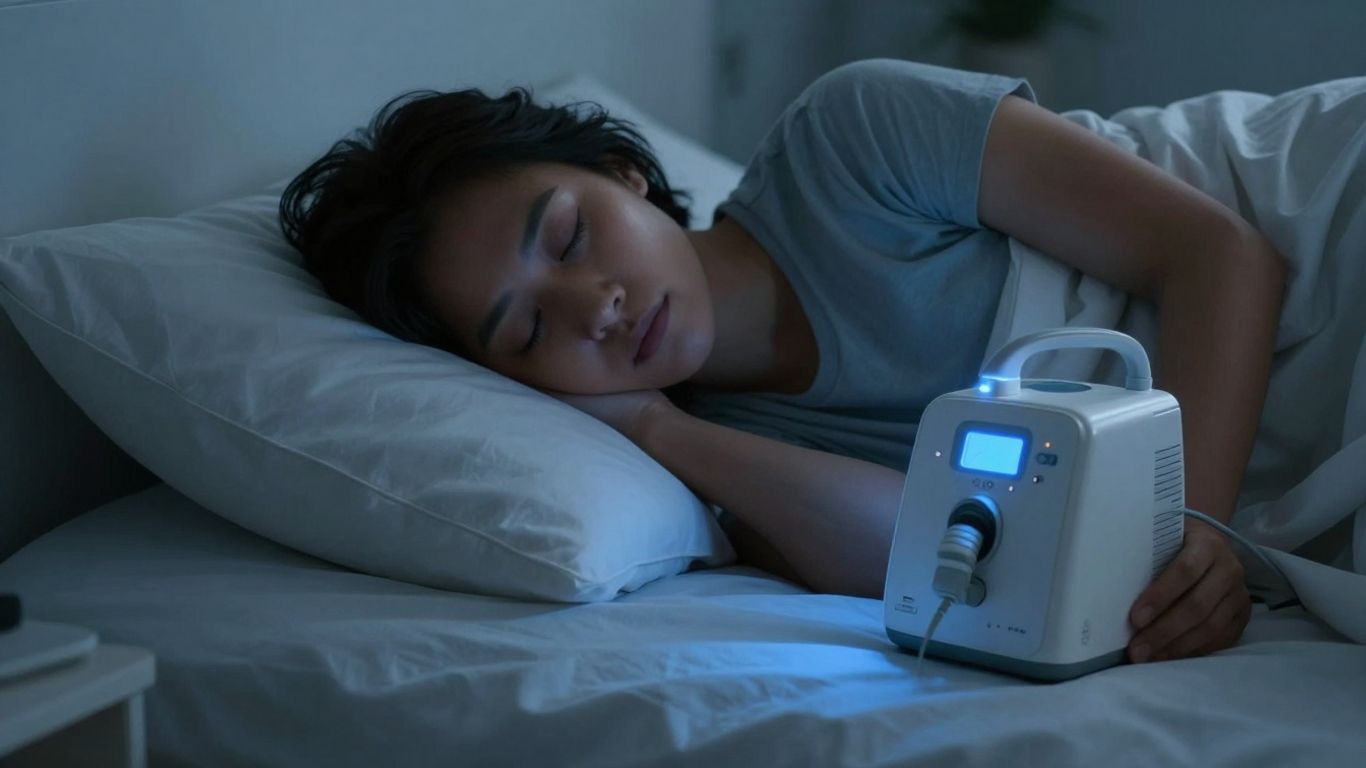
You might think of snoring as just an annoying habit, maybe something that gets you nudged by your partner. But if that snoring is actually a sign of sleep apnea, it’s doing a lot more damage than just disrupting sleep. When your breathing stops and starts all night, your body is constantly under stress, and that takes a serious toll over time. It’s not just about feeling tired; untreated sleep apnea can lead to some pretty significant health problems.
Cardiovascular Complications
This is a big one. When your breathing is interrupted repeatedly, your oxygen levels drop, and your heart has to work harder. This constant strain can really mess with your heart and blood vessels. We’re talking about:
- High blood pressure: Your body releases stress hormones when it doesn’t get enough oxygen, which can push your blood pressure up.
- Heart disease: The extra strain on your heart can lead to conditions like irregular heartbeats, heart attacks, and even heart failure.
- Stroke: Blood clots can form more easily when oxygen levels are low, increasing the risk of a stroke.
It’s a whole cascade effect that starts with those pauses in breathing. If you’re struggling with sleep apnea, getting it treated is really important for your heart health. You can find more information about how sleep position might help with breathing issues on pages about bed pillows.
Metabolic And Mental Health Impacts
It’s not just your heart that suffers. Sleep apnea can throw your whole system out of whack.
- Type 2 Diabetes: Studies show a strong link between sleep apnea and insulin resistance, which is a major factor in developing type 2 diabetes. Poor sleep messes with how your body handles sugar.
- Weight Gain: When you’re not sleeping well, your hormones that control appetite can get out of balance, making you crave unhealthy foods and store more fat.
- Depression and Anxiety: Constantly being sleep-deprived is a recipe for mood problems. It can make you feel irritable, anxious, and even depressed. It’s hard to feel good when you’re not getting restorative sleep.
Increased Risk Of Accidents
This one might seem obvious, but it’s worth repeating. When you’re not getting good quality sleep, you’re just not as alert. That daytime sleepiness isn’t just about yawning; it can be dangerous.
Daytime drowsiness caused by sleep apnea significantly increases the risk of accidents, whether you’re driving a car or operating machinery at work. Your reaction times slow down, and your judgment can be impaired, making simple tasks much riskier.
So, while snoring might seem minor, the health consequences of untreated sleep apnea are anything but. It really highlights why getting a proper diagnosis and treatment is so important for your overall well-being.
Diagnosing Sleep Apnea: Beyond The Snore
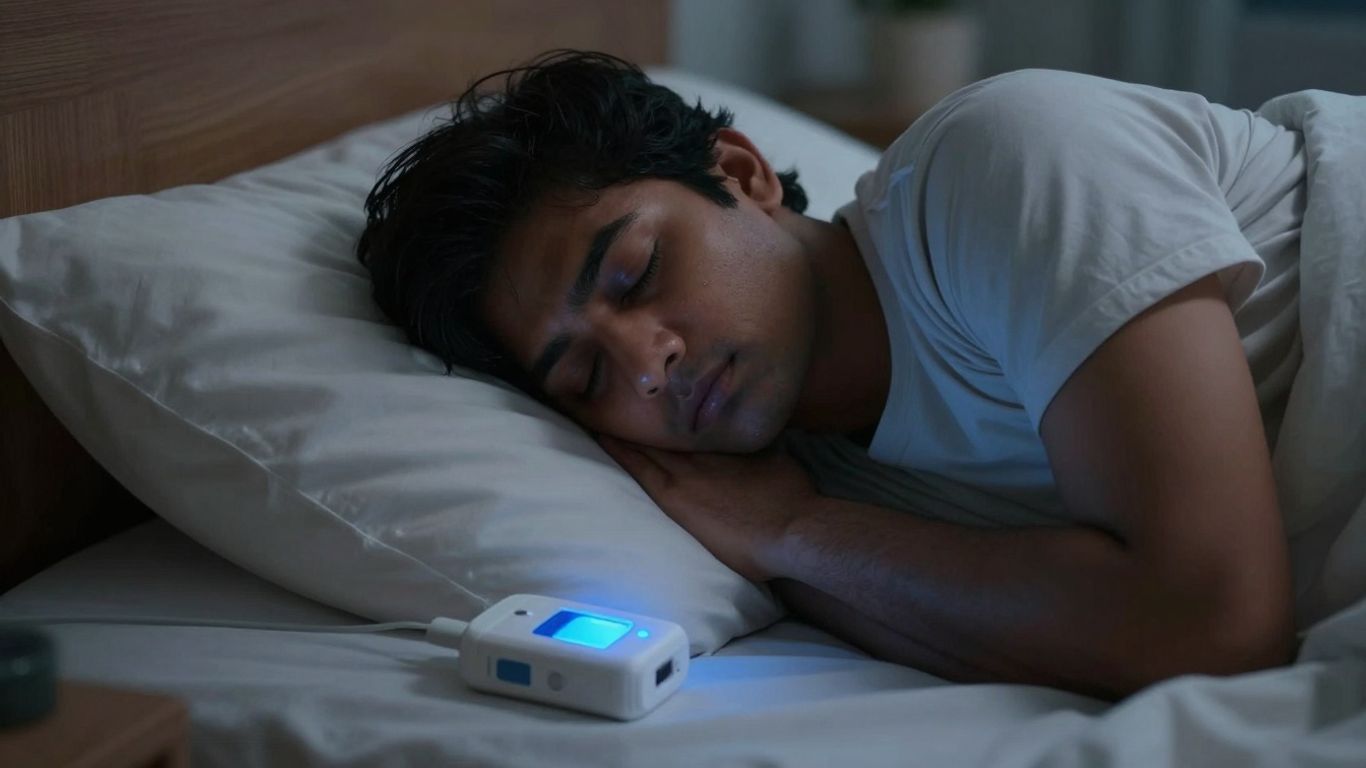
So, you’ve been told you snore, or maybe your partner has pointed it out. It’s easy to brush it off as just a quirky habit, but sometimes, that nightly noise is a signal that something more serious is going on. Figuring out if your snoring is just snoring or a sign of sleep apnea is where diagnosis comes in. It’s not always straightforward, and it definitely goes beyond just listening to the sounds you make at night.
The Role Of Sleep Studies
When it comes to confirming sleep apnea, a sleep study is the gold standard. Think of it as a detailed check-up of what your body is doing while you’re catching Zs. These studies monitor a bunch of things to see if your breathing is being interrupted. This is the most reliable way to get a definitive answer.
Here’s what a sleep study typically tracks:
- Brain waves: To see your sleep stages.
- Breathing patterns: How often and for how long you stop breathing.
- Blood oxygen levels: To check if your body is getting enough oxygen.
- Heart rate and rhythm: To see how your heart is affected.
- Limb movements: To rule out other sleep disorders.
These studies help doctors understand the severity of any breathing disruptions, which is key for planning treatment. It’s about getting a clear picture of your sleep health, not just guessing.
Home Sleep Tests Versus In-Lab Studies
There are two main ways to do a sleep study, and each has its pros and cons. The choice often depends on your specific situation and what your doctor recommends.
- In-Lab Sleep Studies: This is the more traditional route. You’ll spend a night in a special sleep center, hooked up to various monitors. A technician is usually present to ensure everything runs smoothly. It’s very thorough and captures a lot of data, but it can feel a bit clinical and might be less comfortable for some people.
- Home Sleep Tests (HST): These have become really popular because they let you sleep in your own bed. You’ll be given a portable device to wear at home that tracks your breathing, oxygen levels, and heart rate. It’s much more convenient and less intrusive. While HSTs are great for diagnosing common forms of sleep apnea, they might not capture as much detail as an in-lab study for more complex cases. You can find out more about obstructive sleep apnea diagnosis through these tests.
When To Seek Professional Evaluation
If you’re wondering whether you need to get checked out, here are some signs that it’s time to talk to a doctor or a sleep specialist:
- Your partner complains about your loud, disruptive snoring, especially if they notice pauses in your breathing.
- You wake up feeling unrefreshed, even after a full night’s sleep, and experience excessive daytime sleepiness.
- You suffer from frequent morning headaches, dry mouth upon waking, or have trouble concentrating during the day.
Don’t just live with the snoring or the fatigue. Getting a professional evaluation is the first step toward understanding what’s happening and finding a solution that can improve your sleep and your overall health. It’s about taking your well-being seriously.
Treatment Options For Snoring And Sleep Apnea
So, you’ve been told your snoring is more than just a nighttime noise, or maybe you’ve even been diagnosed with sleep apnea. It can feel a bit overwhelming at first, but the good news is there are several ways to tackle this. It’s not just about stopping the noise; it’s about getting better sleep and improving your overall health.
Lifestyle Modifications
Sometimes, simple changes can make a big difference. These aren’t always the most exciting solutions, but they can be quite effective, especially for milder cases or when combined with other treatments.
- Weight Management: If you’re carrying a few extra pounds, especially around the neck area, losing even a small amount of weight can help open up your airway. It’s not always easy, but it’s a solid step.
- Sleep Position: Try to avoid sleeping on your back. Gravity can cause your tongue and soft palate to collapse into your airway. Sleeping on your side, perhaps with a special pillow or even a tennis ball sewn into the back of your pajama top (seriously, some people do this!), can help keep you from rolling onto your back.
- Avoid Alcohol and Sedatives: These relax your throat muscles, making them more likely to collapse and cause snoring or apnea events. It’s best to steer clear, especially close to bedtime.
- Quit Smoking: Smoking irritates and inflames your airways, which can worsen snoring and sleep apnea. It’s a tough habit to break, but your sleep will thank you.
Oral Appliance Therapy
This is where dentists really shine in the sleep apnea world. If you can’t tolerate a CPAP machine or find it too cumbersome, an oral appliance might be your best bet. These custom-made devices are fitted by a dentist and work by repositioning your jaw or tongue to keep your airway open while you sleep. They’re pretty comfortable and easy to use.
- Mandibular Advancement Devices (MADs): These look a bit like mouthguards and gently pull your lower jaw forward. This action opens up the space at the back of your throat, preventing the tissues from collapsing.
- Tongue Retaining Devices (TRDs): These devices hold your tongue in place, preventing it from falling back into your airway.
These appliances are silent, portable, and many people find them much easier to stick with than other treatments. They’re designed specifically for your mouth, making them a comfortable and effective option for mild to moderate sleep apnea and even for reducing snoring on its own.
CPAP Machines and Other Devices
Continuous Positive Airway Pressure (CPAP) machines are often considered the gold standard for moderate to severe sleep apnea. They work by delivering a steady stream of air through a mask you wear over your nose or nose and mouth.
- How it Works: The air pressure acts like a splint, keeping your airway open throughout the night. This prevents the pauses in breathing that characterize sleep apnea.
- Types of Machines: There are different types, including CPAP, BiPAP (which offers two pressure levels), and APAP (which adjusts pressure automatically).
- Masks and Accessories: Finding the right mask is key to comfort and compliance. There are nasal masks, full-face masks, and nasal pillows, each with its own pros and cons.
While CPAP is highly effective, some people struggle with the mask, the noise, or the feeling of air pressure. If that sounds like you, don’t despair – there are other options, and working with your doctor or sleep specialist is the best way to find what fits your needs. Sometimes, simpler devices like nasal strips or dilators can help with snoring, but it’s important to remember they don’t treat the underlying apnea if it’s present.
The Dentist’s Role In Sleep Apnea Management
Identifying Potential Sleep Apnea Signs
Your dentist might be one of the first people to notice something’s up with your sleep. During a regular check-up, they’re looking at more than just your teeth. They can spot things like worn-down teeth from grinding (that’s bruxism), a really dry mouth, or even if your jaw or tongue seems a bit small, which can make your airway more likely to get blocked at night. It’s kind of like they’re doing a mini-screening without you even realizing it.
Custom Oral Appliances As A Solution
If sleep apnea is confirmed, and especially if you can’t handle a CPAP machine, your dentist can offer a custom-made oral appliance. Think of it as a special mouthguard. It’s designed to gently shift your lower jaw or tongue forward just enough to keep your airway open while you sleep. This can make a big difference in reducing snoring and improving breathing. It’s a much quieter and often more comfortable option for many people.
Here’s a quick look at what these appliances can do:
- Keep your airway open
- Reduce or stop snoring
- Improve sleep quality
- Be more comfortable than CPAP for some
Collaborating With Sleep Specialists
Dentists don’t work alone when it comes to sleep apnea. They often team up with sleep doctors. If your dentist suspects you might have sleep apnea, they can refer you to a specialist for a proper sleep study. Once you have a diagnosis, your dentist can then work with the sleep specialist to create the best treatment plan, which might include that custom oral appliance. It’s all about working together to get you better sleep.
It’s really important to remember that while snoring can be annoying, it could be a sign of a bigger health issue like sleep apnea. Don’t just ignore it. Talking to your dentist is a great first step because they can help figure out if further investigation is needed.
Don’t Just Snore Through It
So, if you’re the one snoring, or if your partner’s snoring is keeping you up, it’s really worth looking into. It might just be a bit of noise, sure, but it could also be a sign of sleep apnea, which can mess with your health in ways you might not expect. Things like high blood pressure, heart trouble, and even feeling down can be linked to it. The good news is, there are ways to figure out what’s going on, like a simple sleep study, and treatments that actually work. Don’t just ignore it and hope it goes away. Taking that step to get checked out could make a huge difference in how you feel, day in and day out. Seriously, better sleep is totally achievable.
Frequently Asked Questions
What’s the difference between regular snoring and sleep apnea?
Snoring happens when the tissues in your throat relax and vibrate as air passes through. It’s just noisy breathing. Sleep apnea is more serious because your airway actually gets blocked, causing you to stop breathing for short periods during sleep. While snoring is a common sign of sleep apnea, not everyone who snores has it.
Can snoring really lead to serious health problems?
Yes, if the snoring is a sign of sleep apnea. When your breathing stops and starts, your body doesn’t get enough oxygen. Over time, this can lead to high blood pressure, heart disease, stroke, diabetes, and even mood problems like depression. It’s important to get checked out if you suspect sleep apnea.
How do doctors figure out if I have sleep apnea?
The main way to know for sure is through a sleep study. This can be done at home with a small device that monitors your breathing and oxygen levels, or in a special sleep center where more detailed tests are done. These studies help doctors see exactly what’s happening when you sleep.
What are the main signs that my snoring might be sleep apnea?
Besides loud snoring, look out for gasping or choking sounds during sleep, pauses in breathing that a partner notices, feeling very tired during the day even after sleeping, morning headaches, or a dry throat when you wake up. These are all signs that your sleep might be disrupted.
Are there treatments for sleep apnea besides the CPAP machine?
Absolutely! While CPAP machines are common, there are other options. Lifestyle changes like losing weight or avoiding alcohol before bed can help. Dentists can also make special mouthpieces called oral appliances that help keep your airway open. Sometimes, surgery might be an option too.
Can a dentist really help with sleep apnea?
Yes, dentists can play a key role! They can spot signs of sleep apnea during regular check-ups, like teeth grinding or certain jaw structures. Many dentists also create custom oral appliances that are very effective for many people with sleep apnea, especially those who can’t tolerate CPAP machines. They often work with sleep doctors to manage the condition.