Introduction to Sleep Apnea Pillows
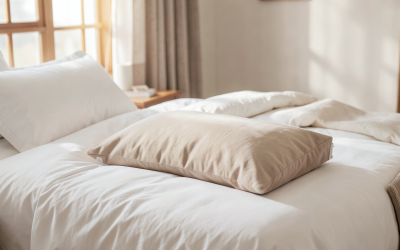
Sleep apnea, a prevalent sleep disorder, is characterized by interruptions in breathing during sleep. These pauses often lead to snoring, fragmented sleep, and reduced oxygen levels, impacting overall health. A specialized sleep apnea pillow addresses these issues by promoting optimal airway alignment during sleep. These pillows provide support that helps maintain an open airway, reducing the frequency and severity of apneic events. The use of a sleep apnea pillow often improves sleep quality and reduces daytime fatigue.
This comprehensive guide explores the benefits, features, and selection criteria for sleep apnea pillows, enabling informed decisions. Understanding the role of these pillows in a comprehensive sleep apnea management plan empowers individuals to take control of their sleep health. Selecting the right pillow often complements other treatments, such as CPAP therapy, leading to enhanced outcomes.
Understanding Sleep Apnea and Its Impact
Defining Sleep Apnea
Sleep apnea is a sleep disorder characterized by repeated pauses in breathing throughout the night. These pauses, known as apneas, disrupt sleep cycles and reduce oxygen saturation in the blood. Obstructive sleep apnea (OSA), the most common type, occurs when the upper airway becomes blocked during sleep. Central sleep apnea, a less common form, involves the brain failing to signal the muscles that control breathing. Untreated sleep apnea can lead to serious health complications, including hypertension, heart disease, and stroke. Proper diagnosis and management are crucial for mitigating these risks.
The Impact of Sleep Apnea on Health and Well-being
Sleep apnea significantly impacts an individual’s health and well-being. Fragmented sleep often results in daytime fatigue, impaired cognitive function, and reduced productivity. Chronic sleep deprivation elevates the risk of cardiovascular issues, metabolic disorders, and mental health problems. According to the American Academy of Sleep Medicine, individuals with untreated sleep apnea are at a higher risk of motor vehicle accidents due to excessive daytime sleepiness. Addressing sleep apnea improves overall quality of life and reduces the likelihood of long-term health complications.
- Fatigue: Disrupted sleep cycles lead to persistent tiredness.
- Cognitive Impairment: Reduced focus and concentration affect daily tasks.
- Cardiovascular Risks: Increased risk of hypertension, heart attack, and stroke.
- Mental Health: Higher incidence of depression and anxiety.
How Sleep Apnea Pillows Aid Breathing
The Mechanics of Airway Support
Sleep apnea pillows improve breathing by maintaining proper alignment of the head, neck, and spine during sleep. The ergonomic design of these pillows prevents the collapse of the upper airway, reducing the occurrence of apneas. Certain pillow designs incorporate features like cervical support and contoured surfaces to promote optimal airflow. By keeping the airway open, these pillows minimize snoring and improve oxygen saturation, leading to more restful sleep. The shape of the pillow supports the natural curvature of the neck, preventing obstruction.
Different Types of Sleep Apnea Pillow Designs
Various sleep apnea pillow designs cater to different sleeping positions and preferences. Wedge pillows elevate the upper body, reducing pressure on the airway and minimizing snoring. Contoured pillows provide targeted support to the neck and head, maintaining proper alignment. CPAP pillows accommodate CPAP masks, preventing leaks and discomfort during sleep. Side sleeper pillows promote spinal alignment and reduce pressure on the shoulders. Selecting the right design depends on individual needs and sleeping habits. Adjustable pillows offer customizable support to accommodate varying comfort levels.
| Pillow Type | Description | Benefits |
|---|---|---|
| Wedge Pillow | Elevated incline design | Reduces snoring and acid reflux |
| Contoured Pillow | Ergonomic shape for neck support | Maintains airway alignment |
| CPAP Pillow | Designed for CPAP mask compatibility | Prevents mask leaks and discomfort |
| Side Sleeper Pillow | Promotes spinal alignment for side sleepers | Reduces shoulder pressure |
Key Features to Look for in a Sleep Apnea Pillow
Material Composition and Breathability
The material composition of a sleep apnea pillow affects its comfort, support, and breathability. Memory foam pillows conform to the shape of the head and neck, providing customized support and pressure relief. Latex pillows offer a firmer support and are naturally hypoallergenic and breathable. Down and feather pillows provide a soft, plush feel but may not offer adequate support for sleep apnea. Breathable materials, such as bamboo and cotton, enhance airflow and prevent overheating during sleep. A pillow’s breathability also reduces moisture buildup, minimizing the risk of bacterial growth.
Adjustability and Customization Options
Adjustability and customization options allow users to tailor the pillow to their specific needs and preferences. Adjustable pillows often feature removable layers of foam or filling, enabling users to modify the pillow’s height and firmness. Pillows with adjustable straps or buckles provide additional support and stability. Customization ensures optimal comfort and alignment, maximizing the benefits of the pillow. The ability to adjust the pillow’s loft ensures proper support for different sleeping positions, improving sleep quality. Adjustable pillows offer a personalized sleep experience.
Support and Firmness Levels
The support and firmness levels of a sleep apnea pillow play a crucial role in maintaining proper spinal alignment and reducing airway obstruction. A pillow that is too soft may not provide adequate support, causing the head and neck to sink and potentially block the airway. A pillow that is too firm may cause discomfort and stiffness. Medium-firm pillows often strike a balance between support and comfort, accommodating various sleeping positions. The ideal firmness level depends on individual preferences and body type. Testing different firmness levels helps determine the most suitable option.
Choosing the Right Sleep Apnea Pillow for Your Needs
Assessing Your Sleeping Position
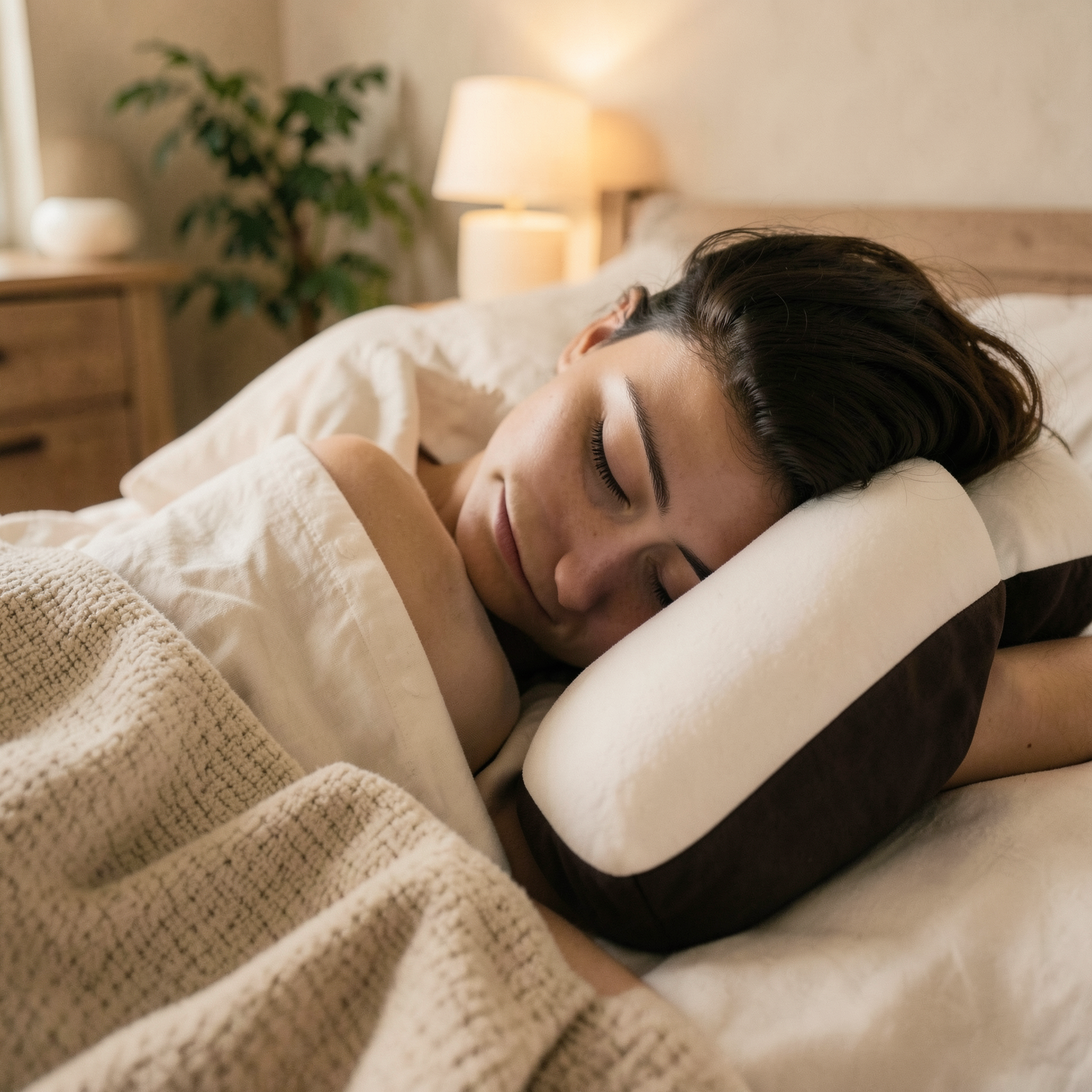
Your preferred sleeping position influences the type of sleep apnea pillow that will work best for you. Side sleepers benefit from thicker pillows that fill the space between the head and shoulder, maintaining spinal alignment. Back sleepers require thinner pillows that support the natural curvature of the neck without elevating the head too much. Stomach sleepers should avoid thick pillows, as they can strain the neck and obstruct the airway. Understanding your sleeping position helps narrow down the options and select the most appropriate pillow. Sleep positioning is key for comfort.
Considering Neck and Shoulder Support
Neck and shoulder support is essential for minimizing pain and discomfort associated with sleep apnea. A pillow that provides adequate support to the neck and shoulders reduces muscle tension and promotes proper alignment. Contoured pillows are specifically designed to cradle the neck and provide targeted support. Memory foam pillows conform to the contours of the neck and shoulders, distributing pressure evenly. Proper support reduces the risk of neck pain, stiffness, and headaches. Pillows for neck and shoulder pain are designed to alleviate these issues.
Evaluating Pillow Loft and Thickness
Pillow loft, or thickness, affects the alignment of the head, neck, and spine. The ideal loft depends on your sleeping position and body type. Side sleepers typically require a higher loft to fill the space between the head and shoulder. Back sleepers need a lower loft to maintain the natural curvature of the neck. Stomach sleepers should use a very low loft or no pillow at all. Proper loft prevents the head from tilting too far forward, backward, or to the side, reducing strain on the neck and airway. Adjustable pillows allow users to customize the loft to their specific needs.
Tips for Maximizing the Benefits of Your Sleep Apnea Pillow
Proper Pillow Placement and Usage
Proper pillow placement and usage are crucial for maximizing the benefits of a sleep apnea pillow. Position the pillow so that it supports the natural curvature of the neck and aligns the head and spine. Avoid stacking multiple pillows, as this can elevate the head too much and obstruct the airway. Follow the manufacturer’s instructions for proper usage and care. Experiment with different pillow positions to find the most comfortable and supportive arrangement. The correct placement ensures optimal airway alignment and reduces snoring.
Combining with Other Sleep Apnea Treatments
Combining a sleep apnea pillow with other treatments enhances overall effectiveness. CPAP therapy, oral appliances, and lifestyle modifications often complement the use of a sleep apnea pillow. CPAP therapy delivers continuous positive airway pressure, preventing airway collapse during sleep. Oral appliances reposition the jaw, opening the airway. Lifestyle modifications, such as weight loss and avoiding alcohol before bed, reduce the severity of sleep apnea. A comprehensive approach addresses multiple factors contributing to the condition. Combining treatments often leads to improved sleep quality and reduced symptoms.
Maintaining Good Sleep Hygiene Practices
Good sleep hygiene practices improve sleep quality and maximize the benefits of a sleep apnea pillow. Establish a consistent sleep schedule, going to bed and waking up at the same time each day. Create a relaxing bedtime routine, such as taking a warm bath or reading a book. Avoid caffeine and alcohol before bed. Ensure the bedroom is dark, quiet, and cool. Regular exercise and a healthy diet also promote better sleep. Consistent sleep hygiene enhances the effectiveness of the sleep apnea pillow. A dark room promotes melatonin production, aiding sleep.
The Science Behind Sleep Apnea Pillows
Ergonomic Design and Spinal Alignment
The ergonomic design of sleep apnea pillows supports spinal alignment, reducing pressure on the airway. These pillows are engineered to maintain the natural curvature of the neck and spine, preventing airway obstruction. Contoured designs cradle the head and neck, providing targeted support and pressure relief. Proper spinal alignment reduces muscle tension and promotes relaxation, improving sleep quality. Ergonomic pillows are often recommended by chiropractors and sleep specialists. Memory foam pillows support spinal alignment.
Pressure Relief and Comfort Technologies
Pressure relief and comfort technologies enhance the sleep experience for individuals with sleep apnea. Memory foam pillows distribute weight evenly, reducing pressure points and promoting circulation. Gel-infused pillows regulate temperature, preventing overheating and maintaining a comfortable sleep environment. Latex pillows offer a resilient support and are naturally hypoallergenic. These technologies improve comfort and reduce the risk of pain and discomfort. Cooling technologies provide a refreshing sleep experience. Cooling pillows regulate temperature.
Clinical Studies and Research Findings
Clinical studies and research findings support the effectiveness of sleep apnea pillows in reducing symptoms and improving sleep quality. A study published in the Journal of Clinical Sleep Medicine found that using a positional therapy pillow significantly reduced the frequency of apneas in individuals with mild to moderate OSA. Research indicates that ergonomic pillows improve spinal alignment and reduce neck pain. Further studies are needed to fully understand the long-term benefits of sleep apnea pillows. Evidence-based research supports the use of these pillows as part of a comprehensive sleep apnea management plan. The National Sleep Foundation provides resources on sleep apnea research.
Potential Drawbacks and Considerations
Adjustment Period and Discomfort
Some individuals may experience an adjustment period when first using a sleep apnea pillow. The change in pillow shape and firmness can cause initial discomfort. It may take several nights to adapt to the new pillow and find the most comfortable sleeping position. Gradual adjustment and patience are key to overcoming this initial discomfort. If discomfort persists, consider trying a different pillow type or consulting with a sleep specialist. Proper adjustment ensures long-term comfort and benefits.
Pillow Maintenance and Longevity
Proper pillow maintenance extends the lifespan of a sleep apnea pillow and ensures continued support and comfort. Follow the manufacturer’s instructions for cleaning and care. Regularly wash the pillowcase to remove dust mites and allergens. Spot clean the pillow as needed. Avoid exposing the pillow to direct sunlight or excessive moisture. Replace the pillow every one to two years to maintain optimal support and hygiene. Proper maintenance prevents the buildup of bacteria and allergens. A clean pillow promotes better sleep quality.
Cost Considerations and Budgeting
The cost of sleep apnea pillows varies depending on the material, design, and features. High-quality pillows with advanced technologies may be more expensive. However, investing in a good pillow improves sleep quality and reduces the risk of health complications. Consider the long-term benefits when budgeting for a sleep apnea pillow. Compare prices and read reviews to find the best value for your money. Affordable options are available without compromising quality. Investing in a good pillow is an investment in your health.
Frequently Asked Questions (FAQ)
What is the best sleeping position for sleep apnea?
The side sleeping position is generally considered the best for sleep apnea, as it helps keep the airway open. Back sleeping can cause the tongue and soft palate to collapse, obstructing the airway. Using a sleep apnea pillow in the side sleeping position maximizes its benefits.
How often should I replace my sleep apnea pillow?
Replace your sleep apnea pillow every one to two years to maintain optimal support and hygiene. Over time, pillows lose their shape and support, reducing their effectiveness. Regular replacement ensures continued comfort and benefits.
Can a sleep apnea pillow cure sleep apnea?
A sleep apnea pillow cannot cure sleep apnea, but it can help reduce symptoms and improve sleep quality. It is often used in conjunction with other treatments, such as CPAP therapy and lifestyle modifications. A comprehensive approach is essential for managing sleep apnea.
Are sleep apnea pillows suitable for everyone?
Sleep apnea pillows are not suitable for everyone. Individuals with severe sleep apnea may require more aggressive treatments, such as CPAP therapy. Consult with a sleep specialist to determine the best treatment plan for your specific needs.
Conclusion: Embracing Better Sleep with a Sleep Apnea Pillow
A sleep apnea pillow offers a simple yet effective solution for improving sleep quality and reducing the symptoms of sleep apnea. By providing proper support and maintaining airway alignment, these pillows promote restful sleep and reduce the risk of health complications. Selecting the right pillow involves considering your sleeping position, support needs, and personal preferences. Combining a sleep apnea pillow with other treatments and good sleep hygiene practices maximizes its benefits. Embrace better sleep and improved health with the right sleep apnea pillow. Comprehensive guides help you choose pillows.
Prioritize your sleep health and invest in a high-quality sleep apnea pillow. A well-chosen pillow enhances your overall well-being and ensures a restful night’s sleep. Consider exploring options like a bamboo pillow or down pillow for additional comfort and support. Your sleep is worth it!