
So, you’ve got a new mattress, or maybe you’re just tired of waking up with a stiff neck. Good pillows make a big difference, right? But then you look at the pillow aisle, and it’s like, what’s a standard, what’s a queen, and why are there so many sizes? It can get confusing fast. This pillow size guide is here to help you figure out what pillow size is actually going to work for your bed and, more importantly, for you. We’ll break down the common sizes, what they’re good for, and how to pick the right one.
Key Takeaways
- Standard pillows (20″x26″) are a good all-around choice for most beds and sleepers. Queen (20″x30″) and King (20″x36″) sizes offer more length for those who move around a lot or have larger beds.
- Your sleep position matters. Side sleepers usually need a thicker pillow (around 6 inches), back sleepers a medium one (4-5 inches), and stomach sleepers a thinner pillow (2-3 inches) to keep your spine straight.
- Match pillow size to your bed. A twin bed typically uses one standard pillow, while queen and full beds look good with two standards or queens. King beds are best suited for two king-sized pillows.
- Pillow material can affect how it feels and performs. Memory foam tends to hold its shape, down is soft and moldable, and polyester is often the most budget-friendly option.
- When to replace your pillow? If it doesn’t spring back when you fold it in half, it’s probably time for a new one. This usually happens every 1-2 years.
Understanding Standard Pillow Sizes
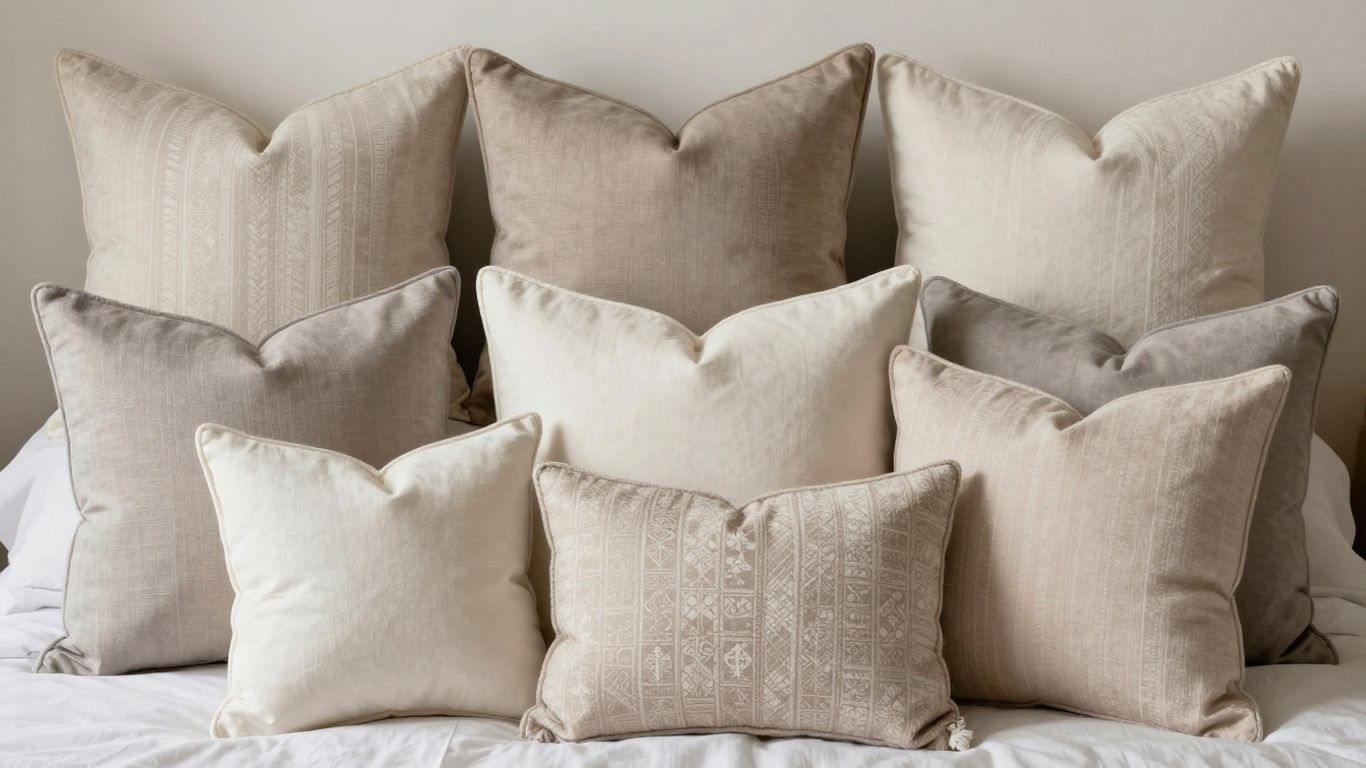
When you’re thinking about pillows, the ‘standard’ size is probably what first pops into your head. It’s the most common one you’ll see, and for good reason. It works for a lot of people and a lot of beds.
The Versatile Standard Pillow
The classic standard pillow measures in at about 20 inches by 26 inches. This size is a real workhorse in the bedding world. It’s a good fit for most individual sleepers, especially if you tend to stay put during the night. If you’re a back or side sleeper who doesn’t move around much, a standard pillow often provides just the right amount of support for your head and neck, helping to keep your spine in a neutral position. It’s also a budget-friendly choice, which is always a plus.
Super Standard: A Little Extra Length
Then there’s the ‘super standard’ pillow. Think of it as the standard’s slightly longer cousin, usually measuring around 20 inches by 28 inches. The width stays the same, but you get an extra couple of inches in length. This little bit of extra space can be helpful if you sometimes shift positions during sleep or just like having a bit more room to move your head around. Even though it’s a bit longer, it often still fits into a standard pillowcase, which is convenient.
Matching Pillowcases for Standard Sizes
Getting the right pillowcase is key to keeping your pillows protected and your bed looking neat. For standard pillows (20"x26"), you’ll typically want a pillowcase that’s about 20-21 inches wide and 30-32 inches long. This gives you a little wiggle room so you can get the pillow in without a struggle and it won’t look all bunched up. For those super standard pillows (20"x28"), a case that’s a bit longer, maybe 30-32 inches, will work best to accommodate that extra length.
Here’s a quick look at common pillow sizes:
| Pillow Size | Dimensions (Inches) | Best For |
|---|---|---|
| Standard | 20" x 26" | Most individual sleepers, back/side sleepers |
| Super Standard | 20" x 28" | Sleepers who move a bit, extra head room |
Choosing the right pillow size isn’t just about aesthetics; it directly impacts your sleep quality. The correct size and loft support your head and neck, promoting proper spinal alignment and helping to prevent aches and pains. Don’t underestimate the power of a well-fitting pillow.
When picking out pillowcases, always check the dimensions listed on the packaging. Sometimes, even within the ‘standard’ category, there can be slight variations between brands, so a quick measurement check can save you hassle later.
Exploring Larger Pillow Dimensions
Sometimes, a standard pillow just doesn’t cut it. Whether you’ve got a larger bed, a preference for more sleeping space, or you’re looking for extra support, bigger pillows can make a real difference. They’re not just for decoration; these larger sizes can genuinely improve your sleep experience and add a touch of luxury to your bedroom.
Queen Pillows for Enhanced Comfort
Queen-sized pillows are a step up from the standard, offering a bit more real estate for your head and neck. They measure around 20 x 30 inches, giving you that extra wiggle room that can be nice if you tend to move around a lot in your sleep. They fit perfectly on a queen-sized bed, often spanning most of the width, and they also work well as a pair on a king-sized bed if you prefer a slightly less sprawling look than full king pillows.
King Pillows for Active Sleepers and Large Beds
King pillows are the giants of the sleeping pillow world, typically measuring 20 x 36 inches. These are fantastic for king-sized beds, where they fit perfectly side-by-side, covering the entire width of the mattress. If you’re an active sleeper who tosses and turns, the extra length provides a generous buffer zone, so you’re less likely to find your head hanging off the edge in the middle of the night. They also offer more surface area for support, which can be great for propping yourself up to read or watch TV.
Body Pillows for Support and Alignment
Body pillows are in a league of their own, usually coming in at a lengthy 20 x 54 inches. These aren’t just for sleeping; they’re designed to support your entire body.
- For Side Sleepers: They can be placed between the knees to keep your hips, pelvis, and spine aligned, reducing pressure and discomfort.
- During Pregnancy: Many find them invaluable for finding a comfortable sleeping position and supporting a growing belly.
- General Support: They can also be used to lean against while sitting up in bed or to provide extra support for your back or legs.
The right body pillow can significantly improve sleep posture and alleviate aches and pains. They come in various fills, from soft down alternatives to firmer memory foam, so you can choose what feels best for you. When considering a body pillow, think about how you’ll use it most – for sleeping, lounging, or both – as this might influence the firmness and fill you choose.
Choosing the Right Pillow Size for Your Bed

So, you’ve picked out the perfect mattress, but now comes the next big decision: the pillows. It’s not just about comfort; the size of your pillows plays a huge role in how your bed looks and even how well you sleep. Think of it like dressing your bed – the right pillows tie everything together.
Pillow Placement on Twin and Full Beds
For a twin bed, a single standard pillow (typically 20×26 inches) is usually the sweet spot. It fills the width nicely without looking lost or hanging over the sides. Trying to cram two standard pillows on a twin will just look crowded, and a king-sized pillow will definitely spill over. If you like to prop yourself up to read, just stack your standard pillow against the headboard.
On a full-sized bed, two standard pillows fit just right, filling the width comfortably. You could also opt for one queen pillow (20×30 inches) for a cleaner, more minimalist look, though it might feel a little snug. Again, king-sized pillows are generally too wide for these bed sizes and will hang off the edges.
Styling Pillows on Queen and King Beds
Queen beds offer a bit more flexibility. Two queen pillows are the ideal match, creating a balanced and inviting look. You can also use two standard pillows, but you’ll notice a bit of empty space on either side. Anything more than two pillows can start to look a bit cluttered on a queen.
King beds, on the other hand, are made for bigger pillows. Two king-sized pillows (20×36 inches) will perfectly span the width of the mattress. Alternatively, you can use three standard pillows for a more casual vibe, but just two standards will look quite small and lost on such a large bed. The goal is proportionality – making sure your pillows complement, not overwhelm, your mattress.
Considering Mattress Size for Pillow Display
When you’re thinking about pillow size, always keep your mattress dimensions in mind. A pillow that looks great on a king bed might drown a twin. It’s about creating a visually pleasing arrangement. Think about the overall aesthetic you’re going for: do you want a plush, layered look or something more streamlined? The number and size of pillows you choose will significantly impact this. For instance, layering soft king size pillows can add a luxurious feel to a larger bed, while keeping it simple with standards works well for smaller frames.
The right pillow size isn’t just about aesthetics; it’s about function too. A pillow that’s too big or too small for your sleeping habits can lead to discomfort and poor sleep posture. Always consider how you sleep – do you need extra support, or do you prefer something softer? Matching your pillow size to your bed size is the first step, but your personal comfort should always be the top priority.
Here’s a quick rundown:
- Twin Bed: 1 Standard Pillow
- Full Bed: 2 Standard Pillows or 1 Queen Pillow
- Queen Bed: 2 Queen Pillows or 2 Standard Pillows
- King Bed: 2 King Pillows or 3 Standard Pillows
Pillow Size Guide Based on Sleep Position
So, you’ve got your mattress, and now it’s time to talk pillows. It might seem like a small detail, but the right pillow can seriously change how you sleep. It’s not just about comfort; it’s about keeping your spine happy. Your sleeping position is a big clue for picking the right size and loft.
Side Sleepers and Pillow Loft
If you tend to sleep on your side, you need a pillow that fills the gap between your head and shoulder. This keeps your neck and spine in a nice, straight line. Too flat a pillow, and your head will droop, leading to aches. You’ll generally want a thicker pillow, often called a high-loft pillow. Think about a pillow that’s at least 6 inches thick when you lie on it. Materials like firm foam or densely packed down work well here because they won’t compress too much under your head.
Back Sleepers and Pillow Support
For those who sleep on their backs, the goal is to support the natural curve of your neck without pushing your head too far forward. A medium-loft pillow is usually the sweet spot. It should be thick enough to keep your head elevated but not so much that it strains your neck. A pillow that’s around 4 to 5 inches thick when compressed is often ideal. Look for pillows that offer good support, like those made from memory foam or a supportive down alternative. This helps maintain proper spinal alignment.
Stomach Sleepers and Pillow Thickness
Sleeping on your stomach is often the trickiest for neck health. If you’re a dedicated stomach sleeper, you need a very thin, soft pillow, or sometimes no pillow at all. A thick pillow will force your head to turn at an awkward angle all night, which is a recipe for neck pain. Aim for a pillow that’s only about 2 to 3 inches thick. These are often made with softer fills that compress easily. Some people find that a folded blanket or a very flat pillow works best for them.
Choosing the right pillow based on your sleep position isn’t just about comfort; it’s about preventing pain and promoting good posture even while you’re catching Zs. It’s worth taking a moment to figure out how you sleep most of the night.
Beyond the Basics: Decorative Pillow Options
The Role of Euro Pillows
Euro pillows, typically square and larger than standard sleeping pillows (often 26×26 inches), aren’t usually for sleeping. Think of them as the foundation for your decorative pillow arrangement. They add height and a plush look against the headboard, making your bed seem more inviting and luxurious. They work best on queen and king-sized beds, creating a substantial backdrop. On smaller beds, they can sometimes look a bit overwhelming, so keep that in mind.
Incorporating Throw Pillows for Aesthetics
Throw pillows are where you really get to play with color, pattern, and texture. They come in all sorts of sizes, from small squares (like 20×20 inches) to longer rectangles (16×26 inches). The trick here is to coordinate them with your room’s existing colors or patterns. Don’t go overboard with too many clashing designs; pick a couple of colors from your duvet or curtains and let those guide your throw pillow choices. A good rule of thumb is to pick one patterned pillow and then a couple of solid ones that pick up on colors within that pattern.
Layering Pillows for a Designer Look
Layering is what takes your bed from just ‘made’ to ‘professionally styled.’ It’s all about building depth. Start with your sleeping pillows at the very back, against the headboard. Then, place your Euro pillows in front of those. Next, arrange your throw pillows in front of the Euros. You can vary the sizes and shapes here – maybe a couple of larger square throws in the back, followed by a smaller rectangular one in the very front. This creates a visually appealing arrangement that draws the eye.
Making your bed look like a magazine spread doesn’t have to be complicated. It’s mostly about arranging what you already have in a thoughtful way. Start with the biggest items and work your way down to the smallest, creating a sense of order and comfort.
Key Considerations for Your Pillow Choice
Material Impact on Pillow Feel
The stuff inside your pillow makes a big difference in how it feels and how well it supports you. Think about what you like: do you want something that feels soft and moldable, or firm and supportive? Natural fills like down or feather offer a plush, adaptable feel, great for those who like to shape their pillow. On the other hand, memory foam or latex provide more consistent support and can be a good choice if you need help keeping your head and neck aligned. Synthetic fills, like polyester, are often a good middle ground – they’re usually washable and more budget-friendly, though they might not last as long as other materials. Ultimately, the material should match your personal comfort preferences and any specific support needs you have.
When to Replace Your Pillow
Pillows don’t last forever, and using an old, worn-out pillow can mess with your sleep and even cause neck pain. A good rule of thumb is to replace your pillow every one to two years. You can also do a simple "fold test": fold the pillow in half. If it stays folded or doesn’t spring back quickly, it’s probably time for a new one. Other signs include persistent lumps, flat spots, or if you wake up with aches and pains that you didn’t used to get. If your pillow starts holding onto odors that just won’t wash out, that’s another clear indicator it’s seen better days.
Pillow Protectors and Their Fit
Don’t forget about pillow protectors! These are like a shield for your pillow, keeping out moisture, oils, and allergens like dust mites. Using a protector can significantly extend the life of your pillow and help keep it cleaner. When choosing a protector, make sure it fits snugly over your pillow without being too tight, which could change the pillow’s feel. Most protectors add only a small amount of thickness, so they shouldn’t really affect your comfort. They’re usually washable, making it easy to keep your sleep environment fresh. Washing your pillowcases weekly and the protectors monthly is a good habit to get into for better hygiene.
So, What’s the Verdict?
Alright, so picking the right pillow size might seem like a small detail, but it really does make a difference for how you sleep and how your bed looks. Whether you’re a side sleeper who needs a bit more cushion, or someone who just likes to sprawl out, there’s a size out there for you. Remember to think about your bed size, how you sleep, and even what kind of vibe you’re going for in your room. Don’t forget about pillowcases and protectors too – they’re important for keeping things comfy and clean. Now go forth and find that perfect pillow!
Frequently Asked Questions
What’s the most common pillow size?
The standard pillow, usually 20 by 26 inches, is the most common. It works well for most people and fits on almost any bed size. It’s a great all-around choice if you’re not sure where to start.
How do I pick a pillow for my sleeping style?
If you sleep on your side, you’ll want a thicker pillow (about 6 inches) to keep your head and neck in line. Back sleepers do best with a medium-thickness pillow (4-5 inches). Stomach sleepers should use a thin pillow (2-3 inches) to avoid straining their neck.
Can I use different pillow sizes on my bed?
Absolutely! You can mix and match pillow sizes to make your bed look stylish. For example, you might use larger pillows like Euro pillows or king-sized pillows as a base and then add smaller decorative pillows in front.
When should I get new pillows?
A good rule of thumb is to replace your pillows every 1 to 2 years. You can also test your pillow by folding it in half. If it doesn’t spring back to its original shape, it’s probably time for a new one.
What’s the difference between Queen and King pillows?
Queen pillows are a bit longer than standard pillows, measuring about 20 by 30 inches, which is great for restless sleepers. King pillows are even longer, typically 20 by 36 inches, and are perfect for large beds or for people who move around a lot in their sleep.
Do pillow protectors change how a pillow fits?
Good quality pillow protectors are usually thin and don’t add much bulk, so they shouldn’t really change how your pillow fits in its case or affect your comfort. They mainly help keep your pillow clean.