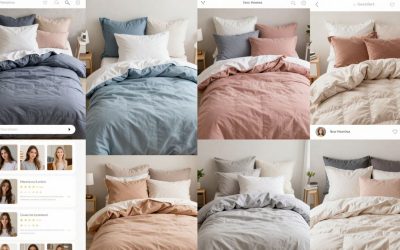
Thinking about sprucing up your living space? Pillow covers & cases are a super simple way to change up the look of any room without a lot of fuss or expense. Seriously, it’s like a mini-makeover for your couch or bed! Whether you want to add a pop of color, try out a new pattern, or just make things feel cozier, swapping out your pillow covers is a fantastic starting point. This guide is all about helping you pick the best pillow covers & cases to make your home feel fresh and stylish.
Key Takeaways
- Pillow covers & cases are an easy, budget-friendly way to update your decor and transition between seasons.
- Choosing the right fabric for your pillow covers & cases involves balancing style, comfort, and how easy they are to clean.
- Mixing and matching colors, patterns, and textures of pillow covers & cases can create a visually interesting and personalized look.
- Consider the function and style of each room when selecting pillow covers & cases, from living rooms to bedrooms and even outdoor spaces.
- To achieve a full and inviting look, use pillow inserts that are one size larger than your pillow covers & cases.
Understanding Pillow Covers & Cases
The Versatility of Pillow Covers
Pillow covers are seriously one of the easiest ways to change up the look of a room without a huge commitment. Think about it: you can keep your favorite pillow inserts – the ones that are just the right amount of squishy – and just swap out the covers. It’s like giving your old pillows a whole new wardrobe! This is super handy for seasonal decorating. Want to go from cozy winter vibes to bright spring colors? Just change the covers. It’s also a great way to keep your pillows clean and protected. Plus, you can find covers in just about any fabric, color, or pattern imaginable, so the possibilities for styling are pretty much endless. You can really make your space feel like you.
Economical and Eco-Friendly Choice
Buying new throw pillows all the time can get expensive, right? And honestly, where do all those old pillows end up? Pillow covers offer a much smarter solution. Instead of tossing out perfectly good pillow inserts, you just buy a new cover. This saves you money and also cuts down on waste. It’s a win-win for your wallet and the planet. Think of it as a more sustainable way to refresh your decor. You can find a huge variety of covers, from budget-friendly options to more high-end designer looks, so you can definitely find something that fits your style and your budget. It’s a smart way to keep your home looking fresh without breaking the bank or contributing to landfill.
Durability and Easy Maintenance
One of the best things about pillow covers is how easy they are to care for. Most are designed to be machine washable, which is a lifesaver, especially if you have kids or pets. Spills and dirt happen, but with a removable cover, you can just toss it in the wash and it’s good as new. This makes them super practical for everyday use. Unlike a whole pillow that might be harder to clean, a cover is usually straightforward. Many are made from durable fabrics that hold up well to regular use and washing, so you don’t have to worry about them falling apart after a few cycles. It means you can actually use your decorative pillows without stressing too much about keeping them pristine.
Here’s a quick look at common fabrics and their care:
| Fabric Type | Durability | Washability | Best For |
|---|---|---|---|
| Cotton Twill | High | Machine Washable | Everyday use, family-friendly |
| Velvet | Medium | Spot Clean/Gentle | Cozy, luxurious feel, less active areas |
| Outdoor Polyester | Very High | Hose Down/Wash | Patios, sunrooms, high-traffic areas |
Keeping your pillow covers clean is simple. Most can be tossed in the washing machine with cold water and then air-dried. This makes them a practical choice for any home, no matter how busy.
When you’re looking for new covers, checking the care instructions is always a good idea. Some might need a little extra TLC, but generally, they’re much easier to maintain than you might think. This ease of care is a big reason why pillow covers are such a popular choice for home decorators.
Choosing the Right Fabric for Pillow Covers
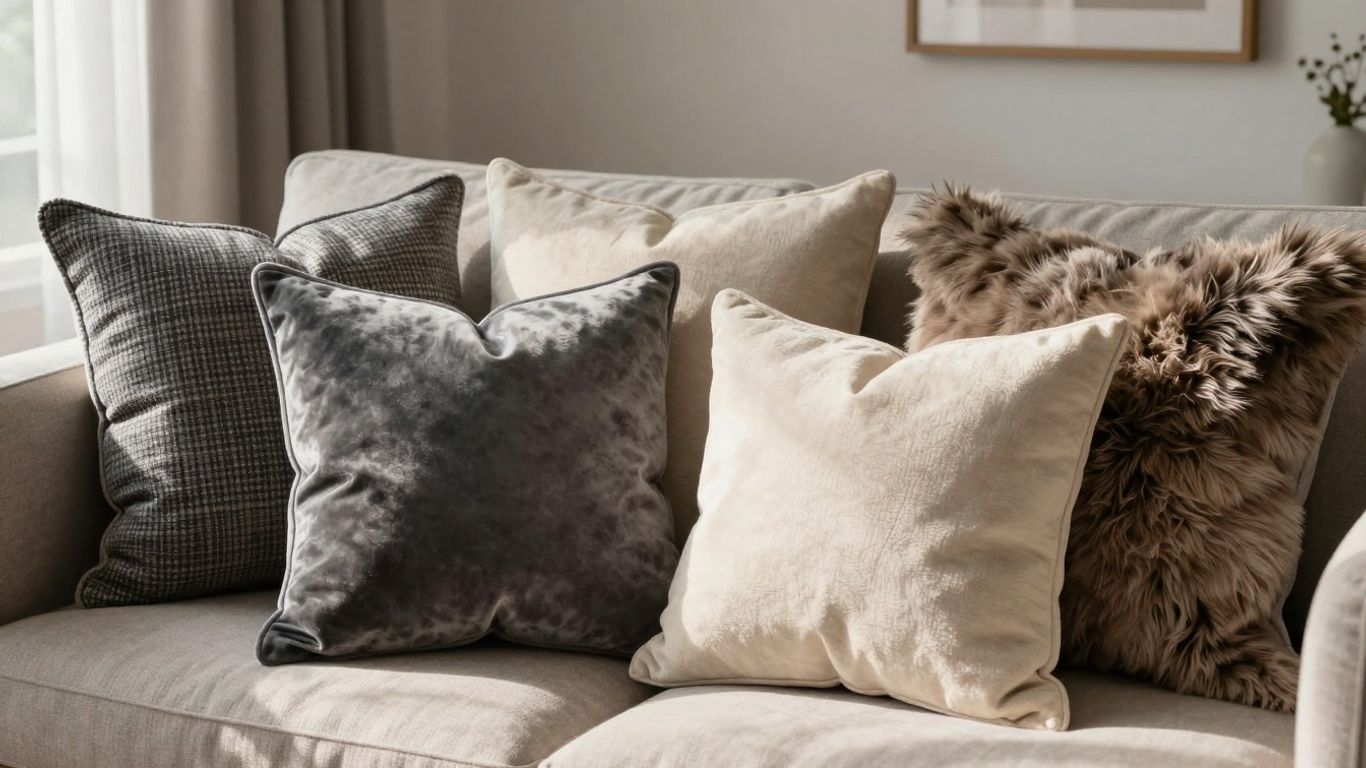
So, you’ve decided to jazz up your space with some new pillow covers. Awesome! But before you get lost in a sea of colors and patterns, let’s talk about the actual stuff they’re made of. The fabric you pick isn’t just about looks; it totally changes how the pillow feels, how it holds up, and how much work it’ll be to keep clean. It’s a bigger deal than you might think.
Balancing Style, Comfort, and Function
When you’re picking out fabric, think about what you actually do with your pillows. Are they just for show on a fancy sofa, or are they going to be your movie-night buddies, your reading companions, or even a place to rest your head for a quick nap? This is where the balancing act comes in.
- For pure decoration: You can go a bit more delicate. Think rich velvets that add a touch of luxury, or maybe some textured weaves that catch the light. These might not be the best for heavy use, but they look amazing.
- For everyday lounging: You’ll want something that feels good against your skin and can handle a bit of squishing. Soft cottons, breathable linens, or even some cozy chenilles are great choices here. They feel nice and are usually pretty forgiving.
- For high-traffic areas (or homes with pets/kids): Durability and ease of cleaning are your best friends. We’ll get into specific materials next, but basically, you’re looking for fabrics that can take a beating and come out clean without a fuss.
Picking the right fabric means thinking about how you’ll use the pillow day-to-day. It’s not just about the initial look, but about how it fits into your life and your home.
Durable and Washable Materials
Let’s be real, life happens. Spills, crumbs, maybe a pet decides your pillow is their new favorite toy. That’s why choosing fabrics that can handle a wash cycle is a smart move for most people. You want to be able to toss a cover in the washing machine and have it come out looking good as new, without shrinking or losing its shape.
Here are some go-to fabrics that are known for being tough and easy to clean:
- Cotton Blends: These are often a fantastic middle ground. They offer the softness of cotton but with added durability from synthetic fibers. Many cotton blends are machine washable and resist wrinkles pretty well.
- Linen: While pure linen can sometimes wrinkle, it’s incredibly strong and breathable. It actually gets softer with every wash. Look for linen blends if you want some of the durability without quite as much wrinkling.
- Polyester: This is a workhorse fabric. It’s super durable, resists stains, and dries quickly. Many decorative pillows use polyester or polyester blends because they’re low-maintenance and hold their color well.
- Canvas: Think of the material used for tote bags or tents. It’s tough, tightly woven, and can usually be spot-cleaned or even machine washed depending on the specific type. Great for a more casual or rustic look.
Luxurious Textures for Every Season
Sometimes, you just want to feel a little fancy, right? Fabric choice is key to creating that vibe. Different textures can completely change the feel of a room, and you can even switch them up with the seasons.
- Velvet: Nothing screams luxury quite like velvet. It has a deep pile that feels amazing to touch and adds a rich, sophisticated look. It’s perfect for cooler months when you want to add warmth and depth to your decor. Just be mindful that some velvets might require special cleaning.
- Silk (or Silk Alternatives): For a truly elegant and smooth feel, silk is the ultimate. It has a beautiful sheen and feels incredibly soft against the skin. It’s often recommended for its benefits for hair and skin, reducing friction. If pure silk feels a bit too high-maintenance or pricey, look for high-quality satin or fabrics made from bamboo or Tencel, which mimic that smooth, cool feel.
- Chenille: This fabric has a soft, fuzzy texture that’s super cozy. It’s great for adding a touch of comfort and warmth, making it a popular choice for living rooms and bedrooms, especially during fall and winter.
- Textured Weaves (like Jacquard or Brocade): These fabrics often have intricate patterns woven directly into them, creating a raised texture. They add visual interest and a touch of old-world charm or modern sophistication, depending on the pattern. They can feel substantial and add a nice weight to your pillows.
Mastering the Art of Pillow Styling
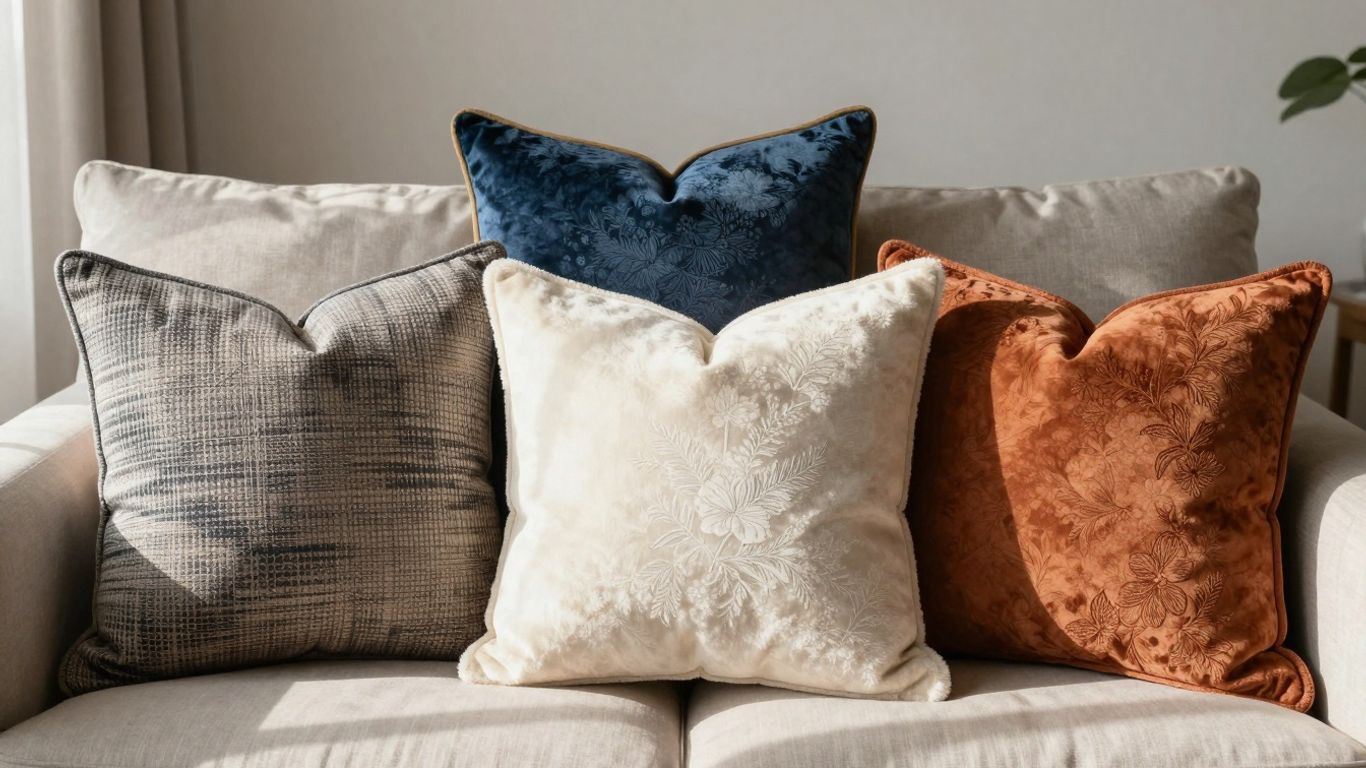
So, you’ve got your pillow covers, but how do you make them look like they belong in a magazine? It’s all about putting them together in a way that feels intentional and stylish. Think of it like creating a little vignette on your sofa or bed. It’s not just about throwing pillows around; there’s a bit of an art to it, and honestly, it’s one of my favorite parts of decorating.
Mixing Colors and Patterns Effectively
This is where things can get really fun, but also a little tricky. The goal is to create visual interest without making your space look chaotic. A good starting point is to pick a color palette. You don’t need a million colors; just two or three that work well together is usually enough. Then, you can play with different shades within those colors.
When it comes to patterns, don’t be shy, but don’t go overboard either. A good rule of thumb is to use about two to three different patterns in one area. Try to make sure at least one or two of the colors from your chosen palette show up in those patterns. It helps tie everything together. Also, mixing up the scale of the patterns is key. Think big, bold prints paired with smaller, more subtle ones. Usually, the larger patterns go towards the back or on the sides, and the smaller, tighter patterns come forward.
The Impact of Texture on Design
Texture is like the secret sauce for making pillows feel extra special. Even if you’re using solid colors, adding different textures can give your arrangement so much depth. It can make a room feel cozy and warm, or light and airy, depending on the materials you choose. For spring and summer, I love using lighter textures like linen or cotton. When fall and winter roll around, I switch to heavier textures like chunky knits, velvet, or even some faux leather.
Sometimes, texture is even built right into the pattern, like with embroidery or raised weaves. It’s a subtle way to add interest without needing a busy print.
Adding Whimsy with Decorative Details
Finally, don’t forget the little details! These are the things that can really make your pillow styling pop. Think about things like tassels, pom-poms, or even fun scalloped edges for a playful vibe. If you prefer something a bit more refined, consider pillows with elegant borders or delicate fringe. These small touches can really change the whole feel of a pillow and, by extension, your room. It’s all about having fun and choosing details that speak to your personal style.
Here’s a quick guide to layering pillows on a sofa:
- Foundation: Start with larger pillows, usually around 22-24 inches. These set the base.
- Middle Layer: Add a slightly smaller pillow in front of the foundation pillows, maybe 20-22 inches.
- Accent: Finish with a lumbar pillow (around 16×20 or 12×21 inches) placed at the very front. This creates a nice visual triangle.
Selecting Pillow Covers for Different Rooms
Every room in your house has its own vibe and purpose, right? So, it makes sense that the pillows you choose should fit that. It’s not just about making things look pretty; it’s about making each space feel just right for what you do there. Think about it – the living room is usually where everyone hangs out, so you want comfort and style that can handle a bit of action. Bedrooms, on the other hand, are more personal, a place to chill and recharge. Getting the pillow covers to match the room’s job is key.
Elevating Living Room Comfort and Style
The living room is prime real estate for pillow play. Since it’s often the most used room, you’ll want covers that look good but can also take a bit of a beating. Durability is definitely a factor here. You can mix and match colors and patterns to really make your sofa pop. For instance, if you have a neutral couch, go for some pillows with bold geometric prints or vibrant colors. If your sofa is already a statement piece, maybe stick to more subtle textures or patterns. Size also plays a big role in how a pillow arrangement looks. Using larger pillows, maybe 20×20 or 24×24 inches, as a base and then layering smaller ones in front creates a nice depth. Don’t forget texture! Velvet, faux fur, or even chunky knits can add a cozy feel, especially when the weather turns cooler. For a wide selection of options to get you started, check out popular retailers like West Elm.
Creating a Serene Bedroom Retreat
Bedrooms are your personal sanctuary, so the pillows should reflect that. Here, it’s all about creating a calm and inviting atmosphere. Think softer colors, maybe some muted tones or pastels, and fabrics that feel really nice to the touch. Linen or cotton covers are great because they feel breathable and comfortable. You can still play with texture, but maybe lean towards things like subtle embroidery or a gentle weave rather than anything too flashy. The goal is to make your bed look like a cozy haven you can’t wait to sink into after a long day. Consider how the pillows will feel when you’re lounging or reading in bed – comfort is king here.
Adding Personality to Home Offices
Even your home office can benefit from a few well-chosen pillows! They can make a workspace feel less sterile and more like a part of your home. If you have a desk chair that could use a little extra padding or just want to add a splash of color to the room, pillows are a great solution. You might want to choose covers that are easy to clean, especially if you tend to snack while you work. A simple pattern or a solid color in a durable fabric can add just the right amount of personality without being distracting. It’s a small detail that can make your office feel more comfortable and inspiring.
Pillow Covers for Specific Spaces
Sometimes, you just want to add a little something extra to those often-overlooked spots in your home. Pillow covers are perfect for this! They can make a big difference in how a space feels, even if it’s just a small corner.
Enhancing Dining Nooks and Kitchens
Kitchens and dining nooks can feel a bit utilitarian, right? Adding a couple of pillows to a banquette or a bench can totally change that. It makes the space feel way more welcoming, like an actual part of your living area.
- Fabric Choice is Key: Since kitchens can get messy, go for fabrics that are easy to clean. Think cotton, linen, or even those performance fabrics that can handle spills. You want something that wipes down easily or can go in the wash without a fuss.
- Don’t Overdo It: A banquette doesn’t need a mountain of pillows. One or two well-placed pillows on each seat is usually enough. Mixing a stripe with a solid, or a subtle pattern, keeps it interesting without looking cluttered.
- Seasonal Swaps: Just like your living room, you can switch out pillow covers to match the season. Lighter, brighter covers for summer, and maybe something a bit cozier for fall and winter.
Styling Outdoor Living Areas
Your patio or deck deserves some love too! Pillow covers are a fantastic way to make your outdoor space feel as comfortable and stylish as your indoor rooms. The trick is to find covers that can handle the elements.
- Weather-Proof Materials: Look for fabrics specifically made for outdoor use. These are usually treated to resist fading from the sun, mildew from dampness, and general wear and tear. Brands like Sunbrella are popular for a reason.
- Go Bold: Outdoor spaces are a great place to experiment with brighter colors and louder patterns. Think vibrant florals, geometric designs, or bold stripes. They add a lot of personality and energy.
- Mix and Match Sizes: Combine different shapes and sizes. A couple of larger square pillows with a long lumbar pillow can create a really inviting setup.
Kid-Friendly Pillow Decor Considerations
When it comes to kids’ rooms or play areas, pillows need to be tough. They’re going to get jumped on, maybe even used as makeshift weapons (you know how it is). So, durability and ease of cleaning are super important here.
- Soft but Sturdy: Choose fabrics that are soft to the touch but can withstand a lot of use. Cotton blends or even some of the outdoor fabrics can work well because they’re tough and washable.
- Washable is Non-Negotiable: Kids mean messes. Make sure the covers are easily removable and machine washable. You’ll thank yourself later.
- Fun Designs: Let the kids have a say! Whether it’s playful prints, bright colors, or even personalized covers, letting them pick can make their space feel more their own. Just keep an eye on any small, easily detachable decorative bits that could be a choking hazard for very young children.
Achieving a Full and Plump Pillow Look
So, you’ve picked out the perfect pillow covers – great job! But sometimes, even the prettiest cover can look a little sad and flat if it’s not filled right. It’s like having a fancy outfit but wearing it with wrinkled clothes; it just doesn’t have that ‘wow’ factor. Getting that full, inviting pillow look isn’t some big secret only designers know. It’s actually pretty straightforward once you know a couple of tricks.
The Importance of Quality Inserts
First things first, let’s talk about what’s inside your pillow cover. The insert, or pillow form, is the backbone of your decorative pillow. Cheap, lumpy inserts made from low-quality synthetic fill just won’t cut it if you’re aiming for that plush, comfortable look. They tend to flatten out quickly and can develop hard spots, making your beautiful pillow feel less than inviting. Think of it like building a house – you need a solid foundation. For pillows, that means opting for inserts made from good materials. Down, feather, or high-quality down alternatives are usually the way to go. These materials are moldable, meaning you can really shape them, and they tend to hold their loft much better over time. They also give that satisfying ‘karate chop’ effect that stylists love.
Sizing Up for a Fuller Appearance
This is a game-changer, seriously. A common mistake people make is using an insert that’s the exact same size as their pillow cover. While this might seem logical, it often results in a pillow that looks a bit deflated, especially in the corners. The secret to a truly plump pillow is to use an insert that is one size larger than your pillow cover. So, if you have a 20×20 inch pillow cover, you’ll want to get a 22×22 inch insert. This extra bit of fill pushes out against the fabric, creating a smooth, taut surface and eliminating those droopy corners. It makes the pillow look more substantial and luxurious, no matter the cover.
Here’s a quick guide to common pillow cover sizes and the recommended insert size for that full look:
| Pillow Cover Size | Recommended Insert Size |
|---|---|
| 16" x 16" | 18" x 18" |
| 18" x 18" | 20" x 20" |
| 20" x 20" | 22" x 22" |
| 12" x 20" (Lumbar) | 14" x 22" |
| 14" x 24" (Lumbar) | 16" x 26" |
Designer Secrets for Picture-Perfect Pillows
Beyond the insert and sizing, there are a few more little things that make a big difference. It’s all about the finishing touches that make your pillows look like they just stepped out of a magazine spread.
- The Fluff and Fold: Once your larger insert is in the cover, don’t just toss it on the sofa. Take a moment to really work the insert into the corners of the cover. Then, give the pillow a good shake and a gentle ‘karate chop’ to create that signature designer indent. This gives it shape and character.
- Strategic Placement: Think about how you arrange your pillows. Larger pillows usually go in the back, with smaller ones layered in front. This creates visual depth and makes the arrangement look intentional and balanced.
- Texture Play: Mixing textures, as we’ve talked about, also contributes to the overall look. A plush velvet pillow next to a linen one can make both look even more appealing because of the contrast.
Getting that perfect pillow look is really about paying attention to the details. It’s not just about the cover; it’s about the fill, the size, and how you put it all together. A little extra effort goes a long way in making your sofa or bed look inviting and stylish. Don’t underestimate the power of a well-stuffed pillow!
Final Thoughts
So there you have it! Choosing pillow covers might seem like a small detail, but it really can make a big difference in how your home looks and feels. Whether you’re going for a whole new vibe or just want to add a little something extra, swapping out pillow covers is a super easy way to do it. Don’t be afraid to play around with different colors, textures, and patterns until you find what you love. It’s your space, after all, so have fun making it uniquely yours!
Frequently Asked Questions
What are pillow covers and why are they a good idea?
Pillow covers are like slipcovers for your pillows! They let you change the look of your room super easily without buying new pillows. It’s a great way to update your style, switch for the seasons, or just give your old pillows a new look. Plus, they’re easier to clean and store than whole pillows.
How do I pick the best fabric for my pillow covers?
Think about what you’ll use the pillow for. For everyday use and easy cleaning, cotton or polyester are good choices because they’re tough and can be washed. If you want something fancy, velvet or silk feel luxurious. For outdoor pillows, choose materials that can handle sun and rain, like special outdoor fabrics.
How can I mix and match pillow covers to make them look good?
It’s all about balance! Try mixing different textures, like a smooth velvet with a rough knit. Mix patterns too, but stick to a few colors that go well together. Use a big pattern, a smaller pattern, and a solid color. Placing larger pillows in the back and smaller ones in front also creates a nice look.
Should I use different pillow covers in different rooms?
Yes! In the living room, you might want durable and stylish pillows that can handle lots of use. For the bedroom, softer, calming colors and textures create a relaxing feel. In a kitchen or dining area, pick fabrics that are easy to wipe clean. Outdoor spaces need pillows made to withstand the weather.
How do I make my pillows look full and not flat?
A great trick is to use a pillow insert that’s one size bigger than your pillow cover. For example, use a 20×20 inch insert for a 18×18 inch cover. This makes the pillow look plump and keeps the corners from sagging. Also, fluff your pillows often!
Are pillow covers good for homes with kids or pets?
Definitely! Pillow covers are super practical for families. They’re usually easy to take off and wash, which is perfect for spills and messes. Just make sure to avoid covers with small, dangly bits that could be a choking hazard for little ones.