Introduction to Memory Foam Pillows
Memory foam pillows represent a significant advancement in sleep technology. These specialized pillows utilize viscoelastic foam, a material engineered for pressure sensitivity and conforming support. Memory foam’s unique properties allow it to evenly distribute weight, reduce pressure points, and promote proper spinal alignment during sleep. This introduction will explore the science behind memory foam, its benefits for various sleep styles and conditions, and provide guidance on selecting the ideal memory foam pillow for individual needs.
The core function of memory foam pillows is to enhance sleep quality. Memory foam integrates with the body’s natural contours. This integration minimizes strain on the neck and shoulders. The result is reduced tossing and turning, leading to deeper and more restorative sleep cycles. Individuals experiencing neck pain, back pain, or insomnia often find significant relief and improved sleep quality with the use of memory foam pillows.
How Memory Foam Pillows Improve Sleep Quality
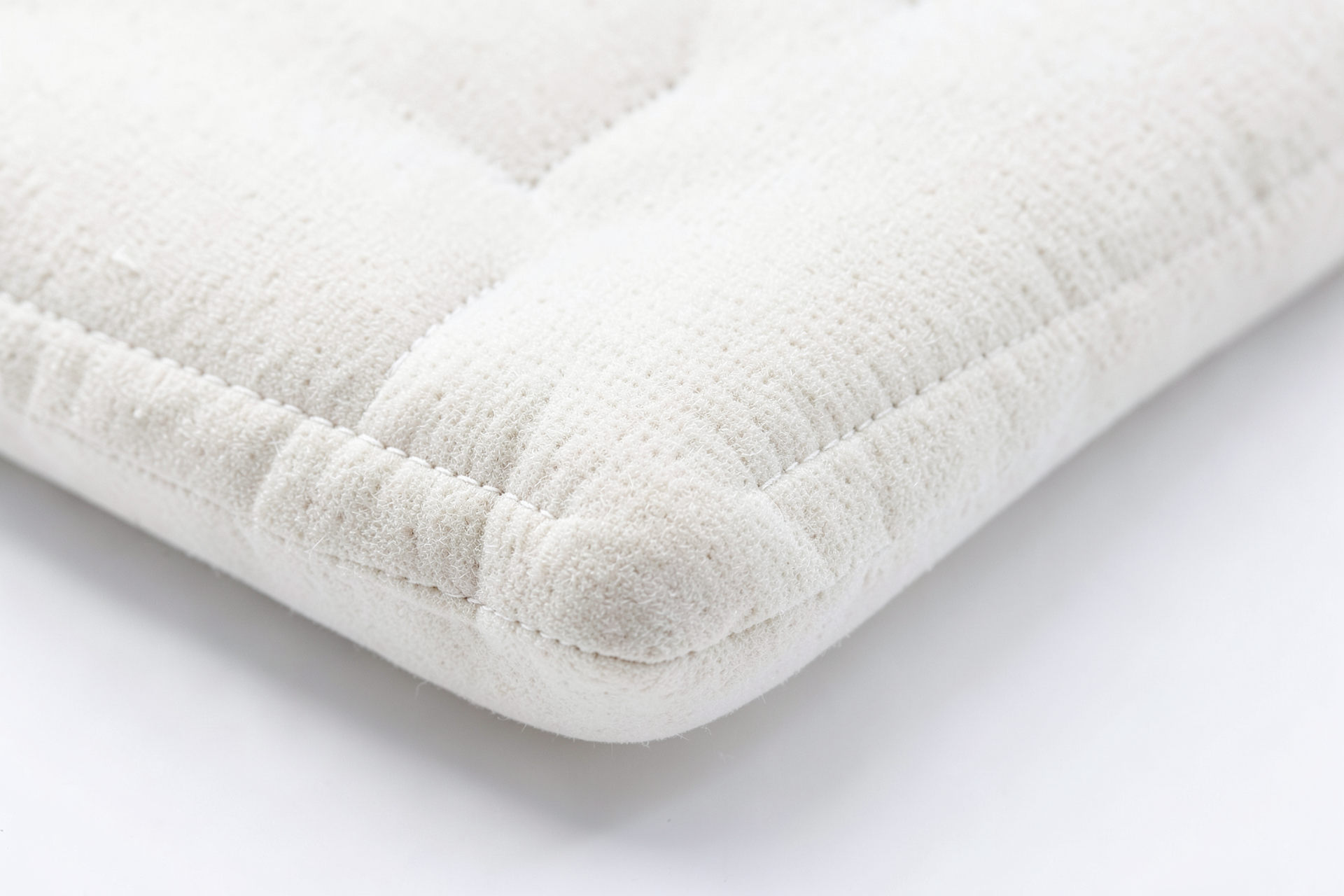
Memory foam pillows improve sleep quality through several key mechanisms. The primary mechanism involves contouring to the shape of the head and neck. This contouring provides customized support. Customized support minimizes pressure points. Reduced pressure points lead to reduced discomfort and pain, particularly in the cervical spine. This is especially beneficial for individuals with arthritis or other neck and back conditions. Memory foam pillows offer targeted support; this surpasses standard pillow designs.
Memory foam also offers hypoallergenic properties. Memory foam resists dust mites and other allergens. Resistance to allergens makes it a suitable choice for allergy sufferers. Additionally, memory foam’s density inhibits the growth of mold and mildew. This contributes to a healthier sleep environment. The breathability of certain memory foam types further enhances sleep quality. Breathable memory foam allows for better air circulation and temperature regulation. Temperature regulation prevents overheating and promotes comfortable sleep throughout the night.
The Role of Spinal Alignment
Spinal alignment plays a crucial role in achieving restful sleep. Memory foam pillows enable optimal spinal alignment. Proper alignment reduces strain on the neck and back muscles. Reduced strain minimizes pain and stiffness upon waking. A study published in the Journal of Manipulative and Physiological Therapeutics indicates that proper cervical support significantly reduces neck pain intensity.
- Side Sleepers: Side sleepers benefit from a thicker memory foam pillow. A thicker pillow fills the space between the head and shoulder. Filling this space maintains spinal alignment.
- Back Sleepers: Back sleepers require a thinner pillow. A thinner pillow supports the natural curvature of the neck.
- Stomach Sleepers: Stomach sleepers should use a very thin or no pillow. Using a thin pillow prevents excessive strain on the neck.
Benefits of Memory Foam Pillows for Pain Relief
Memory foam pillows offer substantial benefits for individuals experiencing neck and back pain. The conforming nature of memory foam distributes weight evenly. Even weight distribution reduces pressure on sensitive areas. Reduced pressure alleviates pain and discomfort. This is particularly beneficial for those with chronic pain conditions. Memory foam pillows provide targeted pain relief; this is a significant advantage.
Memory foam pillows also improve blood circulation. Improved blood circulation reduces inflammation. Reduced inflammation promotes faster healing. The support provided by memory foam minimizes muscle tension. Minimized muscle tension further reduces pain. This creates a more relaxed and comfortable sleep environment. Memory foam pillows alleviate pain by reducing nerve compression.
Addressing Specific Pain Points
Memory foam pillows target specific pain points. These points include the neck, shoulders, and upper back. A contoured memory foam pillow supports the natural curve of the neck. Supporting the neck reduces strain. A cervical pillow integrates with the neck to relieve pain. The Neck Pain No More: Pillows for Neck Pain Relief post offers additional insights into pillows designed for cervical support.
Memory foam pillows offer pain relief. Pain relief improves sleep quality. Improved sleep quality reduces pain sensitivity. The Pillows for Neck and Shoulder Pain: Easing Tension and Stress post explores how specific pillow designs target shoulder pain.
Types of Memory Foam Pillows: Choosing the Right One
Memory foam pillows come in various types, each designed to cater to specific sleep preferences and needs. Understanding these differences is crucial for selecting the right pillow. The primary types include traditional memory foam, contoured memory foam, shredded memory foam, and gel-infused memory foam. Each type offers unique benefits and characteristics.
Traditional memory foam pillows offer consistent support. Consistent support conforms to the head and neck. Contoured memory foam pillows provide ergonomic support. Ergonomic support reduces pressure points. Shredded memory foam pillows offer adjustable loft. Adjustable loft customizes comfort. Gel-infused memory foam pillows offer temperature regulation. Temperature regulation prevents overheating.
Comparison Table of Memory Foam Pillow Types
| Type | Description | Benefits | Ideal For |
|---|---|---|---|
| Traditional Memory Foam | Solid piece of memory foam | Consistent support, pressure relief | Back and side sleepers |
| Contoured Memory Foam | Ergonomic shape with neck support | Spinal alignment, neck pain relief | Side and back sleepers with neck pain |
| Shredded Memory Foam | Filled with shredded memory foam pieces | Adjustable loft, customizable comfort | All sleep positions |
| Gel-Infused Memory Foam | Memory foam infused with cooling gel | Temperature regulation, prevents overheating | Hot sleepers |
Proper Care and Maintenance of Memory Foam Pillows
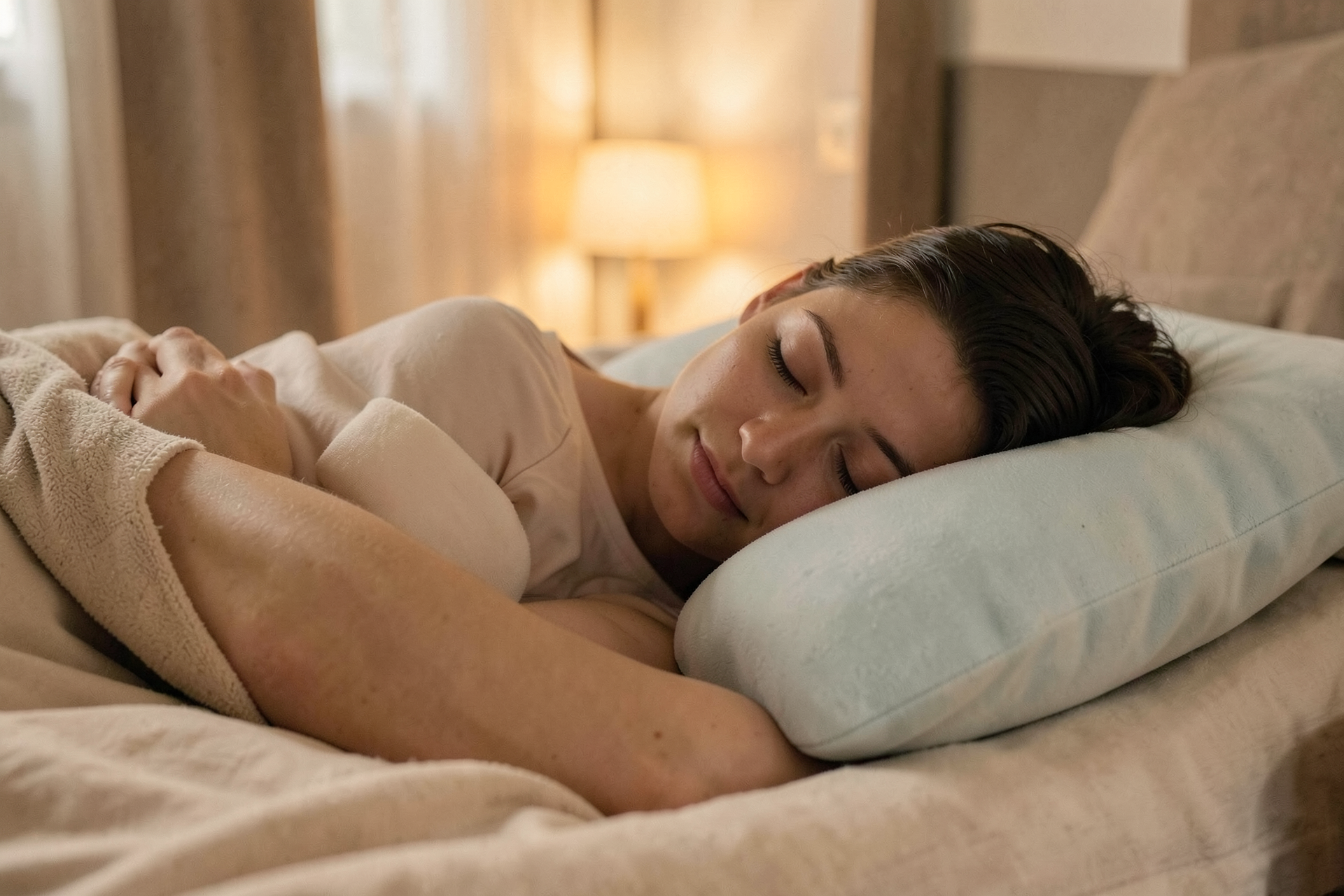
Proper care and maintenance extend the lifespan of memory foam pillows. Regular cleaning prevents the buildup of dust mites and allergens. Avoiding direct sunlight prevents foam degradation. Protecting the pillow from moisture prevents mold and mildew growth. These practices ensure the pillow remains hygienic and supportive.
Memory foam pillows require spot cleaning. Machine washing damages the foam. Air drying prevents moisture buildup. Using a pillow protector prevents stains. These simple steps maintain the pillow’s integrity. Proper care maximizes the benefits of memory foam pillows. Regular maintenance improves sleep quality.
Cleaning and Storage Tips
- Spot Clean: Use a mild detergent and warm water to spot clean stains.
- Air Dry: Allow the pillow to air dry completely before using it again.
- Pillow Protector: Use a pillow protector to prevent stains and allergens.
- Avoid Sunlight: Keep the pillow away from direct sunlight to prevent foam degradation.
- Proper Storage: Store the pillow in a cool, dry place when not in use.
Pros and Cons of Memory Foam Pillows
Memory foam pillows offer numerous benefits but also have potential drawbacks. Understanding these pros and cons helps individuals make informed decisions. The primary advantages include superior support, pressure relief, and hypoallergenic properties. The main disadvantages include potential off-gassing, heat retention, and higher cost.
Memory foam pillows improve sleep quality. Improved sleep quality enhances overall well-being. However, the initial odor of some memory foam pillows can be a concern. The Cooling Pillows for Sleep: A Breath of Fresh Air for Your Night post highlights alternatives for those sensitive to temperature.
Weighing the Advantages and Disadvantages
- Pros:
- Superior support and pressure relief
- Hypoallergenic properties
- Improved spinal alignment
- Reduced neck and back pain
- Cons:
- Potential off-gassing odor
- Heat retention
- Higher cost compared to traditional pillows
- May require an adjustment period
How to Choose the Right Memory Foam Pillow
Choosing the right memory foam pillow involves considering several factors. These factors include sleep position, body weight, and personal preferences. Understanding these elements ensures the selected pillow provides optimal support and comfort. The ideal pillow promotes restful sleep. A poor choice exacerbates existing problems.
Memory foam pillows offer customized support. Customized support minimizes pressure points. Personal preferences also play a role. Soft pillows offer gentle support. Firm pillows offer robust support.
Factors to Consider
- Sleep Position:
- Side sleepers require thicker pillows.
- Back sleepers require thinner pillows.
- Stomach sleepers require very thin or no pillows.
- Body Weight:
- Heavier individuals require firmer pillows.
- Lighter individuals require softer pillows.
- Personal Preferences:
- Consider preferred firmness level.
- Consider any allergies or sensitivities.
- Consider temperature regulation needs.
Latest Innovations in Memory Foam Pillow Technology
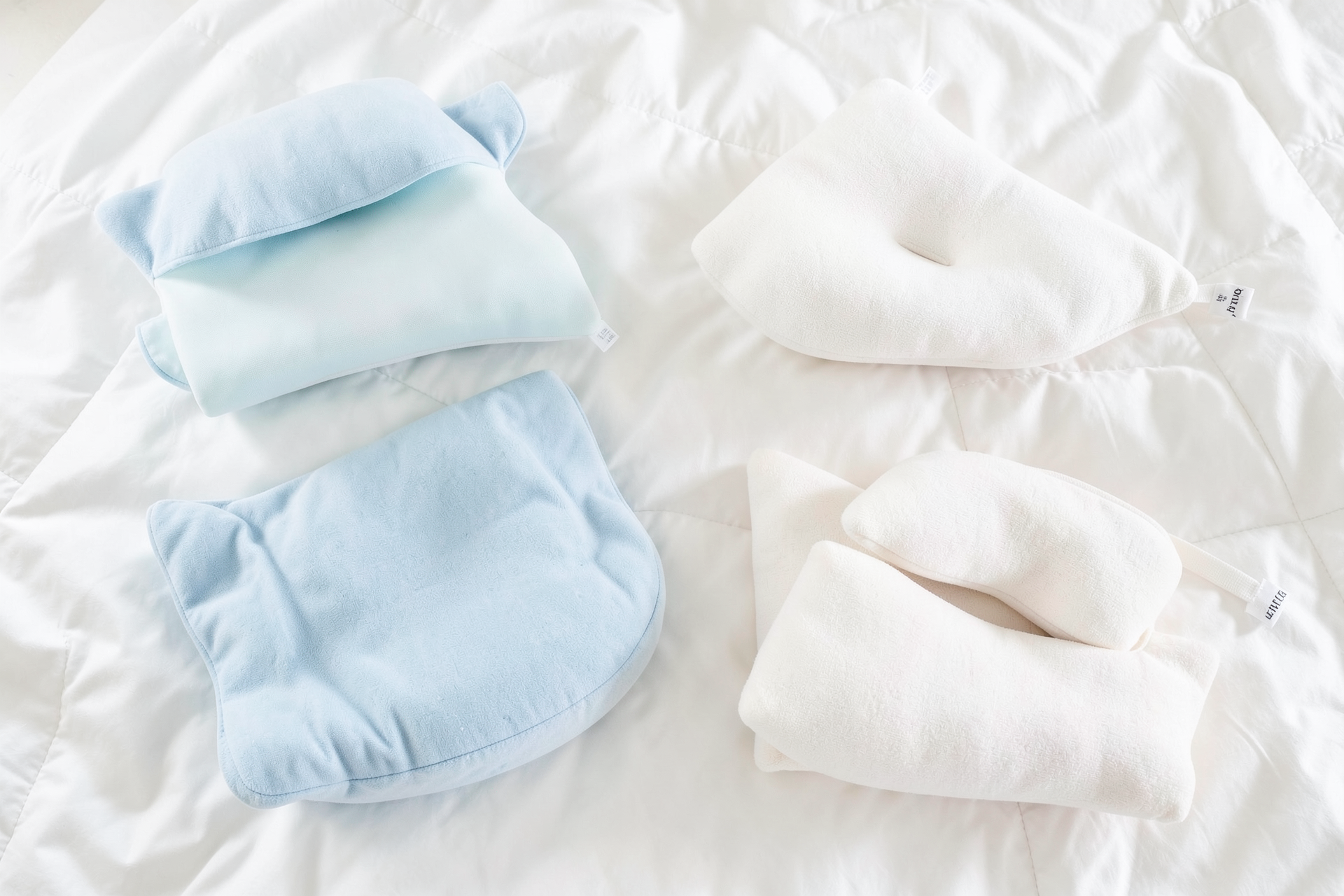
Memory foam pillow technology continues to evolve. Innovations focus on enhancing comfort, support, and temperature regulation. These advancements improve sleep quality. Improved sleep quality leads to better health outcomes. Manufacturers are incorporating new materials and designs. These improve the overall sleeping experience.
Memory foam pillows integrate cooling technologies. These technologies prevent overheating. Innovative designs enhance spinal alignment. Enhanced alignment reduces pain. The Adjustable Pillows: Custom Comfort for Every Sleep Position post details how adjustability enhances sleep quality.
Emerging Trends
- Cooling Gel Infusions: Gel infusions regulate temperature and prevent overheating.
- Adjustable Loft Designs: Adjustable loft designs allow for customized support.
- Ergonomic Contours: Ergonomic contours provide targeted support for the neck and shoulders.
- Sustainable Materials: Sustainable materials reduce environmental impact.
Frequently Asked Questions (FAQ)
This FAQ section addresses common questions about memory foam pillows. These answers provide clarity and guidance. Clear guidance helps individuals make informed decisions.
- What is memory foam made of?
Memory foam is primarily made of polyurethane. Polyurethane is a polymer with viscoelastic properties. These properties allow it to conform to pressure and return to its original shape. Certain memory foam formulations include additional chemicals. These chemicals enhance density and resilience.
- How long do memory foam pillows last?
Memory foam pillows typically last 2-3 years. Lifespan depends on usage and maintenance. Proper care extends the pillow’s lifespan. Signs of wear include loss of support and flattening.
- Are memory foam pillows suitable for side sleepers?
Yes, memory foam pillows are suitable for side sleepers. Side sleepers require thicker pillows. Thicker pillows fill the space between the head and shoulder. This maintains spinal alignment. Consider a contoured memory foam pillow for optimal support.
- Can memory foam pillows help with allergies?
Yes, memory foam pillows are often hypoallergenic. Hypoallergenic pillows resist dust mites and allergens. This makes them suitable for allergy sufferers. Ensure the pillow is CertiPUR-US certified for safety.
Conclusion
Memory foam pillows offer numerous benefits for sleep quality and pain relief. Choosing the right pillow requires careful consideration of individual needs and preferences. Proper care and maintenance extend the pillow’s lifespan. Ongoing innovations enhance comfort and support. Memory foam pillows represent a valuable investment in sleep health. The Best Pillows for Sleep: A Comprehensive Guide offers additional information on various pillow types.
Memory foam pillows integrate with the body’s contours. This integration minimizes strain. Minimized strain reduces pain. The result is improved sleep. Improved sleep enhances overall well-being. Consider exploring the range of memory foam options. Tailor your choice to your unique needs. Invest in a restful night’s sleep.