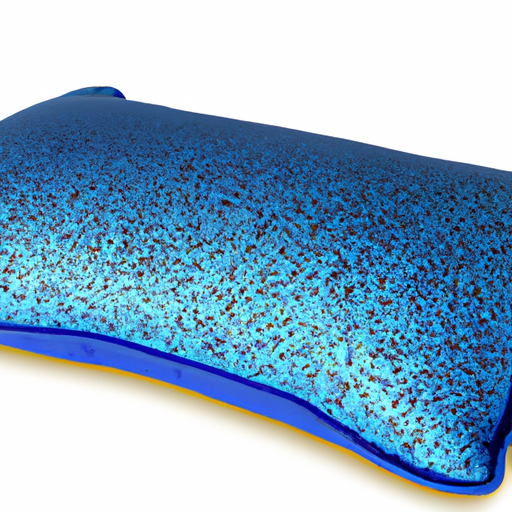
Introduction to Fluffy Pillows and Sleep Quality
Welcome to the ultimate guide on fluffy pillows and their impact on sleep quality. This comprehensive resource provides in-depth information on selecting, utilizing, and maintaining fluffy pillows for optimal rest. The guide addresses common sleep problems and how fluffy pillows can contribute to their alleviation, targeting individuals who prioritize comfort and support during sleep.
Fluffy pillows represent a significant investment in personal well-being. This guide provides the knowledge necessary to make informed decisions. Consider this resource as your personal sleep expert, guiding you toward nights filled with soft dreams and refreshed mornings.
Understanding the Science of Fluffy Pillows
The Material Composition and its Impact
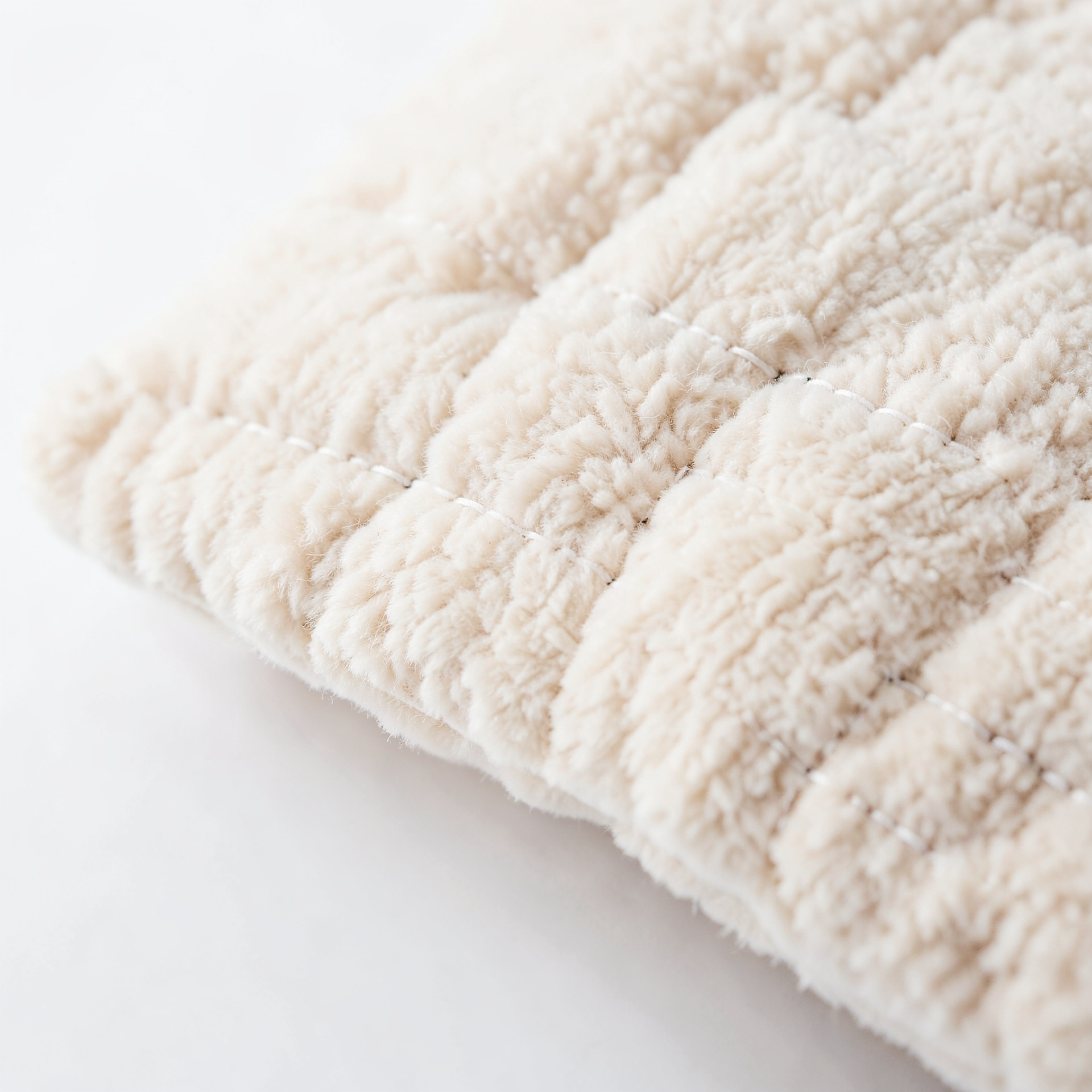
Fluffy pillows often contain materials like down, feathers, or synthetic fibers. Down offers exceptional softness and insulation. Feathers provide more support due to their structure. Synthetic fibers, such as polyester, serve as hypoallergenic alternatives. The choice of material directly influences the pillow’s loft, support, and breathability.
The density of the filling also plays a crucial role. A higher fill power indicates a greater amount of down per unit volume. This relates to increased fluffiness and longevity. Pillows with a fill power of 600 or higher are generally considered high quality.
How Fluffy Pillows Affect Sleep Posture
Proper sleep posture is crucial for spinal alignment. Fluffy pillows can either improve or hinder this alignment depending on their loft and firmness. Side sleepers require a thicker pillow to fill the space between their head and shoulder. This maintains a neutral spine. Back sleepers often benefit from a thinner, less fluffy pillow to prevent neck strain. Stomach sleepers may find a very thin or no pillow to be the most comfortable option. The method of achieving optimal spinal alignment involves selecting the correct pillow loft for the sleep persona (side, back, or stomach sleeper).
Research published in the Journal of Manipulative and Physiological Therapeutics highlights the importance of pillow selection in managing neck pain. The study found that individuals using pillows that properly supported their cervical spine experienced significantly less pain and stiffness.
Choosing the Perfect Fluffy Pillow: A Step-by-Step Guide
Selecting the right fluffy pillow involves considering several factors. These factors include sleeping position, material preferences, and any specific health concerns.
- Identify your primary sleeping position: Are you primarily a side, back, or stomach sleeper?
- Determine your preferred material: Do you prefer the softness of down, the support of feathers, or the hypoallergenic properties of synthetic fibers?
- Consider your loft preference: Do you prefer a high-loft pillow for side sleeping or a low-loft pillow for back sleeping?
- Assess your firmness preference: Do you prefer a soft, medium, or firm pillow?
- Read reviews and compare different options: Look for pillows that have received positive reviews from other users with similar sleeping habits.
Comparison Table: Fluffy Pillow Materials
| Material | Pros | Cons | Best For |
|---|---|---|---|
| Down | Extremely soft, lightweight, breathable | Can be expensive, may trigger allergies | Back and stomach sleepers |
| Feather | Supportive, durable, relatively inexpensive | Can be noisy, may poke through fabric | Side sleepers |
| Synthetic (Polyester) | Hypoallergenic, affordable, easy to care for | Less breathable than down or feathers, may flatten over time | Allergy sufferers, budget-conscious shoppers |
| Memory Foam | Excellent support, conforms to head and neck, pressure relief | Can retain heat, may have a slight odor initially | Side and back sleepers, those with neck pain |
This table provides a quick comparison of different fluffy pillow alternatives, assisting in the choice process.
The Benefits of Sleeping on a Fluffy Pillow
Reducing Neck and Shoulder Pain
A well-chosen fluffy pillow can significantly reduce neck and shoulder pain. The pillow supports the head and neck. This maintains proper alignment. This alleviates pressure on sensitive areas. Proper spinal alignment reduces muscle strain, which causes pain.
Individuals experiencing chronic neck pain should consult with a healthcare professional. This consultation will help determine the underlying cause. It will also decide on the most appropriate treatment plan. A suitable fluffy pillow serves as a complementary tool in pain management.
Improving Sleep Quality and Reducing Snoring
Comfortable pillows contribute to better sleep quality. This reduces tossing and turning throughout the night. Fluffy pillows, in particular, can help reduce snoring. They elevate the head slightly. This position opens up the airways. It facilitates easier breathing. Elevating the head improves airflow, which reduces snoring.
Snoring can be a symptom of sleep apnea. This is a more serious condition. Individuals who snore loudly or frequently should consult with a doctor to rule out sleep apnea. See our related article on sleep apnea pillows.
Enhancing Overall Comfort and Relaxation
The primary benefit of fluffy pillows lies in their ability to enhance overall comfort and relaxation. The soft and plush feel of a fluffy pillow creates a sense of luxury and comfort. This promotes a feeling of relaxation. Relaxation encourages faster sleep onset and more restful sleep. Comfort enables relaxation, which improves sleep onset.
Caring for Your Fluffy Pillow: Maintenance Tips
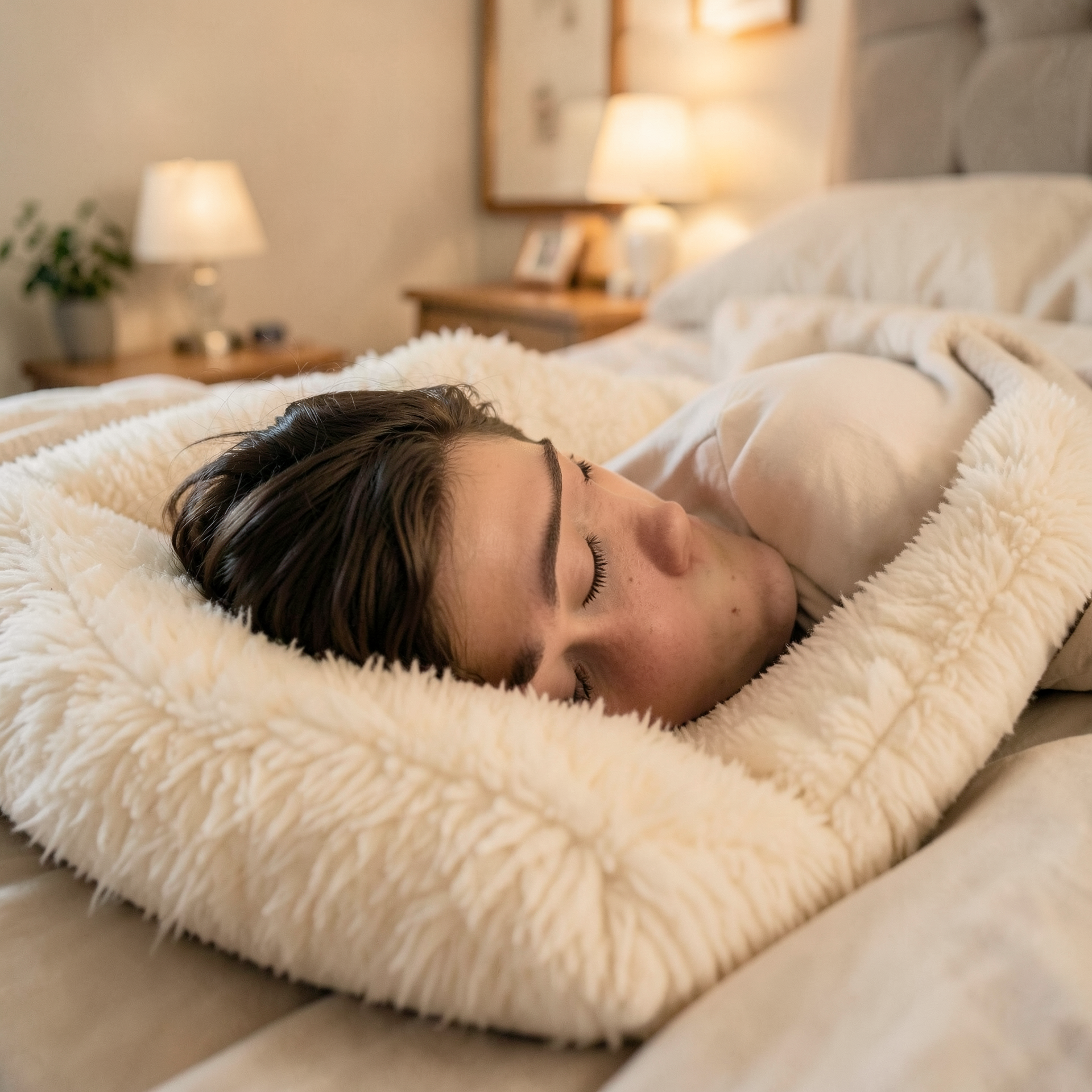
Proper care extends the lifespan and maintains the fluffiness of your pillow. Regular cleaning and maintenance are essential.
- Wash your pillow regularly: Follow the manufacturer’s instructions for washing. Most down and synthetic pillows can be machine washed.
- Use a pillow protector: Pillow protectors shield against dust mites, allergens, and stains.
- Fluff your pillow daily: Fluffing redistributes the filling. This prevents clumping and maintains loft.
- Air dry your pillow: Avoid using high heat in the dryer. This can damage the filling. Air drying is the preferred method for fluffy pillows.
- Replace your pillow every 1-2 years: Over time, pillows lose their support and accumulate allergens.
Regular washing requires mild detergent, which follows gentle cleaning practices.
Fluffy Pillows for Different Sleep Positions
Different sleep positions require different pillow lofts and firmness levels to ensure proper spinal alignment.
Side Sleepers
Side sleepers need a thicker pillow. This fills the space between their head and shoulder. This will keep their spine aligned. Look for pillows with a loft of 4-6 inches. A thicker pillow targets side sleepers, providing proper spinal alignment.
Consider these side sleeper pillow reviews before making your selection.
Back Sleepers
Back sleepers require a thinner pillow. This supports the natural curve of their neck. It prevents their head from tilting too far forward. Look for pillows with a loft of 3-5 inches. A thinner pillow targets back sleepers, supporting the natural curve of their neck.
Explore the benefits of bed pillows for sleep positioning to find the best option for you.
Stomach Sleepers
Stomach sleepers often benefit from a very thin or no pillow. Using a thick pillow can strain their neck. This can cause pain and discomfort. A very thin pillow targets stomach sleepers, preventing neck strain.
Memory Foam vs. Fluffy Pillows: A Detailed Comparison
Both memory foam and fluffy pillows offer unique benefits. The best choice depends on individual preferences and needs.
| Feature | Memory Foam Pillows | Fluffy Pillows |
|---|---|---|
| Support | Excellent support, conforms to head and neck | Variable support depending on fill material |
| Comfort | Can be firm or soft, depending on density | Generally soft and plush |
| Breathability | Can retain heat | Generally more breathable |
| Durability | Long-lasting | Requires more frequent replacement |
| Price | Can be more expensive | Generally more affordable |
Memory foam pillows outperform fluffy pillows in support, while fluffy pillows surpass memory foam in breathability.
Learn more about memory foam pillows and the science of sweet dreams.
Creating the Perfect Pillow Nest for Optimal Sleep

Arranging multiple pillows can create a comfortable and supportive sleep environment.
- Use a primary pillow for head and neck support: Choose a pillow that is appropriate for your sleeping position.
- Add a body pillow for side support: A body pillow can help maintain spinal alignment and reduce pressure on your hips and shoulders.
- Use a wedge pillow for elevation: A wedge pillow elevates your upper body. This reduces snoring and acid reflux.
- Experiment with different arrangements: Find the combination that provides the most comfort and support for you.
Addressing Common Concerns and Constraints
Allergies and Sensitivities
Individuals with allergies should opt for hypoallergenic pillows. These pillows contain synthetic fills. They are resistant to dust mites and other allergens. Regular washing also helps minimize allergen buildup. Hypoallergenic pillows offer protection against allergens.
Consider a bamboo pillow for sleep. Bamboo is naturally hypoallergenic and antimicrobial.
Budgetary Constraints
Fluffy pillows range in price from affordable to luxurious. Synthetic pillows are generally the most budget-friendly option. Down and feather pillows tend to be more expensive. Synthetic pillows provide an affordable alternative.
Investing in a quality pillow protector can extend the lifespan of your pillow. This will save money in the long run.
FAQ: Frequently Asked Questions About Fluffy Pillows
- How often should I replace my fluffy pillow?
Replace your fluffy pillow every 1-2 years. Over time, pillows lose their support and accumulate allergens. - How do I wash my fluffy pillow?
Follow the manufacturer’s instructions for washing. Most down and synthetic pillows can be machine washed. Use a mild detergent and tumble dry on low heat. - What is the best loft for a side sleeper?
Side sleepers typically need a pillow with a loft of 4-6 inches to properly support their head and neck. - Are fluffy pillows good for neck pain?
A well-chosen fluffy pillow can help reduce neck pain by providing proper support and alignment. However, it is important to consult with a healthcare professional if you experience chronic neck pain. Proper pillow selection reduces neck pain, improving sleep quality. - What are the benefits of using a pillow protector?
Pillow protectors shield against dust mites, allergens, and stains. They also extend the lifespan of your pillow.
Conclusion: Embrace the Comfort of Fluffy Pillows
Fluffy pillows offer a multitude of benefits. These benefits include improved sleep quality, reduced pain, and enhanced comfort. By understanding the science behind fluffy pillows. By carefully selecting the right pillow for your needs. By following proper care and maintenance tips. You can unlock the full potential of fluffy pillows and enjoy nights filled with soft dreams. Optimal pillow selection improves sleep quality, enabling restful nights.
Consider exploring cooling pillows for sleep if temperature is a constraint for you.