
Introduction to Down Pillows
Down pillows represent a pinnacle of comfort in bedding. These pillows feature the soft under feathers of ducks or geese, providing exceptional loft and a plush feel. A quality down pillow delivers a unique sleep experience, cradling the head and neck for pressure relief. This guide explores the various aspects of down pillows, including their benefits, types, care, and selection, enabling you to make an informed choice for optimal sleep.
The Science of Down: Superior Sleep Comfort
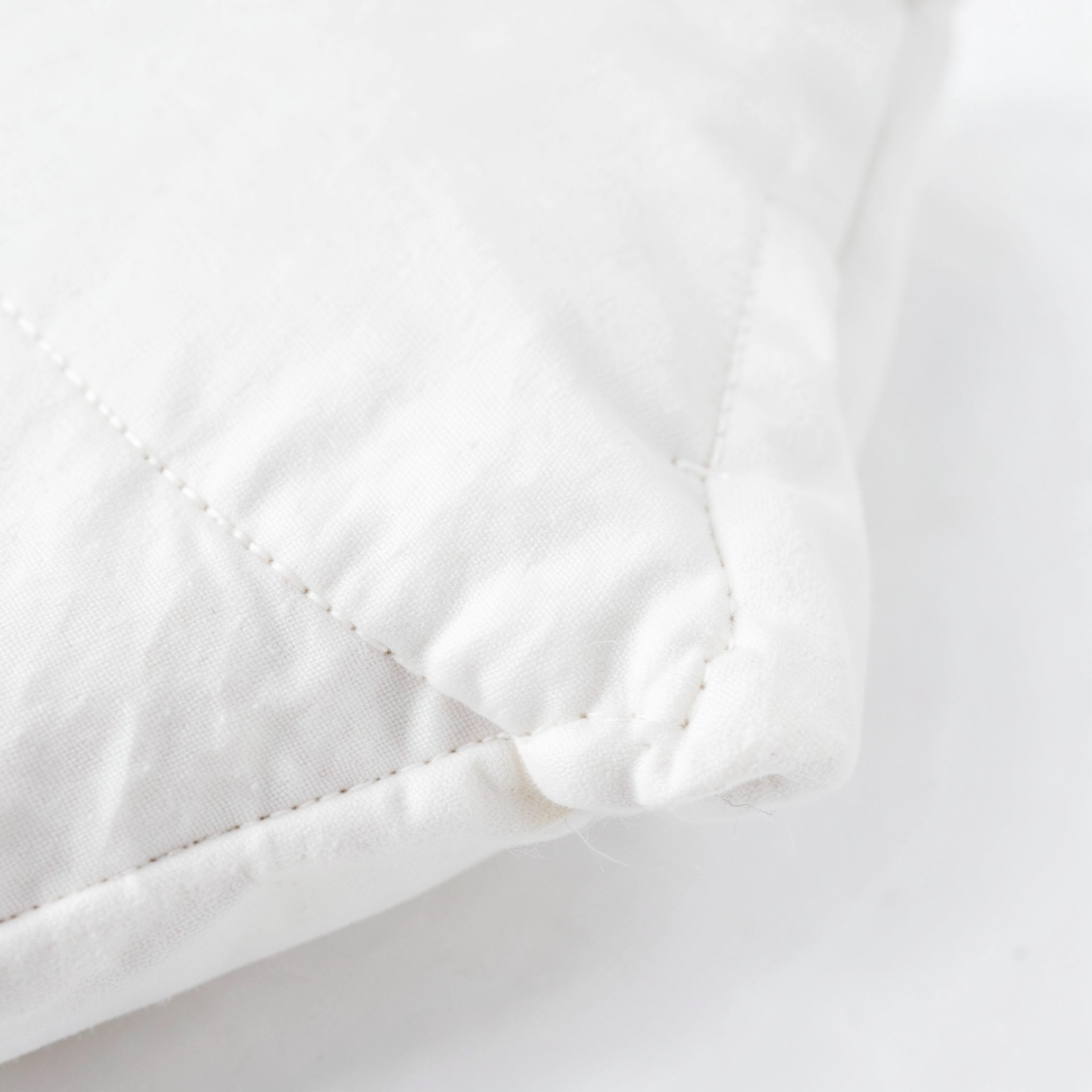
Down clusters create a three-dimensional structure. This structure traps air and provides exceptional insulation and cushioning. This unique construction makes down pillows highly adaptable, conforming to the sleeper’s head and neck contours. This adaptability minimizes pressure points and promotes proper spinal alignment. A study published in the Journal of Applied Physiology highlights the thermoregulatory properties of down, demonstrating its ability to maintain a stable sleep temperature (J. Appl. Physiol. 96: 119-127, 2004).
Down vs. Feathers: Understanding the Difference
Down and feathers, while both sourced from birds, possess distinct characteristics. Down refers to the soft, fluffy undercoating of waterfowl. Feathers, on the other hand, have quills and offer less loft. Down clusters lack quills, resulting in a lighter, more compressible fill. Pillows containing a higher down-to-feather ratio generally offer superior comfort and support.
Fill Power: A Key Metric for Down Quality
Fill power measures the loft and insulating ability of down. Higher fill power indicates better quality and greater warmth-to-weight ratio. Down with a fill power of 600 or higher is generally considered high-quality. A higher fill power translates to a more resilient and longer-lasting pillow.
Benefits of Sleeping with a Down Pillow
Down pillows provide numerous benefits for sleep quality and overall well-being. These pillows offer a unique combination of comfort, support, and durability.
- Superior Comfort: Down pillows conform to the sleeper’s head and neck, providing personalized comfort.
- Excellent Support: The resilient down clusters offer gentle support, promoting proper spinal alignment.
- Breathability: Down’s natural breathability helps regulate temperature, preventing overheating during sleep.
- Durability: With proper care, down pillows can last for many years, offering a long-term investment in sleep quality.
- Lightweight Feel: Down’s lightweight nature prevents feelings of restriction during sleep.
Investing in a quality down pillow can significantly improve sleep quality and reduce discomfort. Consider exploring other pillow options as well to find the perfect fit.
Types of Down Pillows: Choosing the Right Fill
Down pillows vary in fill type, construction, and firmness. Understanding these differences enables you to select the pillow that best suits your individual needs.
Goose Down vs. Duck Down
Goose down generally offers higher fill power than duck down. Goose down clusters tend to be larger and more resilient. However, duck down provides a more affordable alternative without sacrificing significant comfort.
Down and Feather Blends
Many down pillows incorporate a blend of down and feathers. This blend reduces cost and provides a firmer feel. A higher down-to-feather ratio results in a softer, more luxurious pillow. Pillows containing a 75% down/25% feather blend strike a balance between comfort and support.
White Down vs. Grey Down
White down and grey down offer similar performance characteristics. The primary difference lies in their aesthetic appearance. White down is preferred for use in light-colored pillowcases, as it prevents discoloration.
Construction: Baffle Box vs. Gusseted
Baffle box construction features internal fabric walls that keep the down evenly distributed. This prevents clumping and maximizes loft. Gusseted pillows have fabric panels sewn around the edges, providing additional support and height.
Consider exploring adjustable pillows as an alternative, especially if you’re unsure about the ideal firmness.
Choosing the Right Down Pillow for Your Sleep Style

Selecting the right down pillow depends on your preferred sleep position, body type, and personal preferences.
Side Sleepers
Side sleepers require a firmer, thicker pillow to maintain proper spinal alignment. A down pillow with a higher fill power and gusseted construction works best for side sleepers. The added thickness fills the gap between the head and shoulder, preventing neck strain.
Back Sleepers
Back sleepers benefit from a medium-firmness pillow that supports the natural curvature of the neck. A down pillow with a medium fill power and baffle box construction provides adequate support without excessive loft. Proper support minimizes the risk of neck pain and stiffness.
Stomach Sleepers
Stomach sleepers require a thin, soft pillow to avoid straining the neck. A down pillow with a low fill power or a down alternative pillow works best for stomach sleepers. The thinner profile prevents the neck from being forced into an unnatural position.
Considering Body Weight
Individuals with a larger body frame may require a firmer pillow to provide adequate support. Conversely, individuals with a smaller frame may prefer a softer pillow for optimal comfort.
Caring for Your Down Pillow: Maximizing Longevity
Proper care extends the life of your down pillow and maintains its comfort. Regular cleaning and maintenance prevent the build-up of dust mites and allergens.
Fluffing Your Down Pillow
Fluff your down pillow daily to redistribute the down and maintain its loft. Grasp the pillow by its corners and shake it vigorously. Consistent fluffing prevents the down from clumping and losing its supportive properties.
Washing Your Down Pillow
Wash your down pillow every 6-12 months to remove dust mites and allergens. Use a front-loading washing machine on a gentle cycle with a mild detergent. Avoid using top-loading machines with agitators, as they can damage the down clusters.
Drying Your Down Pillow
Dry your down pillow thoroughly on low heat with dryer balls to prevent clumping. The dryer balls help to break up the down clusters and speed up the drying process. Ensure the pillow is completely dry to prevent mildew growth.
Using a Pillow Protector
Protect your down pillow with a pillow protector to prevent stains and allergens. A zippered pillow protector provides a barrier against dust mites and other irritants. Regularly wash the pillow protector to maintain a clean sleep environment.
Down Pillow Alternatives: Exploring Other Options
While down pillows offer exceptional comfort, several alternatives cater to specific needs and preferences.
Memory Foam Pillows
Memory foam pillows provide excellent support and pressure relief. Memory foam conforms to the shape of the head and neck, offering personalized comfort. Explore the science of memory foam to understand its benefits.
Latex Pillows
Latex pillows offer a balance of support and comfort. Natural latex is hypoallergenic and resistant to dust mites, making it an excellent choice for allergy sufferers.
Down Alternative Pillows
Down alternative pillows use synthetic fills to mimic the feel of down. These pillows provide an affordable and hypoallergenic alternative to down. They are easier to care for and suitable for individuals with down allergies.
Bamboo Pillows
Bamboo pillows offer enhanced breathability and moisture-wicking properties. The bamboo fibers create a cool and comfortable sleep surface. Consider exploring a bamboo pillow if you tend to overheat during sleep.
If you experience neck pain, explore pillows designed for neck support as well.
The Ethical Considerations of Down Sourcing
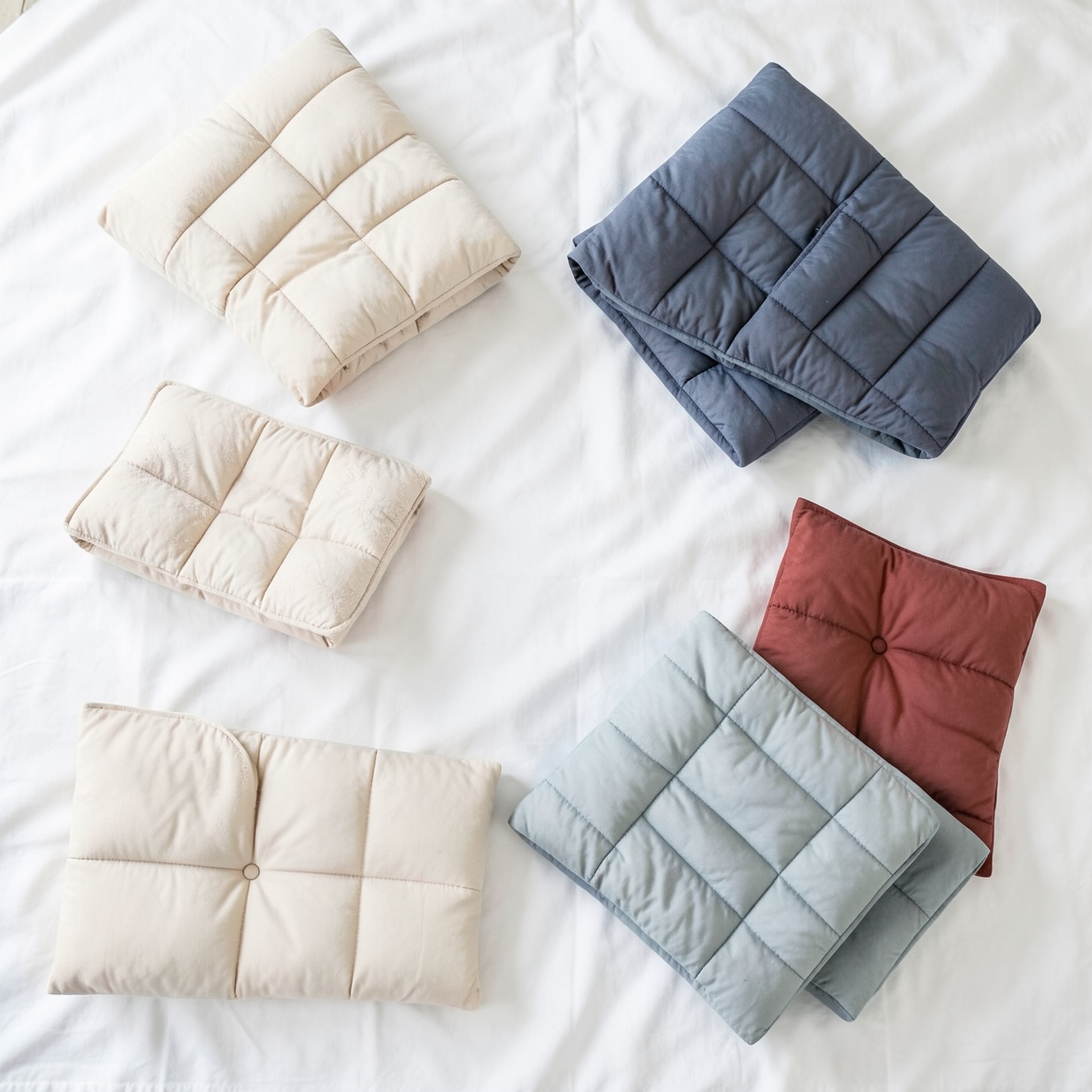
Ethical sourcing of down is a crucial consideration. Responsible down standards (RDS) ensure that down is sourced from birds that have not been subjected to unnecessary harm. Look for pillows certified by RDS or similar organizations to support ethical practices. Consumers should prioritize companies committed to humane treatment of animals.
Addressing Common Concerns about Down Pillows
Some individuals express concerns about allergies, cleaning, and cost associated with down pillows. Addressing these concerns helps potential buyers make informed decisions.
Allergies and Down Pillows
High-quality down pillows undergo rigorous cleaning processes to remove dust and allergens. Individuals with down allergies may still experience discomfort, but hypoallergenic down pillows minimize this risk. Regularly washing and using a pillow protector further reduces the risk of allergic reactions.
Cleaning Down Pillows
Proper cleaning methods prevent damage to down clusters and maintain pillow loft. Following the manufacturer’s instructions ensures the pillow remains in optimal condition. Professional cleaning services offer specialized down cleaning for optimal results.
Cost Considerations
Down pillows represent a long-term investment in sleep quality. While initially more expensive than synthetic alternatives, their durability and comfort justify the cost. Consider the long-term benefits of improved sleep and reduced discomfort when evaluating the cost of a down pillow.
Down Pillow FAQ
How often should I replace my down pillow?
Down pillows should be replaced every 2-3 years, depending on their condition and usage. Signs of wear and tear, such as flattening or clumping, indicate the need for replacement. The lifespan of a down pillow depends on the quality of down and the care provided.
Can I wash my down pillow in a regular washing machine?
Yes, but only in a front-loading washing machine on a gentle cycle with mild detergent. Top-loading machines with agitators can damage the down clusters. Ensure the pillow is dried thoroughly on low heat with dryer balls to prevent clumping and mildew growth.
Are down pillows suitable for people with allergies?
High-quality down pillows undergo rigorous cleaning processes to remove dust and allergens. Look for hypoallergenic down pillows, which minimize the risk of allergic reactions. Regular washing and using a pillow protector further reduces the risk.
How can I tell if a down pillow is high quality?
Look for a high fill power (600 or higher), a high down-to-feather ratio, and certifications such as RDS. The construction should be baffle box to ensure even down distribution. The fabric encasing should be tightly woven to prevent down leakage.
What is the best way to store a down pillow?
Store down pillows in a cool, dry place away from direct sunlight. Use a breathable storage bag to protect the pillow from dust and pests. Avoid compressing the pillow for extended periods, as this can damage the down clusters.
Conclusion: Investing in Down for Optimal Sleep
Down pillows offer a luxurious and comfortable sleep experience. By understanding the different types, benefits, and care requirements, you can choose the perfect down pillow for your needs. Investing in a quality down pillow represents an investment in your sleep quality and overall well-being. Prioritize ethical sourcing and proper care to maximize the longevity and comfort of your down pillow. For additional support, consider exploring sleep positioning techniques to optimize your sleep.