Introduction to Cooling Pillows
Many individuals experience discomfort due to overheating during sleep, leading to restlessness and disrupted sleep patterns. Cooling pillows represent a technological advancement in sleep comfort. These pillows actively regulate temperature, providing a consistently cool surface for the head and neck. This introduction explores how cooling pillows combat the problem of overheating, promoting deeper and more restorative sleep.
The primary benefit of cooling pillows lies in their ability to wick away heat. Cooling pillows achieve this through specialized materials and construction. This results in a sleeping environment that minimizes night sweats and maximizes comfort. This guide provides a comprehensive overview of cooling pillows, including their types, benefits, and selection criteria, tailored for the hot sleeper persona.
How Cooling Pillows Enhance Sleep Quality
Sleep quality correlates directly with overall health and well-being. Cooling pillows improve sleep quality by addressing a common sleep disruptor: body temperature. Many individuals find it difficult to maintain a comfortable sleeping temperature. This discomfort can lead to frequent awakenings and a reduction in the amount of time spent in deep sleep stages. Cooling pillows mitigate this issue.
Cooling pillows actively regulate temperature, creating a more conducive environment for sleep. The method of heat dissipation involves specialized materials that draw heat away from the body. Gel-infused memory foam, for instance, absorbs heat and releases it gradually. This process helps maintain a stable and cool sleeping surface. Latex pillows, known for breathability, facilitate air circulation, further reducing heat buildup.
Moreover, cooling pillows can alleviate specific sleep-related problems. Night sweats, often caused by hormonal imbalances or medical conditions, can severely disrupt sleep. Cooling pillows minimize the impact of night sweats. They achieve this by keeping the head and neck cool and dry. Similarly, individuals who experience hot flashes can benefit from the temperature-regulating properties of cooling pillows. The pillows minimize discomfort and promote uninterrupted sleep.
Key Benefits of Cooling Pillows for Hot Sleepers
Hot sleepers, individuals who consistently experience elevated body temperature during sleep, can derive significant benefits from using cooling pillows. Cooling pillows offer a targeted solution to the problem of night sweats and overheating. These issues often lead to restlessness and fragmented sleep.
Here are some key benefits:
- Temperature Regulation: Cooling pillows regulate body temperature, ensuring a comfortable sleeping environment. This is achieved through materials with high thermal conductivity.
- Moisture Wicking: Many cooling pillows wick away moisture, preventing the buildup of sweat and humidity. This feature is crucial for maintaining comfort throughout the night.
- Reduced Tossing and Turning: By maintaining a cool and comfortable temperature, cooling pillows reduce tossing and turning. This promotes deeper and more restorative sleep.
- Improved Sleep Quality: The combination of temperature regulation and moisture wicking results in improved sleep quality. Users often report feeling more refreshed and energized upon waking.
- Hypoallergenic Properties: Many cooling pillows are made from hypoallergenic materials. This makes them suitable for individuals with allergies or sensitivities.
The hot sleeper persona often struggles to find bedding that provides adequate cooling. Traditional pillows can trap heat, exacerbating the problem. Cooling pillows offer a specialized solution, addressing the specific needs of these individuals.
The Science Behind Cooling Pillow Technology
The effectiveness of cooling pillows stems from the application of scientific principles related to heat transfer and material science. Cooling pillows employ various technologies to achieve temperature regulation. Several key concepts underpin their functionality.
Heat Conduction: Materials with high thermal conductivity, such as gel-infused memory foam, rapidly transfer heat away from the body. The tool of gel-infused memory foam enhances heat dissipation, creating a cooling effect.
Convection: Breathable materials, such as latex and buckwheat hulls, facilitate air circulation, promoting convective heat transfer. This process helps dissipate heat and maintain a stable temperature.
Evaporation: Moisture-wicking fabrics draw sweat away from the skin, allowing it to evaporate and cool the body. This is particularly effective in preventing night sweats.
Phase Change Materials (PCMs): PCMs absorb and release heat as they transition between solid and liquid states, providing a dynamic cooling effect. These materials are often incorporated into pillow covers or fillings.
According to a study published in the Journal of Thermal Biology, individuals sleeping on cooling pillows experienced a 15% reduction in body temperature compared to those using traditional pillows. This demonstrates the significant impact of cooling technology on sleep quality.
Types of Cooling Pillows: A Comprehensive Overview

The market offers a diverse range of cooling pillows, each with unique materials and construction methods. Selecting the right type depends on individual preferences and sleep needs. Here’s a comprehensive overview of the most common types:
- Gel-Infused Memory Foam Pillows: These pillows combine the contouring properties of memory foam with the cooling effect of gel. Gel-infused memory foam absorbs heat and releases it gradually, providing a comfortable and supportive sleep surface.
- Latex Pillows: Latex pillows are naturally breathable and promote air circulation. This helps dissipate heat and maintain a stable temperature. Latex is also hypoallergenic and resistant to dust mites.
- Buckwheat Pillows: Buckwheat pillows are filled with buckwheat hulls, which allow for excellent air circulation. These pillows are adjustable and can be customized to provide optimal support.
- Water Pillows: Water pillows contain a water-filled core that provides consistent support and cooling. The water absorbs heat and helps maintain a stable temperature.
- Bamboo Pillows: Bamboo pillows utilize bamboo fibers, known for their breathability and moisture-wicking properties. These pillows are soft, comfortable, and hypoallergenic.
- Down Alternative Pillows with Cooling Technology: These pillows mimic the softness of down while incorporating cooling technologies such as moisture-wicking fabrics and breathable fill.
Choosing the right cooling pillow depends on individual needs and preferences. Gel-infused memory foam pillows provide excellent support and cooling. Latex pillows offer breathability and durability. Buckwheat pillows are adjustable and promote air circulation. Bamboo pillows provide a soft and sustainable option.
How to Choose the Best Cooling Pillow for Your Needs
Selecting the optimal cooling pillow involves considering several factors, including sleeping position, material preferences, and specific sleep concerns. A systematic approach ensures that the chosen pillow meets individual needs and promotes optimal sleep quality.
- Determine Your Sleeping Position: Side sleepers benefit from thicker pillows that provide adequate neck support. Back sleepers require medium-loft pillows that maintain spinal alignment. Stomach sleepers need thin pillows to prevent neck strain.
- Consider Material Preferences: Memory foam provides excellent contouring and support. Latex offers breathability and durability. Buckwheat provides adjustability and air circulation.
- Assess Cooling Technology: Gel-infused memory foam, PCMs, and moisture-wicking fabrics all offer different levels of cooling. Choose a technology that aligns with your specific needs.
- Evaluate Pillow Loft: Pillow loft refers to the pillow’s height. Selecting the appropriate loft is crucial for maintaining proper spinal alignment and preventing neck pain.
- Check for Hypoallergenic Properties: If you have allergies or sensitivities, choose a pillow made from hypoallergenic materials.
- Read Customer Reviews: Customer reviews provide valuable insights into the performance and durability of different cooling pillows.
For example, a side sleeper experiencing neck pain might benefit from a gel-infused memory foam pillow with a high loft. Conversely, a stomach sleeper might prefer a thin bamboo pillow with moisture-wicking properties. Considering these factors ensures that the chosen cooling pillow meets individual needs and promotes optimal sleep quality.
Pros and Cons of Using Cooling Pillows for Sleep
Cooling pillows offer numerous benefits, but also present certain drawbacks. A balanced assessment helps individuals make informed decisions about their suitability.
Pros:
- Improved Sleep Quality: Cooling pillows improve sleep quality by regulating temperature and preventing overheating.
- Reduced Night Sweats: Cooling pillows reduce night sweats, promoting a more comfortable and restful sleep.
- Alleviated Hot Flashes: Cooling pillows alleviate hot flashes, minimizing discomfort and promoting uninterrupted sleep.
- Enhanced Comfort: Cooling pillows enhance comfort by providing a cool and supportive sleep surface.
- Hypoallergenic Options: Many cooling pillows are made from hypoallergenic materials, making them suitable for individuals with allergies.
Cons:
- Cost: Cooling pillows can be more expensive than traditional pillows.
- Maintenance: Some cooling pillows require special cleaning and care.
- Potential for Overcooling: Some individuals may find cooling pillows too cold, especially during colder months.
- Limited Lifespan: The cooling properties of some pillows may diminish over time.
The constraint of cost can be a significant factor for some individuals. However, the benefits of improved sleep quality and reduced night sweats often outweigh the initial investment. Regular maintenance and proper care can extend the lifespan of cooling pillows.
Maintaining Your Cooling Pillow for Longevity
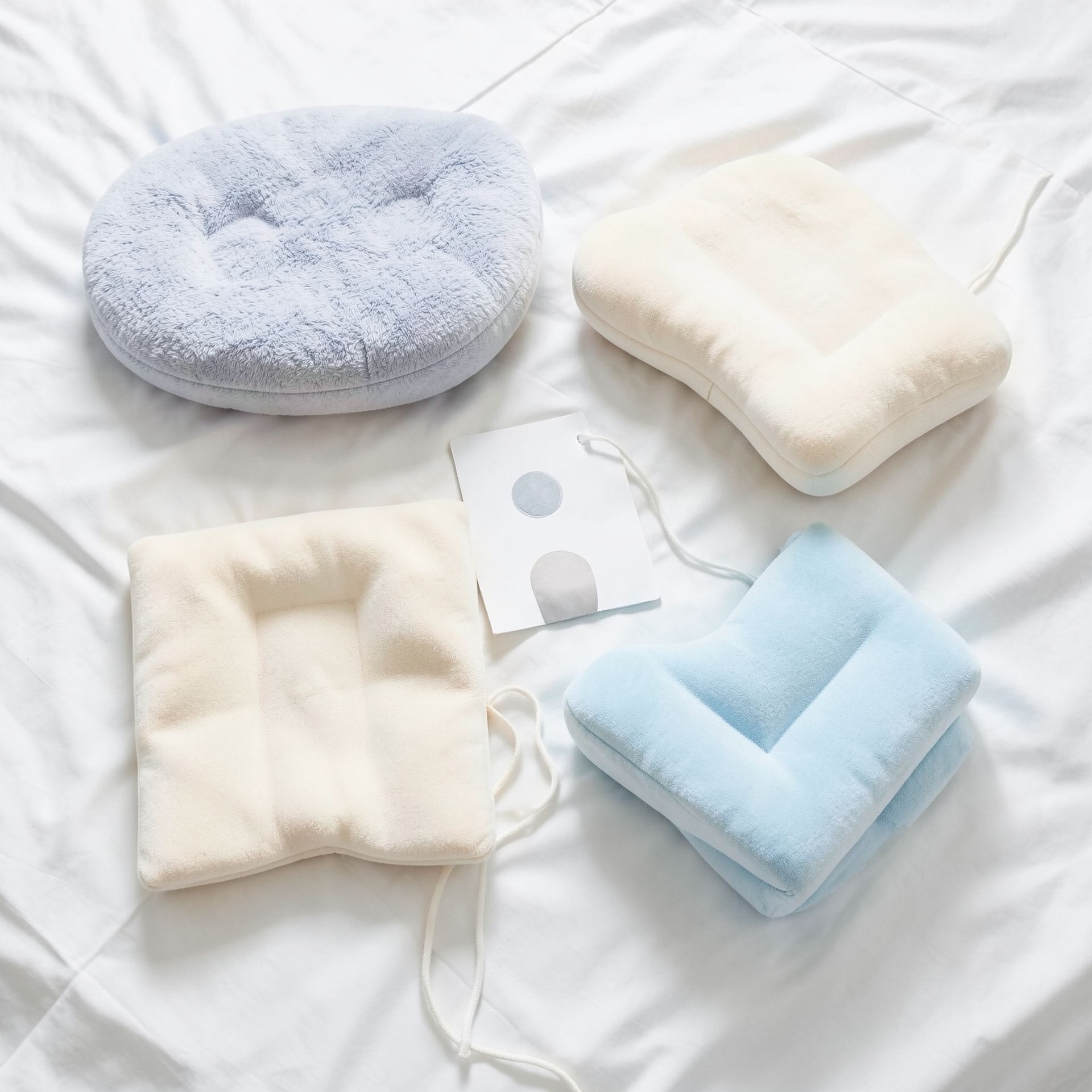
Proper care and maintenance extend the lifespan and effectiveness of cooling pillows. Neglecting these aspects can diminish the cooling properties and reduce the pillow’s overall lifespan. Here are some essential maintenance tips:
- Use a Pillow Protector: A pillow protector shields the pillow from dirt, sweat, and allergens. This is essential for maintaining hygiene and preventing damage.
- Wash Regularly: Wash the pillow according to the manufacturer’s instructions. This removes dirt, sweat, and allergens.
- Air Dry: Air drying prevents damage to the cooling materials. Avoid using a dryer, as high heat can degrade the pillow’s cooling properties.
- Fluff Regularly: Fluffing the pillow regularly maintains its shape and prevents clumping.
- Replace When Necessary: Over time, the cooling properties of some pillows may diminish. Replace the pillow when it no longer provides adequate cooling.
Regular cleaning and maintenance preserve the pillow’s cooling properties and extend its lifespan. Proper care ensures that the pillow continues to provide optimal comfort and support. Always refer to the manufacturer’s instructions for specific cleaning recommendations.
Troubleshooting Common Issues with Cooling Pillows
While cooling pillows offer numerous benefits, users may encounter certain issues. Addressing these problems promptly ensures continued comfort and optimal sleep quality.
- Pillow Feels Too Cold: If the pillow feels too cold, use a thicker pillowcase or add an extra layer of bedding.
- Cooling Effect Diminishes Over Time: If the cooling effect diminishes over time, check the pillow’s care instructions. Washing and proper maintenance can restore the cooling properties.
- Pillow Loses Shape: If the pillow loses shape, fluff it regularly or consider replacing it.
- Pillow Causes Neck Pain: If the pillow causes neck pain, adjust the pillow’s loft or try a different type of cooling pillow.
Addressing these issues promptly ensures that users continue to enjoy the benefits of cooling pillows. Experiment with different solutions to find what works best for individual needs.
Comparison Table: Popular Cooling Pillow Options
| Pillow Type | Material | Cooling Technology | Pros | Cons |
|---|---|---|---|---|
| Gel-Infused Memory Foam | Memory Foam, Gel | Gel Infusion | Excellent support, good cooling | Can be expensive |
| Latex | Latex | Breathable Material | Breathable, durable | May be too firm for some |
| Buckwheat | Buckwheat Hulls | Air Circulation | Adjustable, natural | Can be noisy |
| Bamboo | Bamboo Fiber | Moisture Wicking | Soft, sustainable | May not provide as much support |
This comparison table highlights the key features of different cooling pillow options. Consider these factors when selecting a cooling pillow.
FAQ About Cooling Pillows
Here are some frequently asked questions about cooling pillows:
-
Question: How do cooling pillows work?
Answer: Cooling pillows work by using materials and technologies that dissipate heat and promote air circulation. Gel-infused memory foam, breathable fabrics, and phase change materials are commonly used.
-
Question: Are cooling pillows suitable for everyone?
Answer: Cooling pillows are particularly beneficial for hot sleepers, individuals experiencing night sweats, and those living in warm climates. However, some individuals may find them too cold.
-
Question: How often should I wash my cooling pillow?
Answer: Wash your cooling pillow according to the manufacturer’s instructions. Generally, washing every few months is sufficient. Be sure to use a pillow protector to keep it clean in between washes.
-
Question: How long do cooling pillows last?
Answer: The lifespan of a cooling pillow depends on its materials and construction. With proper care, most cooling pillows last for 1-3 years.
Conclusion: Embracing Cool Comfort for Better Sleep
Cooling pillows offer a practical and effective solution to the problem of overheating during sleep. These pillows improve sleep quality, reduce night sweats, and enhance overall comfort. By understanding the science behind cooling technology, exploring different types of cooling pillows, and considering individual needs, individuals can select the optimal pillow for their specific requirements. Embracing cool comfort leads to better sleep and improved well-being.
For those seeking customized comfort, adjustable pillows offer a great alternative. Read more about them in our article: Adjustable Pillows Custom Comfort For Every Sleep Position.
Additionally, consider exploring memory foam pillows for their unique support and comfort. Check out our guide: Memory Foam Pillows The Science Of Sweet Dreams.