Introduction to Cervical Pillows
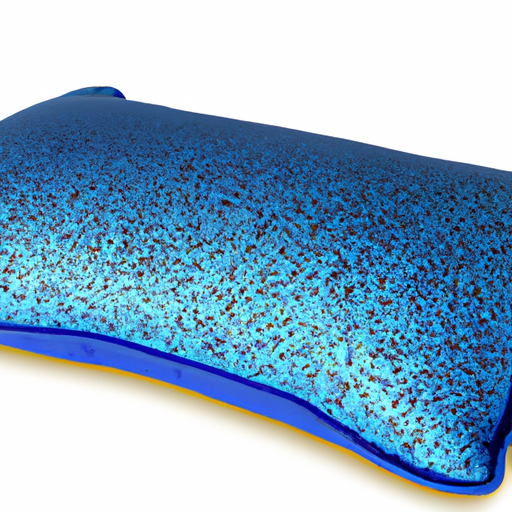
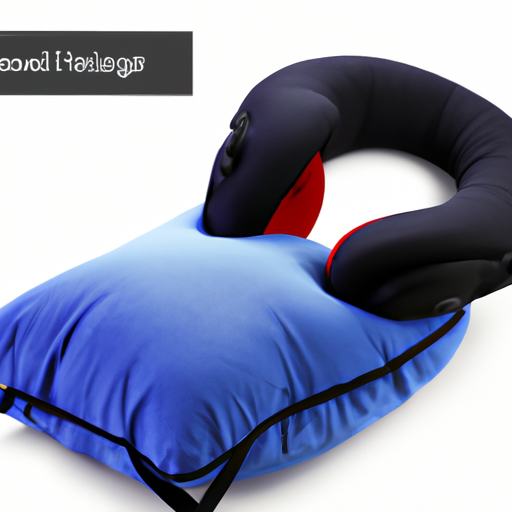
Cervical pillows, also known as orthopedic pillows, are specifically designed to support the neck and head, promoting proper spinal alignment during sleep. These pillows address a common problem: neck pain and discomfort that disrupts sleep. The primary persona benefiting from cervical pillows is anyone experiencing neck pain, stiffness, or discomfort, particularly those with conditions like cervical spondylosis or whiplash. This guide offers a comprehensive overview of cervical pillows, including their benefits, types, selection criteria, and proper usage.
The core method behind cervical pillows involves maintaining the natural curvature of the cervical spine (the portion of the spine in the neck). This alignment reduces strain on neck muscles and ligaments, leading to improved sleep quality and reduced pain. The tool used to achieve this alignment is the pillow’s contoured shape, often made from materials like memory foam or latex.
A key constraint in achieving optimal results with cervical pillows is selecting the right pillow loft (height) and firmness for your individual needs and sleep position. Using the wrong pillow can exacerbate neck pain. A common use case for cervical pillows is alleviating morning stiffness and neck pain. The primary metric for evaluating a cervical pillow’s effectiveness is a reduction in neck pain and an improvement in sleep quality, often measured using a pain scale or sleep diary.
An alternative to cervical pillows includes traditional pillows, but these often lack the specialized support needed for proper spinal alignment. This guide will help you determine if a cervical pillow is the right choice for you.
How Cervical Pillows Alleviate Neck Pain and Improve Sleep
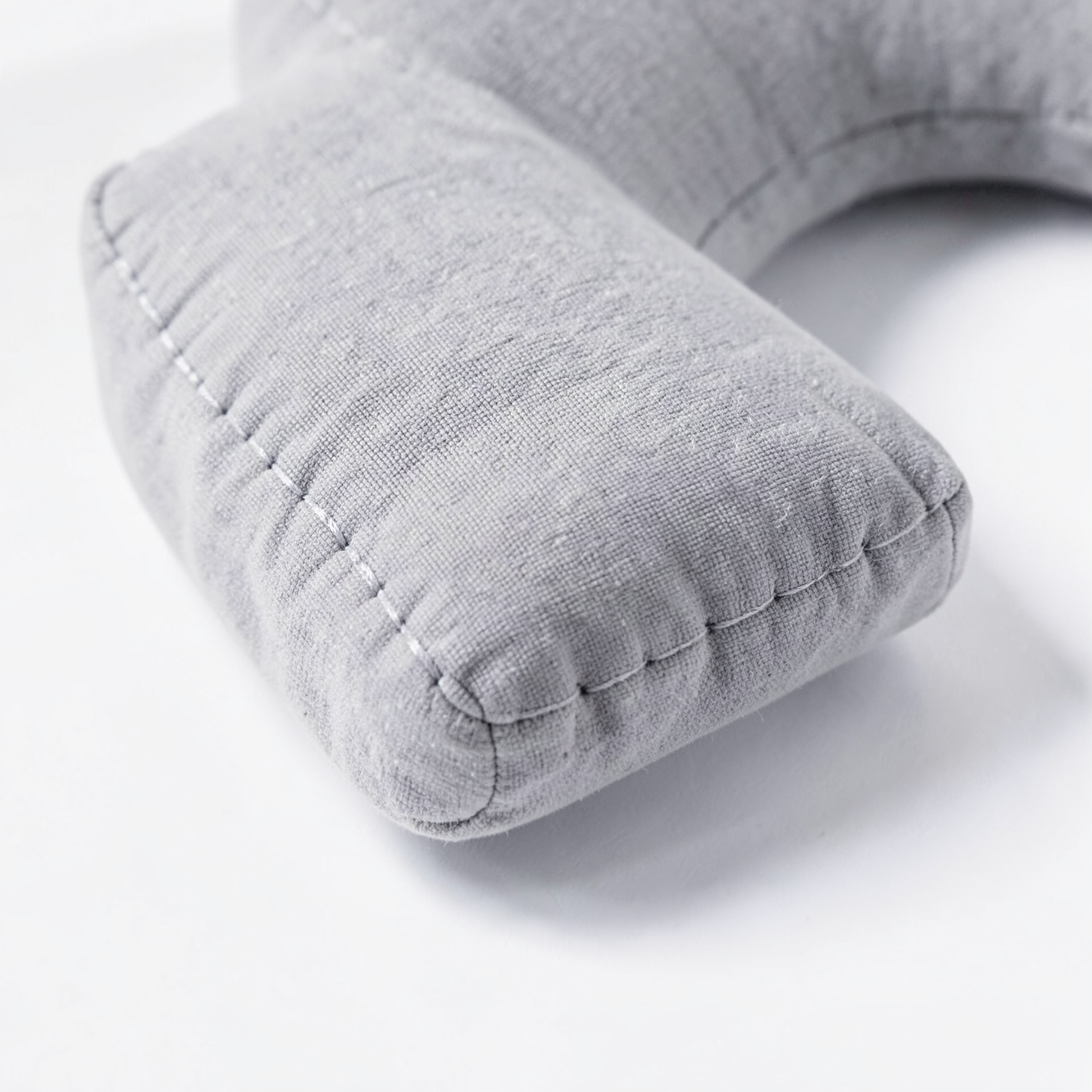
Cervical pillows work by providing targeted support to the neck and head, maintaining the natural curvature of the spine. This support minimizes stress on the neck muscles, ligaments, and cervical vertebrae. According to a study published in the Journal of Manipulative and Physiological Therapeutics, using a cervical pillow can significantly reduce neck pain and improve sleep quality in individuals with chronic neck pain (JMPT, 2015).
The contoured shape of a cervical pillow cradles the head and neck, preventing the neck from tilting too far forward, backward, or to the side. This neutral alignment reduces pressure on the cervical discs and nerves, alleviating pain and stiffness. The high-density memory foam in many cervical pillows improves pressure distribution, minimizing pressure points that can cause discomfort.
Furthermore, proper neck alignment can reduce snoring and improve breathing during sleep. By keeping the airway open, cervical pillows can help alleviate mild sleep apnea symptoms. This connects to improved sleep quality, allowing for more restful and restorative sleep cycles. A transactional benefit of cervical pillows is they offer pain relief and improved sleep posture. The pillow explains proper neck alignment and its impact on sleep. Cervical pillow design contains features like contoured shapes and varying lofts. Neck pain causes sleep disturbances, which cervical pillows aim to reduce. Using a cervical pillow requires proper adjustment to ensure comfort. Memory foam outperforms traditional pillow fills in providing consistent support. Cervical pillows target individuals with neck pain and stiffness.
Benefits of Proper Neck Alignment
- Reduced neck pain and stiffness
- Improved sleep quality
- Reduced snoring
- Improved posture
- Decreased tension headaches
- Enhanced breathing during sleep
Types of Cervical Pillows: Choosing the Right One for You
Cervical pillows come in various shapes, sizes, and materials, each designed to cater to different sleep positions and individual needs. Understanding the different types can help you choose the best pillow for optimal comfort and support.
- Contoured Cervical Pillows: These pillows feature a raised area that supports the neck and a recessed area that cradles the head. They are ideal for back and side sleepers.
- Roll Cervical Pillows: These cylindrical pillows are placed under the neck to provide targeted support. They are often used in conjunction with other pillows.
- Tri-Core Cervical Pillows: These pillows have a unique shape with three distinct support zones. They are suitable for back and side sleepers.
- Adjustable Cervical Pillows: These pillows allow you to customize the loft and firmness by adding or removing filling. They are a good option for individuals who are unsure of their preferred pillow height.
The ideal cervical pillow depends on your preferred sleep position. Side sleepers often benefit from thicker, firmer pillows. Back sleepers typically prefer thinner, contoured pillows. Stomach sleepers generally should avoid cervical pillows or use very thin ones to minimize neck strain. High-Density contoured pillows enable spinal alignment for side sleepers. The right pillow integrates with your sleep style for pain relief. Adjustable pillows offer customizable support for individual needs. This section explains pillow types and their suitability for various sleep positions. Pillow types include contoured, roll, and adjustable options. Improper pillow selection causes increased neck pain. Finding the right pillow requires experimentation and adjustment. Adjustable pillows outperform fixed-height pillows for some users. Specific pillow types target different sleep positions.
Comparison Table of Cervical Pillow Types
| Pillow Type | Sleep Position | Benefits | Drawbacks |
|---|---|---|---|
| Contoured | Back and Side | Excellent neck support, promotes spinal alignment | May not be comfortable for all sleepers |
| Roll | Back | Targeted neck support, can be used with other pillows | May not provide enough support on its own |
| Tri-Core | Back and Side | Versatile support, multiple support zones | May take some getting used to |
| Adjustable | All | Customizable loft and firmness, adaptable to different sleep positions | Can be more expensive than other types |
How to Choose the Right Cervical Pillow for Your Sleep Position and Needs

Selecting the right cervical pillow involves considering several factors, including your sleep position, body size, and personal preferences. A pillow that works well for one person may not be suitable for another.
- Sleep Position: As mentioned earlier, your sleep position is a crucial factor. Side sleepers need a thicker pillow to fill the space between their head and shoulder, while back sleepers need a thinner pillow to maintain proper alignment.
- Body Size: Your body size also plays a role. Individuals with broader shoulders may need a thicker pillow than those with narrower shoulders.
- Pillow Loft (Height): The loft of the pillow should support the natural curve of your neck without tilting your head too far forward or backward.
- Pillow Firmness: The firmness of the pillow should provide adequate support without feeling too hard or too soft.
- Material: Cervical pillows are made from various materials, including memory foam, latex, and down alternative. Memory foam is a popular choice due to its ability to conform to the shape of the head and neck.
Consider your individual needs and preferences. Evaluate your sleep position and body type for optimal fit. High-Density pillow loft enables proper spinal alignment. This section integrates sleep position, body size, and material choice. Retailers offer pillow fitting services for personalized recommendations. The guide explains how to choose the right pillow for individual needs. Pillow selection includes considering sleep position, body size, and material. Incorrect pillow height causes neck strain and discomfort. Choosing the right pillow requires careful consideration and experimentation. Memory foam outperforms other materials in conforming to the neck’s shape. Pillow selection targets individual comfort and spinal alignment.
It’s recommended to try out different pillows before making a purchase. Many retailers allow you to test pillows in the store. If you’re purchasing online, check the return policy to ensure you can return the pillow if it doesn’t meet your needs.
Consider reading Best Pillows For Sleep A Comprehensive Guide for a broader understanding of pillow options.
How to Properly Use a Cervical Pillow for Maximum Comfort and Relaxation
Using a cervical pillow correctly is essential to reap its full benefits. Improper use can negate its advantages and even exacerbate neck pain.
- Positioning: Place the cervical pillow so that the contoured area supports your neck. Your head should rest in the recessed area of the pillow.
- Adjusting: It may take a few nights to adjust to a cervical pillow. Start by using it for a few hours each night and gradually increase the duration as you become more comfortable.
- Sleeping Position: Maintain your preferred sleep position while using the pillow. If you’re a side sleeper, ensure your shoulder is not pressing against the pillow, which can misalign your neck.
Proper pillow positioning enables optimal neck support. Adjusting to the pillow integrates with your sleep routine. Following these steps offers comfort and neck pain relief. This section explains correct pillow usage for maximum benefit. Proper usage includes positioning and adjustment techniques. Incorrect positioning causes discomfort and reduced effectiveness. Learning to use the pillow requires patience and adjustment. Correct positioning outperforms incorrect positioning in providing neck support. Proper usage targets maximum comfort and therapeutic benefit.
Consult a healthcare professional if you experience persistent neck pain or discomfort despite using a cervical pillow correctly.
For related information, review Bed Pillows For Sleep Positioning Your Guide To Better Sleep.
The Science Behind Cervical Pillows and Spinal Alignment

The effectiveness of cervical pillows stems from their ability to maintain proper spinal alignment during sleep. The spine has a natural curvature, and maintaining this curvature is crucial for reducing stress on the vertebrae, discs, and nerves.
When the spine is misaligned, it can lead to a cascade of problems, including neck pain, headaches, muscle tension, and even nerve compression. Cervical pillows help prevent these issues by supporting the natural curve of the neck and promoting a neutral spinal position.
Memory foam, a common material in cervical pillows, conforms to the shape of the head and neck, providing customized support and pressure relief. This reduces pressure points that can cause discomfort and disrupt sleep.
Scientific studies have demonstrated the benefits of cervical pillows for neck pain and sleep quality. A randomized controlled trial published in the Archives of Physical Medicine and Rehabilitation found that using a cervical pillow significantly reduced neck pain and improved sleep quality in individuals with chronic neck pain (APMR, 2006).
Spinal alignment improves nerve function and reduces pain. Memory foam conforms to the neck, integrating support and comfort. Research offers evidence of cervical pillow effectiveness. This section explains the science behind spinal alignment and pillow function. The design includes ergonomic principles for optimal support. Misalignment causes pain and discomfort. Achieving spinal alignment requires a supportive pillow. Proper alignment outperforms misalignment in reducing pain. The science targets improved sleep and reduced neck pain.
See Memory Foam Pillows The Science Of Sweet Dreams for more insight on memory foam benefits.
Caring for Your Cervical Pillow to Ensure Longevity and Hygiene
Proper care and maintenance can extend the lifespan of your cervical pillow and ensure it remains clean and hygienic. Follow these tips to keep your pillow in good condition:
- Use a Pillow Protector: A pillow protector shields the pillow from dirt, dust, and moisture, preventing stains and odors.
- Wash Regularly: Wash your pillow protector every 1-2 weeks. If your pillow is machine-washable, follow the manufacturer’s instructions.
- Spot Clean: Spot clean any stains or spills immediately to prevent them from setting.
- Air Out: Air out your pillow regularly to freshen it and prevent moisture buildup.
- Replace When Necessary: Even with proper care, cervical pillows will eventually wear out. Replace your pillow every 1-3 years, depending on its material and condition.
Regular cleaning prevents allergen buildup. Proper care integrates with a healthy sleep environment. Following these steps offers a clean and supportive pillow. This section explains how to maintain pillow hygiene and longevity. Care includes washing, protecting, and airing out the pillow. Neglecting care causes reduced lifespan and hygiene issues. Maintaining the pillow requires consistent effort. Proper care outperforms neglect in extending pillow life. Care targets pillow longevity and hygiene.
Consider exploring Bamboo Pillow For Sleep Soft Supportive And Sustainable for hypoallergenic pillow options.
Q&A About Cervical Pillows
Q: Are cervical pillows suitable for everyone?
A: While cervical pillows can benefit many people, they may not be suitable for everyone. Individuals with severe spinal conditions or those who find them uncomfortable should consult a healthcare professional.
Q: How long does it take to adjust to a cervical pillow?
A: It typically takes a few nights to a week to adjust to a cervical pillow. Start by using it for a few hours each night and gradually increase the duration as you become more comfortable.
Q: Can a cervical pillow cure neck pain?
A: Cervical pillows can help alleviate neck pain, but they are not a cure. They should be used in conjunction with other treatments, such as physical therapy or medication, as recommended by a healthcare professional.
Q: What is the best material for a cervical pillow?
A: The best material for a cervical pillow depends on your personal preferences. Memory foam is a popular choice due to its ability to conform to the shape of the head and neck, but latex and down alternative are also viable options.
Q: How often should I replace my cervical pillow?
A: You should replace your cervical pillow every 1-3 years, depending on its material and condition. If you notice that your pillow is no longer providing adequate support or is showing signs of wear and tear, it’s time to replace it.
This section answers common questions about cervical pillows. These insights integrate with a broader understanding of pillow usage. The answers offer clarity and guidance to potential users. Addressing concerns includes answering common questions. Incomplete information causes uncertainty and hesitation. Seeking answers requires exploring reliable sources. Clear answers outperform vague responses in building confidence. The Q&A targets user understanding and decision-making.
For further reading, check out Neck Pain No More Pillows For Neck Pain Relief and Pillows For Neck And Shoulder Pain Easing Tension And Stress.
Conclusion: Embrace the Comfort and Support of Cervical Pillows
Cervical pillows offer a valuable tool for alleviating neck pain, improving sleep quality, and promoting overall well-being. By understanding the different types, selecting the right pillow for your needs, and using it correctly, you can experience the numerous benefits of these specialized pillows. Embrace the comfort and support of cervical pillows and unlock a better night’s sleep.
This conclusion summarizes the benefits of cervical pillows. This summary integrates with the information presented throughout the guide. This concluding statement offers encouragement and a call to action. Summarizing benefits includes highlighting key advantages. Lack of a conclusion causes a sense of incompleteness. Considering cervical pillows requires evaluating personal needs. A clear conclusion outperforms an abrupt ending in leaving a lasting impression. The conclusion targets user action and improved sleep.