Introduction to Bamboo Pillows: Soft, Supportive, and Sustainable Sleep Solutions
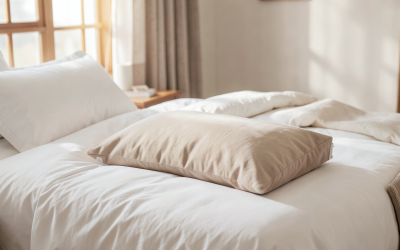
Bamboo pillows are gaining popularity as consumers prioritize comfort, support, and sustainability in their sleep products. These pillows combine bamboo fibers with materials like memory foam to offer a unique sleep experience. Bamboo, a rapidly renewable resource, aligns with eco-conscious values. Furthermore, bamboo pillows often exhibit hypoallergenic and dust mite-resistant properties, making them suitable for allergy sufferers. The breathability and temperature regulation of bamboo fibers contribute to a cooler, more comfortable sleep environment. This combination of benefits positions bamboo pillows as a compelling choice for individuals seeking improved sleep quality.
- Bamboo fibers provide softness to bamboo pillows.
- Memory foam adds support to bamboo pillows.
- Bamboo represents a sustainable resource for eco-friendly products.
- Bamboo pillows resist dust mites effectively.
- Bamboo fibers regulate temperature during sleep.
How Bamboo Pillows Enhance Sleep Quality
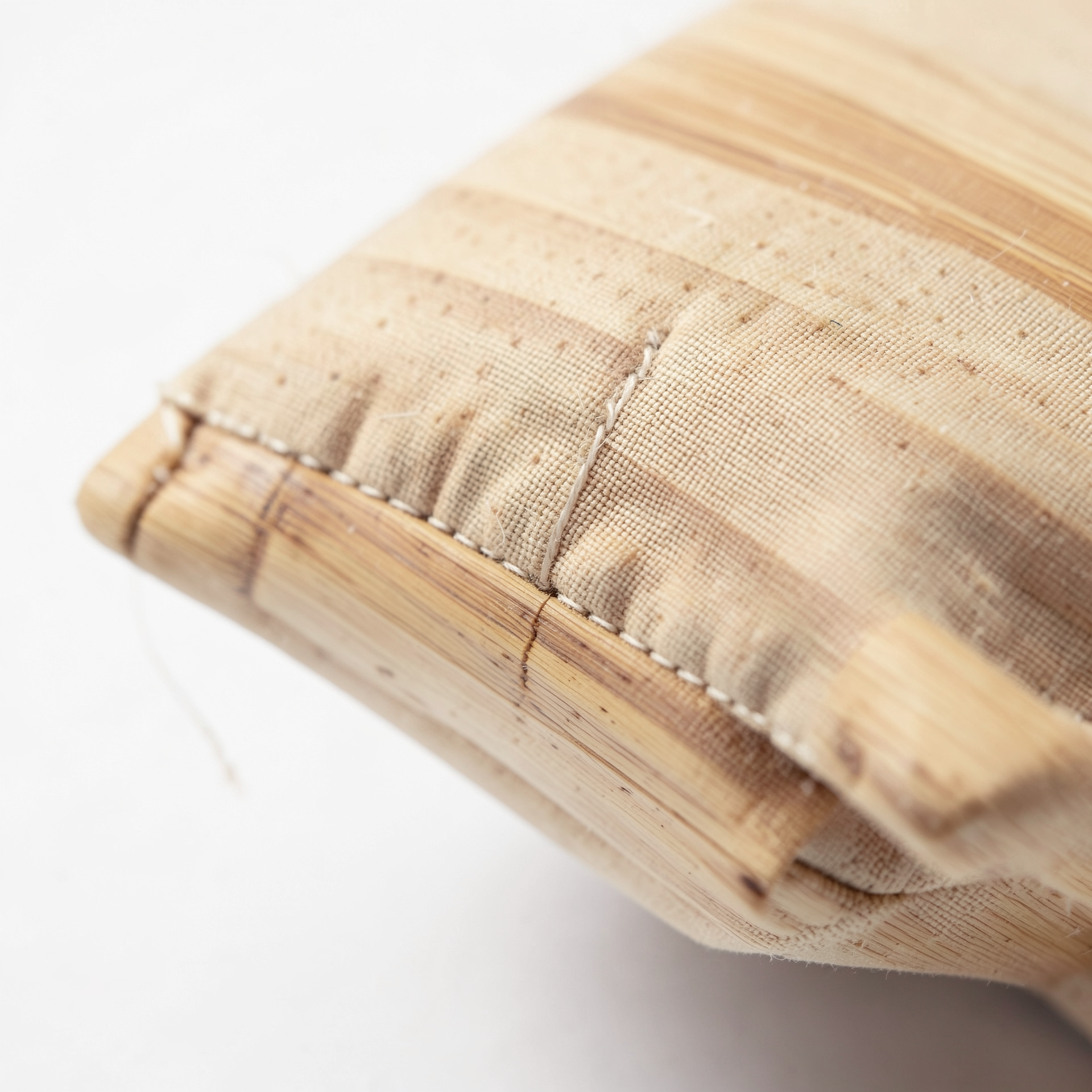
Optimal sleep is crucial for overall health and well-being. Discomfort from inadequate pillows is a common barrier to restful sleep. Bamboo pillows offer a potential solution by providing both comfort and support. These pillows typically blend bamboo fibers with polyester, creating a balance between plushness and structural integrity. The bamboo fibers contribute a soft feel, while polyester maintains the pillow’s shape. This combination caters to individuals who require both comfort and support during sleep. The hypoallergenic nature of bamboo fibers also benefits allergy sufferers, as they naturally resist dust mites, mold, and mildew. The breathability of bamboo further promotes a cool and comfortable sleep experience. Moreover, bamboo pillows exhibit durability, ensuring long-term use with proper care. Their machine-washable design simplifies maintenance.
- Good sleep contributes positively to overall health.
- Uncomfortable pillows disrupt sleep quality.
- Bamboo pillows offer comfort and support during sleep.
- Polyester helps maintain shape of bamboo pillows.
- Bamboo fibers resist dust mites naturally.
- Bamboo material breathes well for comfortable sleep.
- Bamboo pillows boast durability over time.
- Consumers wash bamboo pillows in machines.
The Health Benefits of Bamboo Pillows for Restful Sleep
Prioritizing sleep is fundamental for maintaining good health and overall wellness. Discomfort caused by unsuitable pillows can significantly hinder sleep quality. Bamboo pillows are gaining recognition for their ability to provide a comfortable and supportive sleep surface, thereby promoting healthier sleep patterns. Often crafted from a blend of bamboo fibers and materials like polyester or cotton, these pillows leverage the breathability of bamboo fibers to facilitate air circulation and maintain a cool pillow temperature. This feature helps to minimize night sweats and prevent overheating. The natural hypoallergenic properties of bamboo fibers make these pillows an excellent choice for individuals with allergies or sensitive skin. Furthermore, bamboo pillows are engineered to deliver superior support by conforming to the contours of the head and neck, striking a harmonious balance between comfort and support. This design helps alleviate neck and shoulder pain and reduces the likelihood of headaches.
- Good sleep supports overall wellness directly.
- Unsuitable pillows impede sleep quality significantly.
- Bamboo pillows create comfortable sleep surfaces.
- Bamboo fibers breathe for cooler pillow temperature.
- Hypoallergenic material benefits sensitive skin.
- Bamboo pillows conform to head and neck contours.
- Proper support reduces neck and shoulder pain.
- Bamboo pillows are popular among consumers.
Bamboo Pillows: An Eco-Friendly Sleep Solution
The growing interest in bamboo pillows stems from their environmentally friendly attributes. Bamboo is a sustainable resource cultivated without the need for pesticides or fertilizers, making it an appealing option for consumers seeking to minimize their environmental footprint. In addition to its sustainability, bamboo possesses natural hypoallergenic and antimicrobial properties, making it a suitable choice for individuals with allergies or sensitive skin. Bamboo pillows also stand out for their durability and longevity. Unlike conventional pillows that typically require replacement every few years, bamboo pillows can last for up to a decade. This extended lifespan translates to reduced waste and fewer replacements. Comfort is another key feature of bamboo pillows. The natural breathability and moisture-wicking capabilities of bamboo make it an excellent choice for individuals prone to overheating during sleep. Many bamboo pillows incorporate shredded memory foam, enhancing support and comfort. Finally, bamboo pillows offer affordability. As a relatively inexpensive material, bamboo contributes to a lower price point compared to traditional pillows, making them an accessible and eco-conscious choice for budget-minded consumers.
- Bamboo pillows appeal to eco-conscious consumers.
- Bamboo grows without pesticides or fertilizers.
- Bamboo pillows benefit individuals with allergies.
- Bamboo pillows last longer than traditional pillows.
- Bamboo wicks moisture effectively.
- Memory foam increases pillow support.
- Bamboo is a relatively inexpensive material.
- Bamboo pillows represent an affordable choice for consumers.
Selecting the Ideal Bamboo Pillow for Your Sleep Requirements
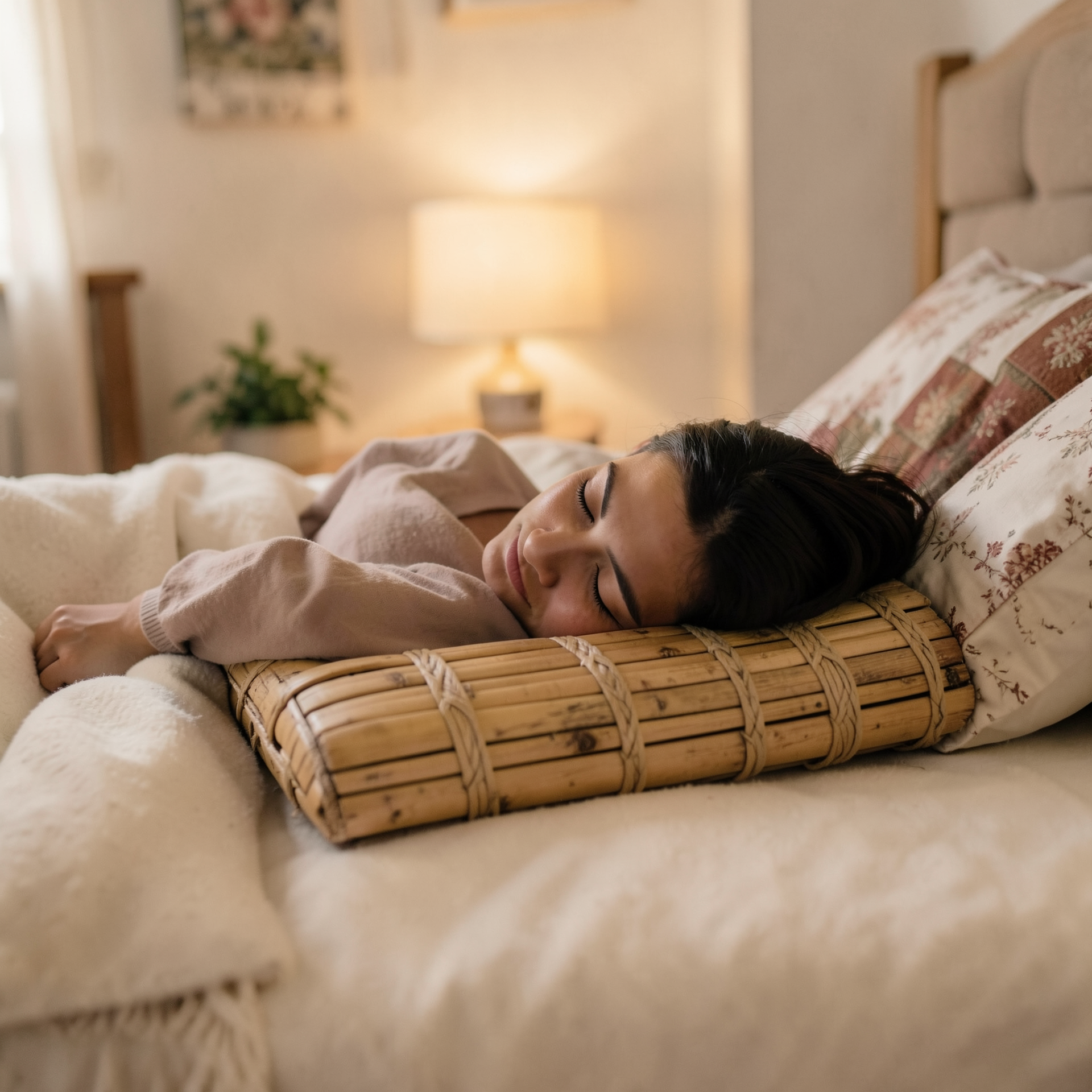
When selecting a pillow, bamboo pillows are a popular option due to their numerous benefits. Constructed from a combination of bamboo-derived rayon and polyester fibers, these pillows offer a range of advantages that cater to diverse sleep preferences. Begin by assessing your support needs. Bamboo pillows are available in various shapes and sizes, allowing you to find one that provides adequate support for your neck and head. Side sleepers, for instance, may benefit from a pillow with a higher loft to offer additional cushioning for the neck and shoulders. Next, consider your preferred firmness level. Bamboo pillows are offered in a spectrum of firmness options, ranging from soft to extra firm. Stomach sleepers might prefer a softer pillow to minimize pressure on the neck and shoulders, while back sleepers may opt for a firmer pillow for enhanced support. Also, evaluate the temperature regulation features of the pillow. Bamboo pillows are inherently breathable and temperature-regulating, promoting a cool and comfortable sleep environment. Look for pillows with a cooling gel layer or a breathable cover to further enhance comfort. Lastly, factor in the price. While bamboo pillows may be more expensive than traditional pillows, they can be a worthwhile investment for those seeking superior comfort and support. Consider exploring options like Cooling Pillows for enhanced temperature regulation.
- Bamboo pillows benefit various sleep preferences.
- Side sleepers need pillows with higher loft.
- Stomach sleepers prefer softer pillows.
- Back sleepers require firmer pillows.
- Bamboo pillows regulate temperature during sleep.
- Cooling gel enhances pillow comfort.
- Bamboo pillows represent a worthwhile investment.
The Science Behind Bamboo Pillows and Enhanced Sleep Quality
The benefits of bamboo pillows extend beyond anecdotal evidence; scientific principles underpin their positive impact on sleep quality. The breathability of bamboo fibers is a key factor. Microscopic gaps within the fibers allow for superior air circulation compared to traditional pillow materials like cotton or synthetic fills. This enhanced airflow promotes temperature regulation, preventing heat buildup and reducing the likelihood of night sweats, a common disruptor of sleep. Furthermore, the hypoallergenic properties of bamboo fibers contribute to a healthier sleep environment. Bamboo naturally resists dust mites, mold, and mildew, common allergens that can trigger respiratory issues and disrupt sleep. By minimizing exposure to these allergens, bamboo pillows create a more conducive environment for restful sleep. The structure of bamboo fibers also plays a role in providing optimal support. The fibers exhibit a natural resilience, conforming to the contours of the head and neck to provide customized support and pressure relief. This can help alleviate neck pain and stiffness, promoting proper spinal alignment and reducing discomfort that can interfere with sleep. Individuals experiencing neck pain may also want to consider a Cervical Pillow.
- Bamboo pillows impact sleep quality positively.
- Bamboo fibers breathe better than cotton.
- Airflow regulates temperature effectively.
- Bamboo resists dust mites naturally.
- Allergens disrupt sleep significantly.
- Bamboo fibers contour to head and neck shapes.
- Proper alignment reduces neck pain.
Caring for Your Bamboo Pillow: Maintaining Comfort and Support
Proper care is essential to maximize the lifespan and maintain the comfort and support of your bamboo pillow. While specific care instructions may vary depending on the pillow’s construction and filling, some general guidelines apply. First, always refer to the manufacturer’s instructions for washing and drying. Many bamboo pillows are machine washable, but it’s crucial to use a gentle cycle and mild detergent to avoid damaging the fibers. Avoid using bleach or fabric softeners, as these can degrade the bamboo fibers and reduce their effectiveness. When drying, tumble dry on low heat or air dry the pillow completely to prevent mold growth. Fluffing the pillow regularly will help maintain its shape and prevent clumping of the filling. You can fluff the pillow by hand or place it in the dryer on a no-heat cycle with dryer balls. Consider using a pillow protector to shield the pillow from stains, spills, and dust mites. A pillow protector can be easily removed and washed, extending the life of your bamboo pillow. Regularly airing out your bamboo pillow can also help maintain its freshness. Simply remove the pillow from its pillowcase and place it in a well-ventilated area for a few hours. This will help remove any moisture or odors that may have accumulated. For individuals who prefer sleeping on their sides, Side Sleeper Pillows may be a better option.
- Proper care extends bamboo pillow lifespan.
- Manufacturers provide washing instructions.
- Gentle cycles prevent fiber damage.
- Bleach degrades bamboo fibers.
- Low heat prevents mold growth.
- Fluffing maintains pillow shape.
- Pillow protectors shield from stains.
- Airing maintains pillow freshness.
The Pros and Cons of Bamboo Pillows for All Sleepers

Bamboo pillows, like any sleep product, have advantages and disadvantages that may appeal to different sleepers. Understanding these pros and cons can help you make an informed decision about whether a bamboo pillow is right for you.
Pros:
- Comfort and Support: Bamboo pillows often provide a good balance of softness and support, conforming to the head and neck for customized comfort.
- Breathability: The natural breathability of bamboo fibers promotes airflow, helping to regulate temperature and prevent overheating during sleep.
- Hypoallergenic: Bamboo is naturally resistant to dust mites, mold, and mildew, making bamboo pillows a good choice for allergy sufferers.
- Sustainability: Bamboo is a rapidly renewable resource, making bamboo pillows an eco-friendly option.
- Durability: Bamboo fibers are strong and resilient, contributing to the pillow’s longevity.
Cons:
- Price: Bamboo pillows can be more expensive than traditional pillows.
- Maintenance: Some bamboo pillows may require special care when washing and drying.
- Firmness: The firmness level of bamboo pillows may not be suitable for all sleepers. Some may find them too soft or too firm.
- Odor: Some bamboo pillows may have a slight odor when new, which typically dissipates over time.
- Filling Shift: The filling in some bamboo pillows may shift or clump over time, requiring occasional fluffing.
Considering your individual sleep preferences and needs is essential when weighing the pros and cons of bamboo pillows. For a comprehensive guide, explore Best Pillows for Sleep.
- Bamboo pillows provide comfort and support during sleep.
- Bamboo fibers regulate temperature effectively.
- Hypoallergenic properties benefit allergy sufferers.
- Bamboo represents a sustainable resource for pillows.
- Bamboo fibers contribute to pillow durability.
- Bamboo pillows can be more expensive than traditional pillows.
- Firmness levels vary among bamboo pillows.
Q&A: Addressing Common Questions About Bamboo Pillows
Q: Are bamboo pillows suitable for people with allergies?
A: Yes, bamboo pillows are generally a good choice for people with allergies. Bamboo fibers are naturally hypoallergenic and resistant to dust mites, mold, and mildew, common allergens that can trigger allergic reactions. However, it’s essential to check the filling material, as some bamboo pillows may contain other materials that could be allergenic.
Q: How do I wash and dry my bamboo pillow?
A: Always refer to the manufacturer’s instructions for specific washing and drying recommendations. In general, most bamboo pillows can be machine washed on a gentle cycle with mild detergent. Avoid using bleach or fabric softeners. Tumble dry on low heat or air dry completely to prevent mold growth.
Q: How long do bamboo pillows last?
A: With proper care, bamboo pillows can last for several years, typically ranging from 2 to 5 years, or even longer. The durability of bamboo fibers contributes to the pillow’s longevity. However, the lifespan can also depend on the quality of the materials and the frequency of use.
Q: Are bamboo pillows cooling?
A: Yes, bamboo pillows are known for their cooling properties. The breathability of bamboo fibers allows for good air circulation, which helps to regulate temperature and prevent overheating during sleep. This can be especially beneficial for hot sleepers or those who live in warm climates.
Q: What are the different types of bamboo pillow fillings?
A: Bamboo pillows can be filled with various materials, including shredded memory foam, down alternative fibers, or a combination of both. Shredded memory foam provides good support and contouring, while down alternative fibers offer a softer and more plush feel. The choice of filling depends on your personal preferences and sleep needs.
- Bamboo pillows suit people with allergies.
- Bamboo fibers resist dust mites and mold.
- Manufacturers provide washing instructions.
- Proper care extends pillow lifespan.
- Bamboo pillows provide cooling properties.
- Memory foam provides good support.
Conclusion: Embracing the Comfort and Sustainability of Bamboo Pillows
Bamboo pillows offer a compelling blend of comfort, support, and sustainability, making them an attractive option for individuals seeking to enhance their sleep quality and reduce their environmental impact. The natural breathability and hypoallergenic properties of bamboo fibers contribute to a healthier and more comfortable sleep environment. While bamboo pillows may require a slightly higher initial investment compared to traditional pillows, their durability and longevity can make them a worthwhile long-term investment. By carefully considering your individual sleep needs and preferences, you can select a bamboo pillow that provides the optimal level of comfort and support for a restful and rejuvenating night’s sleep. The benefits of bamboo pillows extend beyond personal comfort, aligning with a growing desire for eco-conscious products that minimize environmental impact. By choosing bamboo pillows, consumers can contribute to a more sustainable future while enjoying a superior sleep experience.
- Bamboo pillows enhance sleep quality effectively.
- Bamboo reduces environmental impact significantly.
- Bamboo fibers breathe well and are hypoallergenic.
- Durability justifies higher investment.
- Sleep needs dictate bamboo pillow choice.
- Consumers contribute to sustainability through purchases.