
Getting ready for school can feel like a big task, right? Between picking out new clothes and stocking up on supplies, the costs can really add up. Plus, trying to remember everything your kid needs can be a headache. But it doesn’t have to be a chaotic mess. With some smart planning and a few simple tricks, you can make your back to school shopping experience way less stressful and a lot easier on your wallet. Let’s get your kids ready for learning without all the fuss.
Key Takeaways
- Start by checking what you already have at home. You might be surprised by how many school supplies or clothes from last year are still perfectly good to use.
- Make a detailed list of exactly what your kids need and set a budget for each item before you even start shopping. This helps avoid buying things you don’t really need.
- Look for ways to save money. This includes using coupons, signing up for store loyalty programs, shopping during tax-free weekends, and checking out discount stores.
- Consider involving your kids by giving them a small budget for extras. This teaches them about money and makes them feel part of the process.
- Don’t feel like you have to buy everything at once. Spreading out your purchases over a few weeks, especially waiting for sales on seasonal items, can save you money.
Mastering Your Back-to-School Shopping List
Okay, let’s talk about getting that school shopping list sorted without losing your mind. It sounds simple, right? Just make a list. But honestly, it’s the first big step to actually saving time and money. If you just wing it, you’ll end up with a cart full of stuff you don’t need and a nagging feeling you forgot something important.
Inventory What You Already Own
Before you even think about hitting the stores or clicking ‘add to cart,’ grab a big box or a laundry basket and start digging through last year’s school stuff. Seriously, you’d be surprised what you find. Those half-used notebooks, perfectly good binders, maybe even a backpack that’s still in decent shape. Don’t forget about clothes, too. Kids grow like weeds, but sometimes they outgrow things before they even get worn out. Check their closets for items that still fit and are appropriate for school.
- Check backpacks and lunch bags for wear and tear.
- Go through pencil cases for usable pens, pencils, and erasers.
- Sort through clothing for items that still fit and are in good condition.
Create a Detailed Needs List
Once you know what you’ve got, it’s time to figure out what you actually need. This is where you’ll want to be specific. Instead of just writing ‘notebooks,’ jot down ‘2 college-ruled spiral notebooks’ or ‘1 three-ring binder, 1-inch.’ This level of detail helps prevent impulse buys and ensures you’re getting exactly what’s required. Think about all the categories: supplies, clothing, shoes, and any specific gear for sports or clubs.
Clarify School Supply Requirements
This is a big one that often gets overlooked. Every school, and sometimes every teacher, has a specific list. Don’t just assume. If the list says ‘folders,’ does it mean two-pocket? With or without brads? Sometimes, teachers are okay with substitutions or have suggestions. It’s totally fine to send a quick email or make a phone call to the school office or the teacher if you’re unsure about something. Getting clarification can save you from buying unnecessary items or the wrong kind of item. It’s better to ask than to buy something that will just sit in the supply closet.
A little bit of upfront checking can save a lot of hassle and money down the road. Knowing exactly what’s needed and what you already have is the foundation for stress-free shopping.
Strategic Budgeting for Back-to-School Shopping
Okay, let’s talk money. Back-to-school shopping can feel like a black hole for your wallet, but it doesn’t have to be. The key is to get smart about where your money is going before you even step into a store or click ‘add to cart’.
Set Realistic Spending Limits Per Category
This is where you get down to brass tacks. Before you buy a single pencil or pair of shoes, figure out how much you can realistically spend. Break it down. How much for clothes? How much for supplies? What about new shoes or a backpack? Having these numbers in front of you helps prevent impulse buys that can wreck your budget. It’s like giving yourself a roadmap for your spending.
Here’s a simple way to think about it:
| Category | Allocated Budget |
|---|---|
| Clothing | $XXX |
| School Supplies | $XXX |
| Shoes | $XXX |
| Backpack/Lunch | $XXX |
| Miscellaneous | $XXX |
| Total | $XXXX |
Prioritize Essential Purchases
Not everything on the school supply list is created equal. Some things are absolute must-haves, while others are nice-to-haves or might even be provided by the school. Take a good look at the school’s requirements. Do they really need 12 different colored pens, or will a basic pack do? Focus your budget on the items that are non-negotiable for your child to start school. Things like sturdy shoes, a reliable backpack, and the core supplies are usually top of the list. You can always add fun extras later if the budget allows.
Always double-check the school’s official supply list. Sometimes teachers have specific brands or types of items they prefer, but other times, they’re just suggestions. A quick email to the teacher can save you money and prevent buying something that won’t be used.
Incorporate a Savings Plan
This isn’t just about spending less; it’s about planning ahead. If you know back-to-school shopping is a big expense every year, start saving a little bit each month. Even setting aside $20 or $50 a month can make a huge difference by the time August rolls around. Think of it as a dedicated ‘school fund.’ This way, you’re not scrambling to find the cash all at once, and you’re less likely to dip into money meant for other bills. It makes the whole process feel less like a financial emergency and more like a planned event.
Smart Shopping Tactics for School Essentials
Okay, let’s talk about actually getting the stuff you need without losing your mind or your wallet. Back-to-school shopping can feel like a marathon, but there are definitely ways to make it more efficient. It’s all about being a bit strategic.
Leverage Online Comparison Tools
Before you even think about clicking "buy" or heading to the store, do yourself a favor and use online comparison tools. These websites and apps let you see prices for the same item across different retailers. It’s a quick way to spot the best deal. Seriously, why pay more when you don’t have to? This simple step can save you a surprising amount of money. You can compare prices for everything from backpacks to basic notebooks. It’s like having a personal shopper who only cares about finding you the lowest price.
Sign Up for Store Loyalty Programs and Alerts
Most big retailers have loyalty programs, and signing up is usually free. You often get a discount just for joining, and then you start earning points or getting special member-only deals. Plus, many stores will send out emails or app notifications about upcoming sales. It’s a good way to stay in the loop about discounts you might otherwise miss. Think of it as getting insider information on sales before anyone else. You can also follow your favorite stores on social media for flash sales or special coupon codes.
Explore Discount Retailers and Dollar Stores
Don’t overlook the places that specialize in lower prices. Discount retailers and dollar stores can be goldmines for school supplies. You might find basic items like pens, pencils, folders, and even some craft supplies for a fraction of what you’d pay elsewhere. Just be sure to check the quality – sometimes the cheapest option isn’t the best value if it falls apart after a week. But for things like glue sticks or extra notebooks, they’re often a fantastic deal. It’s worth a dedicated trip to see what they have. You might be surprised at the useful items you can find for just a dollar or two, making it easier to stock up on school supplies without breaking the bank.
Maximizing Savings During Back-to-School Season
Okay, so back-to-school shopping can feel like a money pit, right? But it doesn’t have to be. There are definitely ways to stretch your dollar and get what you need without breaking the bank. It just takes a little planning and knowing where to look.
Take Advantage of Tax-Free Weekends
This is a big one, folks. Many states have specific weekends where you don’t have to pay sales tax on certain items, and back-to-school is a prime time for this. We’re talking clothes, shoes, and sometimes even school supplies. It might not sound like a lot per item, but when you’re buying a whole wardrobe or a stack of notebooks, those savings add up fast. Keep an eye on your state’s official website for the exact dates – they usually happen in August. It’s a simple way to shave off a good chunk of your total bill.
Wait for Post-Holiday Sales
I know, I know, school is starting soon, and you need stuff now. But hear me out. If you can hold off on buying things like sweaters, jackets, or even some of the trendier school supplies, you can often snag them for way less after major holidays like Labor Day. Stores know people are still thinking about back-to-school, but they also want to clear out inventory. This means deeper discounts, especially on seasonal items. It’s a bit of a waiting game, but the payoff can be significant.
Utilize Cashback Apps and Rewards
These are like little digital coupons that give you money back on purchases you were already going to make. Sign up for a few popular cashback apps and loyalty programs. Before you buy anything, check if the store you’re shopping at is featured. You might get a percentage of your purchase back, or earn points that can be redeemed for gift cards or discounts later. It’s not a huge amount each time, but over the course of all your back-to-school shopping, it really starts to add up. Plus, many credit cards offer rewards for shopping, so make sure you’re using one that benefits you.
Don’t forget to check your existing school supplies from last year. You’d be surprised what’s still in good condition in the back of a closet or a storage bin. Reusing items saves money and is also better for the environment. A quick inventory can prevent you from buying duplicates.
Here are some ways to keep track of potential savings:
- Tax-Free Weekend Dates: Mark these on your calendar as soon as they’re announced.
- Post-Holiday Sale Timing: Aim to buy cold-weather gear in September or October.
- Cashback App Research: Spend 15 minutes comparing rates before you shop online.
- Store Loyalty Programs: Sign up for emails to get notified about special discounts.
Involving Children in the Shopping Process
Communicate Budget Boundaries Clearly
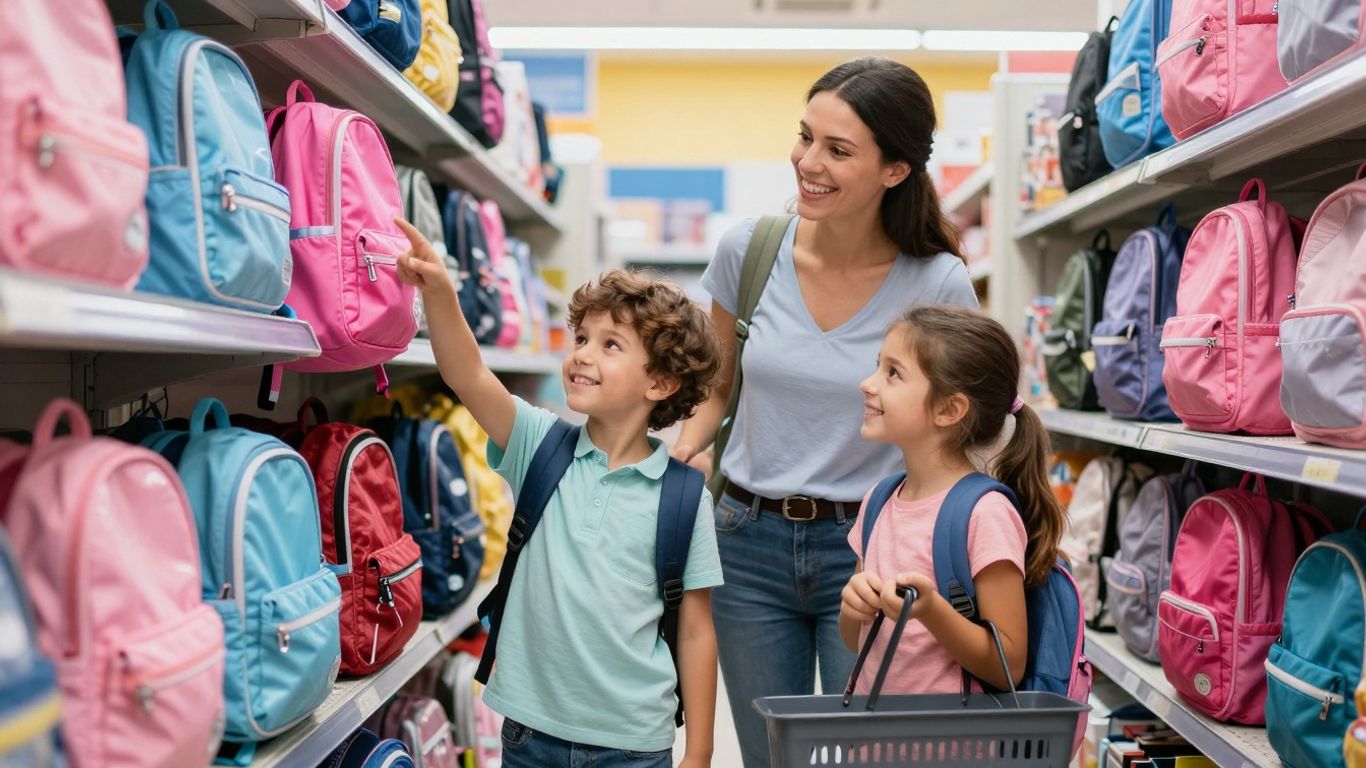
It’s a good idea to talk to your kids about money before you even step into a store or open a browser tab. Let them know what the general budget is for things like clothes, shoes, and school supplies. You don’t need to give them exact dollar amounts for every single item, but a clear understanding of the overall spending limit helps a lot. For example, you could say, "We have about $X for new school clothes this year." This transparency helps manage expectations and can prevent disappointment later on. Explaining the ‘why’ behind your choices, like why you’re choosing a slightly less flashy backpack to stay within budget, can also help them understand the value of money.
Empower Kids with Pocket Money for Extras
Once the main school essentials are covered, consider giving your children a small amount of their own money to spend on the ‘wants’ rather than the ‘needs.’ This could be for a special pencil case, a fun water bottle, or a particular brand of socks they really like. This approach teaches them about making choices and the real cost of items. They’ll likely be more careful with things they’ve paid for themselves, and it gives them a sense of ownership over their school gear.
Make Shopping a Collaborative and Fun Experience
Try to make the shopping trip itself enjoyable. Instead of seeing it as a chore, turn it into a shared activity. You could:
- Plan a specific outing: Maybe dedicate a Saturday morning to hitting a few key stores together.
- Create a shared checklist: Let them tick off items as you find them.
- Incorporate breaks: Stop for a treat or a quick game to keep spirits high.
When kids feel like they’re part of the decision-making process and the experience is positive, they’re more likely to be happy with the outcome. It’s about finding that balance between your budget and their preferences, making sure everyone feels heard and valued.
Alternative Shopping Strategies for Value
Sometimes, the most budget-friendly options aren’t found in the usual big-box stores. Thinking outside the traditional retail box can lead to some serious savings and unique finds for the school year.
Organize or Participate in Clothing Swaps
Clothing swaps are a fantastic way to refresh your kids’ wardrobes without spending a dime. Gather a group of friends, neighbors, or classmates’ parents who have children around the same ages. Everyone brings gently used clothes their kids have outgrown, and then you all get to
Streamlining Your Back-to-School Shopping
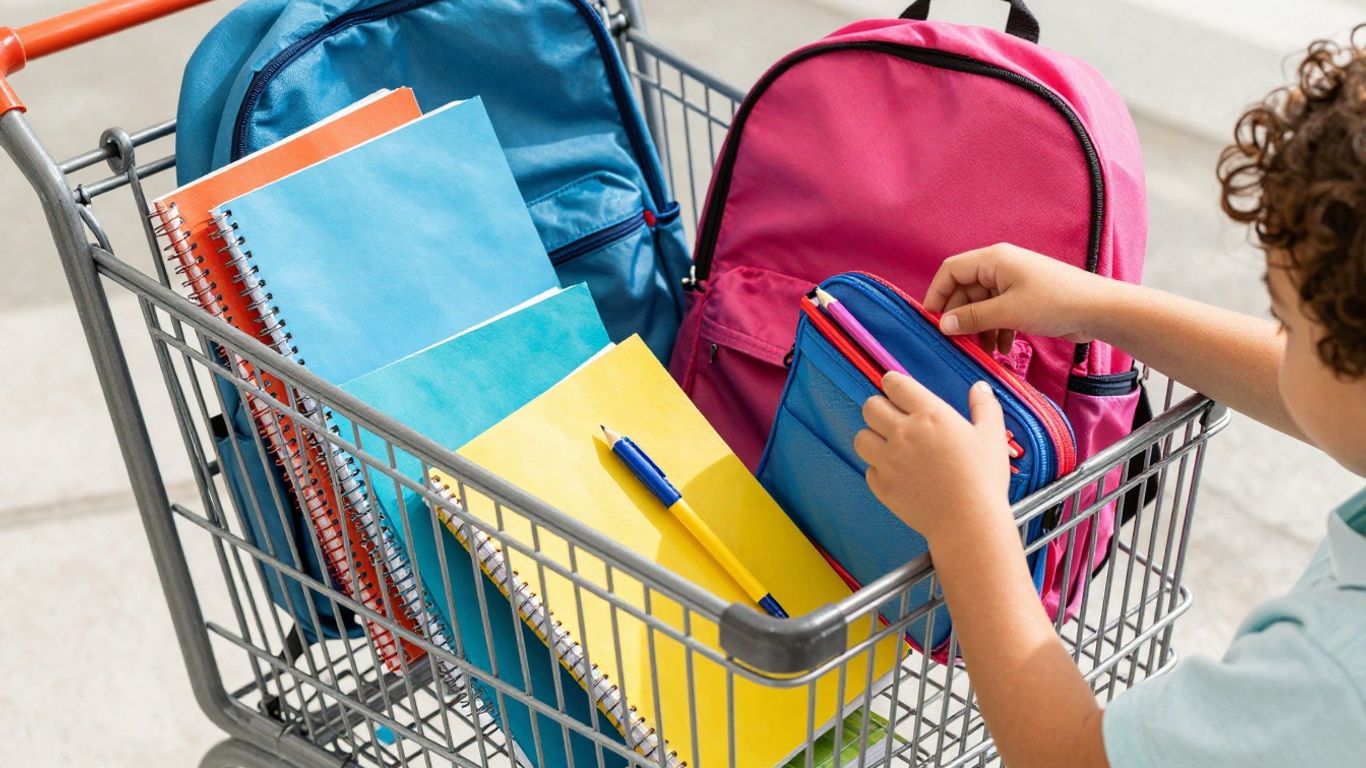
Back-to-school shopping can feel like a marathon, but it doesn’t have to be a frantic sprint. A little planning goes a long way in making the process smoother and less overwhelming. Instead of trying to get everything done in one go, think about spreading out your purchases. This approach not only reduces the immediate financial strain but also allows you to take advantage of sales as they pop up.
Spread Purchases Over Time
One of the best ways to avoid that end-of-summer shopping panic is to start early and pace yourself. You don’t need to buy all the new clothes and supplies on the same weekend. Consider breaking it down into smaller shopping trips over several weeks. Maybe August is for clothes, and early September is for the last-minute school supplies. This also gives you time to check what you really need after the first week of school, rather than guessing.
- Start with a general inventory: See what clothes still fit and what supplies from last year are usable.
- Focus on one category at a time: Dedicate a weekend to just shoes, or another to just backpacks and lunchboxes.
- Watch for sales: Spreading out your shopping means you’re more likely to catch different stores’ promotions.
Keep Receipts for Easy Returns
No matter how carefully you plan, sometimes things just don’t work out. Maybe an item is the wrong size, or a teacher clarifies that a specific type of notebook isn’t needed after all. Keeping your receipts is your best friend for hassle-free returns. If you shop in-store, tuck them away in a designated folder or even a small envelope in your purse. Online shopping often sends receipts straight to your inbox, which is super convenient, but make sure you have a system for organizing those digital records too. A quick search for the store name should bring it right up when you need it.
A simple system for organizing receipts, whether physical or digital, can save you a lot of headaches. It prevents last-minute scrambling and ensures you can easily get your money back or exchange items that aren’t quite right.
Shop Online for Convenience
Let’s be honest, sometimes the thought of battling crowds in stores is just too much. Online shopping offers a fantastic alternative. You can browse, compare prices, and make purchases from the comfort of your home, often 24/7. Many retailers offer free shipping on orders over a certain amount, which can add up to significant savings. Plus, it’s easier to stick to your list when you’re not tempted by impulse buys on store shelves. You can even set up email alerts for new fall arrivals or specific items you’re looking for, making the process even more efficient.
- Compare prices across different websites easily.
- Read reviews from other shoppers before buying.
- Schedule deliveries to your home or a convenient pickup location.
Ready for a Smoother School Year
So, we’ve gone over a bunch of ways to make back-to-school shopping less of a headache. Remember, you don’t have to do it all in one go. Spreading out your purchases, keeping an eye out for sales, and even getting the kids involved can make a big difference. Plus, checking what you already have at home before hitting the stores saves both time and money. By using these simple tricks, you can get everything your kids need without feeling totally wiped out. Here’s to a more relaxed start to the school year!
Frequently Asked Questions
When is the best time to start back-to-school shopping?
It’s smart to start early, but don’t feel pressured to buy everything at once. Spreading out your shopping over a few weeks or even months can help you find better deals and avoid last-minute stress. Also, keep an eye out for sales and tax-free weekends, which often happen in late summer.
How can I save money on school supplies?
First, check what you already have from last year! Then, make a very specific list. Compare prices online and in different stores. Look for store brand items, which are usually cheaper than name brands. Don’t forget about dollar stores or discount retailers for great deals.
What’s the best way to budget for school clothes?
Set a clear budget before you even start looking. Prioritize the most important items. You can save a lot by shopping during sales, looking at discount stores, or even organizing a clothing swap with other families. Sometimes waiting until after the first few weeks of school can lead to even bigger discounts.
Should I let my kids help pick out school stuff?
Absolutely! It’s a great way to teach them about money. Let them know the budget you have and give them a small amount of their own money to spend on extras or things they really want. This helps them understand value and makes them feel more involved.
Are there ways to get school items for free or really cheap?
Yes! Look into community programs, churches, or local charities that might offer backpack drives or free school supplies. Thrift stores and clothing swaps are fantastic for finding gently used items at super low prices. You might be surprised by what you can find!
How can I make the shopping process less overwhelming?
Planning is key! Make a detailed list, set a budget, and try to shop online to easily compare prices. Don’t try to do it all in one day; spread your shopping out. And remember to keep your receipts in case you need to return anything. Making it a fun, shared experience with your kids can also help!