
Ever feel like your allergies are acting up, but you can’t quite pinpoint why? You might be dealing with something lurking in your home: dust mites. These tiny critters are a common cause of year-round sniffles and sneezes, and understanding them is the first step to finding some relief. Let’s break down what allergies and dust mites are all about, what symptoms to look out for, and how you can make your home a little less inviting for these microscopic guests.
Key Takeaways
- Dust mites are microscopic bugs found in homes that feed on shed skin flakes, thriving in warm, humid conditions like bedding and carpets.
- Allergies and dust mites often go hand-in-hand, with symptoms including sneezing, runny nose, itchy eyes, and even asthma flare-ups.
- Symptoms can be mistaken for a common cold but tend to last longer, especially if exposure to dust mites is constant.
- Doctors diagnose dust mite allergies through physical exams, skin prick tests, or specific blood tests.
- Managing dust mite allergies involves reducing exposure by cleaning regularly, using allergen-proof covers, and sometimes medication.
Understanding Dust Mites and Allergies
What Are Dust Mites?
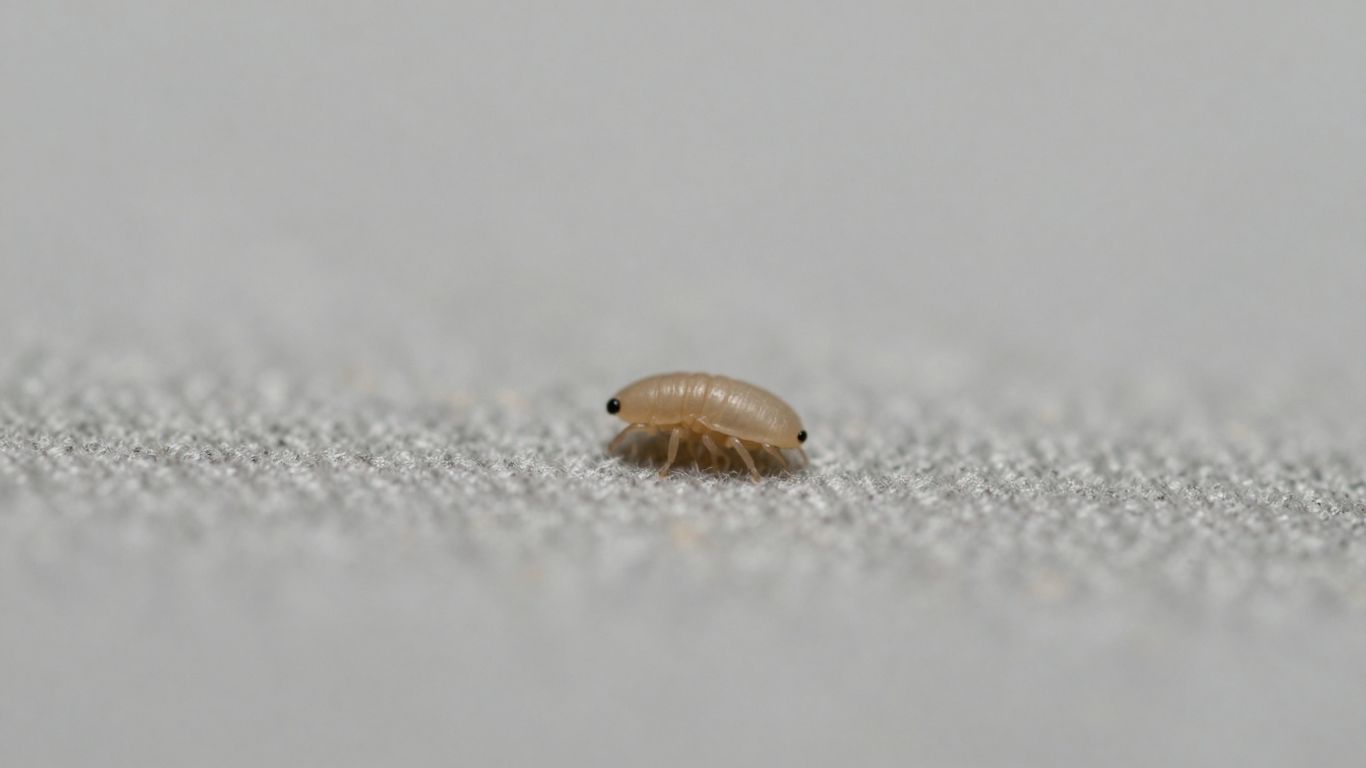
Ever wonder what’s lurking in your carpets and bedding? Chances are, it’s dust mites. These microscopic critters are so tiny, you can’t see them without a microscope – they’re only about a quarter to a third of a millimeter long. Think of them more like tiny spiders, with eight legs, rather than insects. They’re pretty much everywhere, except for Antarctica, and they’ve made themselves quite at home in our houses. They primarily feed on the dead skin flakes we shed daily, which is a lot – an average adult can shed enough skin in a day to feed a million dust mites! They really like it warm and humid, between 68-77°F (20-25°C) with humidity around 70-80%.
What Is a Dust Mite Allergy?
When you have a dust mite allergy, it’s not the mites themselves that cause the problem, but rather their body parts and, more commonly, their waste. These tiny allergens can float around in the air and settle on surfaces. Even if the mites die off due to dry air or cooler temperatures, their waste and body fragments can remain and continue to trigger allergic reactions. This means that even in a clean home, dust mite allergens can be present year-round, making it tough for allergy sufferers.
The Pervasiveness of Dust Mites
It might be surprising, but nearly half of all people who have allergies are actually allergic to dust mites. They’re a common trigger for year-round allergy symptoms and can even worsen asthma. Because they thrive in common household items like bedding, carpets, and upholstered furniture, it’s really hard to get rid of them completely. You might think your symptoms are just a seasonal thing or a lingering cold, but often, it’s these tiny, unseen residents causing the trouble. Managing them is key to finding relief, and understanding where they hang out is the first step. For instance, choosing soft, small pillows can be a smart move for allergy sufferers.
Here’s a quick look at where dust mites love to hang out:
- Bedding (sheets, blankets, pillows, mattresses)
- Carpeting and rugs
- Upholstered furniture
- Curtains
- Stuffed toys
Dust mites are a common, yet often overlooked, cause of indoor allergies. Their presence is widespread, and their waste products are potent allergens for many individuals, leading to persistent symptoms throughout the year.
Common Symptoms of Dust Mite Allergies
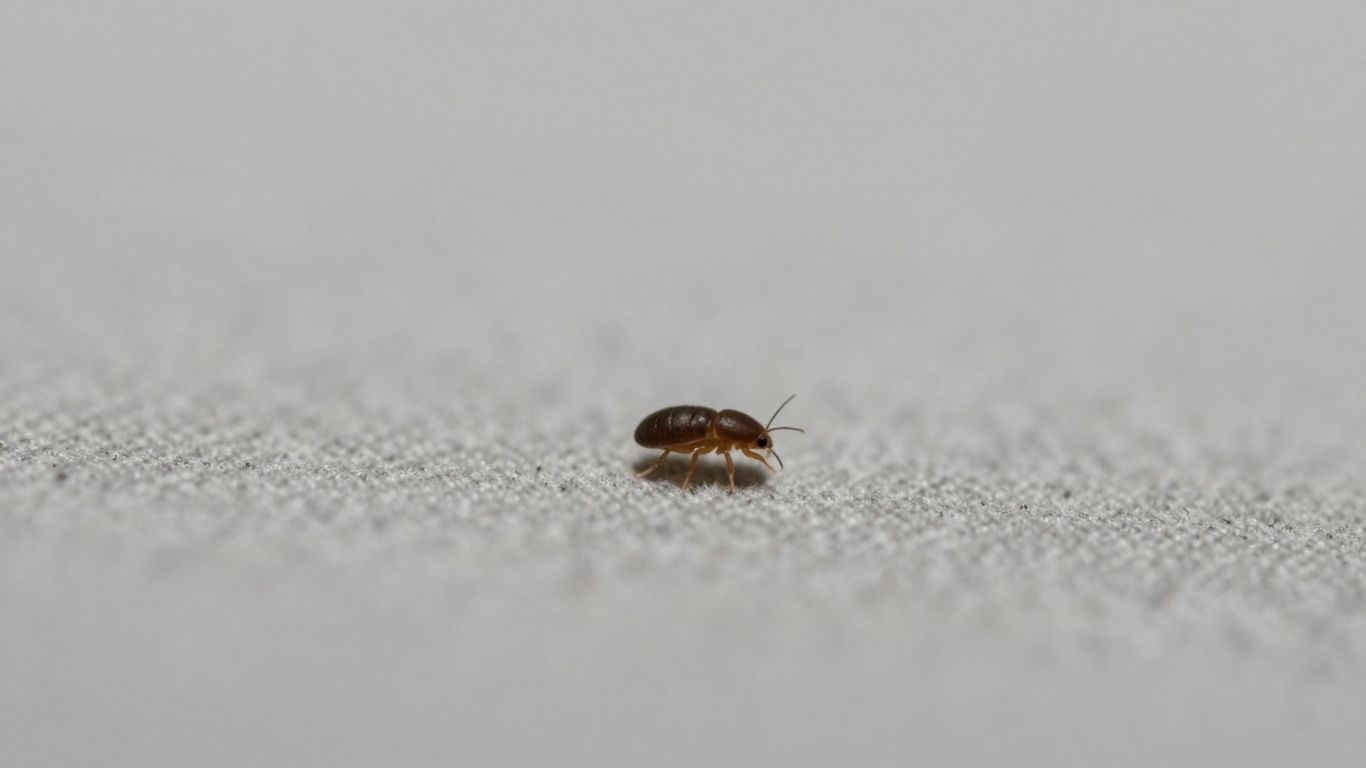
So, you suspect dust mites might be the culprit behind your sniffles and sneezes? It’s a common issue, and understanding the signs is the first step. Dust mite allergy symptoms often mimic those of a cold or other seasonal allergies, making them tricky to pinpoint sometimes. They tend to pop up year-round, especially in places where dust mites love to hang out.
Nasal Allergy Symptoms
When dust mites get into your system, your nose often takes the brunt of it. You might find yourself sneezing a lot, sometimes in rapid succession. A runny nose is also a big one, with clear, watery mucus. On the flip side, you could also experience a stuffy nose, making it hard to breathe through. An itchy nose, and even an itchy feeling on the roof of your mouth or in your throat, are also pretty common. Sometimes, you’ll notice a sort of drip running down the back of your throat, which doctors call postnasal drip, and that can lead to a persistent cough.
- Sneezing
- Runny nose (clear, watery mucus)
- Stuffy nose
- Itchy nose, mouth, or throat
- Postnasal drip
- Cough
Eye and Throat Irritation
Your eyes can get pretty unhappy too. Expect them to feel itchy, look red, and water quite a bit. It’s like having hay fever, but it’s happening indoors, thanks to those tiny mites. This irritation isn’t just limited to your eyes; that itchy feeling can extend to your throat, making it uncomfortable.
Asthma-Related Symptoms
For people who already have asthma, dust mite allergies can be a real problem. The allergens can trigger asthma symptoms, making breathing difficult. You might notice:
- Wheezing or a whistling sound when you breathe out.
- A feeling of tightness or pain in your chest.
- Trouble sleeping because of shortness of breath, coughing, or wheezing.
- Difficulty breathing.
It’s important to remember that these symptoms can vary from person to person. Some might have mild discomfort, while others experience more severe reactions. If your symptoms are persistent or interfere with your daily life, it’s a good idea to talk to a doctor about potential dust mite allergy triggers.
Facial pressure and pain can also occur, and sometimes you might see dark circles under your eyes, often referred to as ‘allergic shiners’. In children, a common sign can be frequently rubbing their nose upwards.
Identifying Dust Mite Allergy Triggers
So, you’re dealing with allergy symptoms, and you suspect dust mites might be the culprit. It’s a pretty common situation, honestly. These microscopic critters are everywhere, and understanding where they hang out is the first step to getting some relief. They’re not picky eaters, either; they love the tiny bits of skin we shed every single day. It’s estimated that an average adult sheds enough skin daily to feed about a million dust mites! That’s a lot of tiny mouths to feed, and unfortunately, their waste and body parts are what trigger our allergies.
Where Dust Mites Thrive
Dust mites really like it warm and humid. Think temperatures between 68 and 77 degrees Fahrenheit (20-25 C) with humidity levels around 70-80%. Our homes are basically paradise for them. They burrow deep into soft surfaces, making places like your mattress, upholstered furniture, carpets, and even stuffed animals their prime real estate. They’re not just chilling on the surface; they get into the nooks and crannies. This is why cleaning can sometimes stir up more allergens, making symptoms worse temporarily.
The Role of Skin Flakes
As I mentioned, dust mites have a very specific diet: dead skin cells. We all shed skin constantly, and these tiny flakes are a food source. These skin flakes get everywhere – into the fibers of your carpet, the stuffing of your couch, and especially into your bedding. This constant supply of food means dust mites can thrive year-round in many homes, regardless of the season. It’s a bit of a gross thought, but it’s the reality of sharing our living spaces with these tiny creatures.
Year-Round Allergen Exposure
Unlike seasonal allergies that come and go with the pollen, dust mite allergies can be a year-round problem. Because they love the consistent warmth and humidity often found indoors, and because we’re always shedding skin, dust mites don’t take a vacation. This means you might experience allergy symptoms consistently, making it harder to pinpoint the cause. If your sniffles, sneezes, and itchy eyes don’t seem to follow a seasonal pattern, dust mites are definitely a strong possibility. It’s also worth noting that other indoor allergens, like those from cockroaches, can worsen asthma symptoms Research indicates a connection between cockroach presence and worsened asthma symptoms.
Here’s a quick rundown of common dust mite hiding spots:
- Bedding: Mattresses, pillows, blankets, and sheets are prime real estate.
- Upholstered Furniture: Sofas, chairs, and recliners.
- Carpeting: Especially older carpets with deep piles.
- Curtains and Drapes: They can trap dust and mites.
- Stuffed Animals: A favorite for kids (and dust mites!).
Dealing with dust mites means understanding their preferred environment and food source. They thrive in warmth and humidity, feeding on shed skin cells. This makes our homes, particularly our bedrooms and living areas with soft furnishings, ideal habitats. Because these conditions are often present year-round indoors, dust mite allergies can persist throughout the year, unlike seasonal allergies.
When to Seek Medical Advice
Sometimes, it’s tough to tell if you’re just dealing with a common cold or if something more is going on, especially with allergy symptoms that can mimic cold and flu. If your sniffles, sneezes, and congestion stick around for more than a week or two, or if they seem to pop up at the same times each year, it might be time to chat with a doctor. Persistent symptoms are a good reason to get checked out.
Distinguishing Allergy from Colds
Colds usually come with a fever and body aches, which allergies typically don’t. Colds also tend to resolve within a week or so, while allergy symptoms can linger. If you’re experiencing itchy eyes and a scratchy throat along with your nasal congestion, it’s more likely an allergy. It’s easy to get confused, but paying attention to the specific symptoms can help you figure out what you’re dealing with. If you’re unsure, a healthcare provider can help clarify common dust allergy symptoms.
Recognizing Severe Symptoms
While most dust mite allergy symptoms are annoying but manageable, some can become quite serious. If you start having trouble breathing, feel tightness in your chest, or hear wheezing when you exhale, these are signs that your airways are significantly affected. These symptoms could indicate a more severe allergic reaction or that your asthma is being aggravated. Don’t brush these off; they need prompt attention.
Emergency Care Considerations
In rare cases, a severe allergic reaction can happen. If you experience sudden difficulty breathing, swelling of your face or throat, a rapid heartbeat, dizziness, or a drop in blood pressure, seek emergency medical help immediately. These are signs of anaphylaxis, a life-threatening condition. It’s also important to let your doctor know if you’re taking certain medications, as some can interact with allergy treatments or increase the risk of severe reactions. Always have a plan for how to manage a severe reaction, including knowing when to call for help.
Diagnosing Dust Mite Allergies
So, you’re pretty sure dust mites are messing with your health, huh? It’s a common problem, but figuring out for sure if they’re the culprit can feel a bit tricky. Luckily, there are ways doctors can help pinpoint the issue. It usually starts with a chat and a look-see.
Physical Examination and Symptom Review
First off, your doctor will likely ask you a bunch of questions about what you’re experiencing. They’ll want to know about your symptoms – when they started, how often they happen, and if anything makes them better or worse. They might ask about your home environment too, like how often you clean or if you have pets. This whole conversation helps them get a picture of what’s going on. This initial assessment is key to suspecting an allergy. They’ll also do a basic physical check, looking at your nose, throat, and maybe even listening to your lungs. It’s all about gathering clues to see if your symptoms line up with what a dust mite allergy typically looks like. You can find more general info on how a doctor might start this process here.
Skin Prick Testing
If the doctor suspects a dust mite allergy, they might suggest a skin prick test. It sounds a bit scary, but it’s usually pretty straightforward. They’ll clean a small area of your skin, often on your arm or back, and then lightly prick it with a tiny needle that has a bit of dust mite allergen on it. If you’re allergic, you’ll probably see a little red, itchy bump, kind of like a mosquito bite, within about 15-20 minutes. The size of that bump can give them an idea of how sensitive you are. It’s a quick way to see if your body reacts to dust mite proteins.
Specific IgE Blood Tests
Sometimes, a skin prick test isn’t the best option. Maybe you have a skin condition that would mess with the results, or perhaps you’re taking medication that could interfere. In those cases, a blood test might be used instead. They’ll take a small blood sample and send it to a lab. The lab will then check for specific antibodies, called IgE, that your body produces when it encounters an allergen like dust mites. A higher level of these antibodies can indicate an allergy. This test is also a good choice for younger kids who might not sit still for a skin test.
It’s important to remember that a positive result on either a skin or blood test doesn’t automatically mean dust mites are causing all your problems. Doctors look at these test results alongside your symptoms and medical history to make a proper diagnosis. They’re looking for a match between what the tests show and what you’re experiencing.
Managing Dust Mite Allergy Symptoms
Dealing with dust mite allergies can feel like a constant battle, but there are definitely ways to get a handle on things. The biggest thing is trying to cut down on how much you’re exposed to them. It’s not about getting rid of every single dust mite – that’s pretty much impossible – but about making your home a less friendly place for them and managing your reactions.
The Importance of Allergen Avoidance
This is really the first line of defense. Think about where dust mites love to hang out: bedding, upholstered furniture, carpets, and even stuffed toys. Making some changes in these areas can make a big difference. Washing bedding frequently in hot water (at least 130°F or 54°C) is super important. This temperature kills the mites. Using allergen-proof covers on mattresses and pillows is another smart move. These covers create a barrier that dust mites can’t get through. For carpets, vacuuming regularly with a vacuum that has a HEPA filter can help trap those tiny allergens. If you have a lot of upholstered furniture, consider switching to leather or vinyl, which are easier to clean. Even simple things like dusting with a damp cloth instead of a dry one can prevent allergens from becoming airborne.
Medications and Treatments
Sometimes, avoidance just isn’t enough, and that’s where medications come in. Over-the-counter options like antihistamines can help with sneezing, itching, and runny noses. If your symptoms are more severe or persistent, your doctor might suggest prescription nasal corticosteroids, which are really good at reducing inflammation in your nasal passages. For those who have asthma triggered by dust mites, inhalers are key to managing breathing difficulties. There are also newer treatments, like immunotherapy, which involves gradually exposing you to small amounts of the allergen to build up your tolerance over time. It’s a longer-term approach, but it can be very effective for some people.
Controlling Dust Mite Populations
Beyond just cleaning, you can actively make your home less hospitable to dust mites. They really like warmth and humidity, so controlling the moisture in your home is a big deal. Using a dehumidifier, especially in bedrooms and basements, can lower humidity levels below 50%. Keeping the temperature cooler, ideally between 68-77°F (20-25°C), also helps. You might also want to think about replacing old, dusty curtains with blinds that are easy to wipe down. If you have a lot of decorative pillows or stuffed animals, try to limit them or wash them regularly. Reducing the overall dust-collecting surfaces in your home is a continuous effort.
Making your bedroom a dust mite-free zone is particularly beneficial, as you spend a significant amount of time there. Focusing on your sleeping environment can lead to more restful nights and less morning congestion.
Here’s a quick rundown of some common management strategies:
- Wash bedding weekly in hot water.
- Use allergen-proof covers for mattresses and pillows.
- Vacuum carpets and upholstery regularly with a HEPA filter.
- Control indoor humidity levels.
- Consider replacing carpet with hard flooring.
If you’re struggling to manage your symptoms, talking to your doctor is always a good idea. They can help you figure out the best plan, which might include specific medications or even allergy testing to pinpoint exactly what’s bothering you. For instance, using hypoallergenic pillows can be a simple yet effective step in reducing allergen exposure while you sleep.
Potential Complications of Dust Mite Allergies
Even if you manage to keep your dust mite allergy symptoms under control most of the time, there are a few ways things can get more complicated. It’s not just about the sneezing and itchy eyes, though those are annoying enough. Sometimes, these little critters can lead to more serious issues if left unchecked.
Sinus Infections
When dust mite allergens get into your nose, they can cause swelling. This swelling can actually block up the hollow spaces in your face, called sinuses. If these get blocked, they can become a breeding ground for bacteria, leading to a sinus infection, or sinusitis. It feels like a really bad cold that just won’t quit, with pressure in your face and sometimes even a fever. Persistent nasal inflammation is a key factor in developing sinusitis.
Aggravated Asthma Conditions
For anyone who already has asthma, dust mite allergies can be a real problem. The allergic reaction causes inflammation in the airways, which can make asthma symptoms much worse. This means more wheezing, more shortness of breath, and a higher chance of having a serious asthma attack. It can become really difficult to manage your asthma when you’re constantly exposed to dust mite allergens. It’s important to work with your doctor to keep both your allergies and asthma in check.
Chronic Allergy Symptoms
Sometimes, dust mite allergies don’t just come and go; they can become a long-term issue. This means you might experience symptoms like a stuffy nose, coughing, and facial pressure pretty much all the time. This ongoing inflammation can really impact your quality of life, making it hard to sleep well or feel comfortable day-to-day. If your symptoms seem to stick around for weeks or months, it might be time to talk to a doctor about long-term allergy management.
Here’s a quick look at how complications can arise:
- Sinusitis: Blocked sinuses due to inflammation can lead to bacterial infections.
- Asthma Flare-ups: Increased airway inflammation can trigger more severe asthma symptoms.
- Chronic Inflammation: Persistent exposure can lead to ongoing discomfort and reduced quality of life.
It’s easy to dismiss allergy symptoms as just a minor annoyance, but when they start leading to infections or making existing conditions like asthma much worse, it’s a clear sign that more attention is needed. Taking steps to reduce dust mite exposure is key to preventing these more serious outcomes.
Living Better with Fewer Dust Mites
So, we’ve talked about these tiny dust mites and how they can really mess with your allergies and even asthma. It’s kind of wild to think something so small can cause so much trouble, right? But the good news is, you’re not powerless against them. By taking steps to clean your home and reduce where they like to hang out, like in your bedding and carpets, you can make a big difference. It might take some effort, but feeling better and breathing easier is totally worth it. Don’t forget to chat with your doctor if things aren’t improving; they can help figure out the best plan for you.
Frequently Asked Questions
What exactly are dust mites?
Dust mites are super tiny, almost invisible bugs that live in the dust inside our homes. They’re related to spiders and ticks, but they’re much, much smaller. They don’t bite or sting, but they do eat the tiny flakes of skin that we shed every day. These little critters love warm, damp places, so they often hang out in our beds, couches, carpets, and stuffed toys.
How do dust mites cause allergies?
When you’re allergic to dust mites, your body’s defense system overreacts to their body parts and waste. It’s like your body thinks these tiny invaders are harmful, even though they aren’t. This overreaction causes allergy symptoms like sneezing, a runny nose, and itchy eyes. Even dead dust mites and their droppings can still trigger allergies.
What are the common signs of a dust mite allergy?
You might have a dust mite allergy if you experience sneezing, a runny or stuffy nose, and itchy, watery eyes. You could also have an itchy throat or the roof of your mouth, a cough, or mucus dripping down the back of your throat (postnasal drip). Sometimes, it can even cause pressure in your face and dark circles under your eyes, especially in kids who might rub their noses a lot.
Can dust mites make asthma worse?
Yes, absolutely. If you have asthma and are allergic to dust mites, their allergens can make your asthma symptoms much worse. This can lead to wheezing, coughing, chest tightness, and difficulty breathing. Some people even have trouble sleeping because of these symptoms, and they might find that colds or the flu make their asthma even more severe.
How can I tell if my symptoms are from dust mites or a cold?
It can be tricky because the symptoms are similar, like a runny nose and sneezing. However, if your symptoms last for more than a week or two, especially if they happen year-round, it’s more likely to be an allergy. Symptoms that get worse when you’re cleaning or in your bedroom at night are also big clues that dust mites might be the culprit.
What’s the best way to deal with a dust mite allergy?
The most important thing is to try and reduce the number of dust mites in your home. This means cleaning regularly, washing bedding in hot water, using special dust-mite-proof covers on mattresses and pillows, and reducing humidity. Your doctor might also suggest medications like antihistamines or nasal sprays, or even allergy shots for more severe cases.