
Thinking about knee replacement surgery? It’s a big step towards a more comfortable life, but the recovery part can feel a bit daunting. Lots of people wonder how to make this whole process smoother. The good news is, with a little planning and the right approach, your knee replacement recovery can be much easier. We’ll walk through some practical tips to help you get back on your feet and feeling good.
Key Takeaways
- Get ready before surgery by learning about the procedure and setting up your support system. This helps a lot with the knee replacement recovery.
- Manage pain and swelling using ice, elevation, and taking your medication as directed. Staying ahead of discomfort is key.
- Start moving gently soon after surgery. Early, light exercises and gradual walking help your new knee work better.
- Fuel your body with good food. Protein, vitamins, and plenty of water aid healing and help your knee replacement recovery.
- Stay in touch with your doctor and physical therapist. They’ll guide you, check your progress, and help you get back to normal activities safely.
Preparing For Your Knee Replacement Recovery
Getting ready for knee replacement surgery is more than just showing up on the day. It’s about setting yourself up for the best possible outcome and a smoother road back to doing the things you love. Think of it as laying the groundwork for a successful healing journey. Being prepared physically, mentally, and practically can make a big difference.
Educate Yourself On The Procedure
It sounds obvious, but really digging into what the surgery involves can ease a lot of worry. You don’t need to become a surgeon, but understanding the basics of what happens during the operation, what kind of implant you’ll get, and what the typical recovery steps look like is super helpful. Knowing what to expect can take away a lot of the fear of the unknown. It’s also a good time to ask your doctor all those nagging questions you might have. Don’t hesitate to ask for clarification if something doesn’t make sense. You can find more information about the surgery itself on pages like knee replacement surgery.
Establish A Strong Support System
This is a big one. You’re going to need help, especially in those first few weeks. Think about who can lend a hand with things like grocery shopping, cooking, or just getting around the house. It could be your partner, family members, or close friends. Don’t be afraid to ask for specific help. Sometimes people want to help but don’t know how. Having a reliable crew ready to go can take a huge weight off your shoulders.
Set Realistic Recovery Goals
It’s easy to get excited and want to jump back into everything right away, but that’s usually not how it works. Recovery is a marathon, not a sprint. Talk with your doctor and physical therapist about what a reasonable timeline looks like. Setting small, achievable goals can keep you motivated. Maybe your first goal is to walk to the mailbox, then to the end of the street. Celebrating these small wins really helps.
Here’s a general idea of what to expect, but remember, everyone is different:
- Weeks 1-2: Focus on pain management, basic mobility around the house, and gentle exercises.
- Weeks 3-6: Gradually increase walking distance and start more challenging physical therapy exercises.
- Months 1-3: Aim for increased independence, better range of motion, and return to light daily activities.
- 3-6 Months and Beyond: Continue strengthening, and gradually return to more strenuous activities as advised.
Cultivate A Positive Mindset
Your attitude plays a significant role in how you heal. It’s going to be tough at times, no doubt about it. There will be days when you feel frustrated or discouraged. Try to focus on the progress you’re making, no matter how small. Visualize yourself getting stronger and doing the activities you miss. A positive outlook can really help you push through the challenging moments.
Preparing your mind for the journey ahead is just as important as preparing your home. Acknowledging that there will be ups and downs, and committing to working through them, sets a more positive tone for your recovery.
Managing Pain And Swelling Post-Surgery
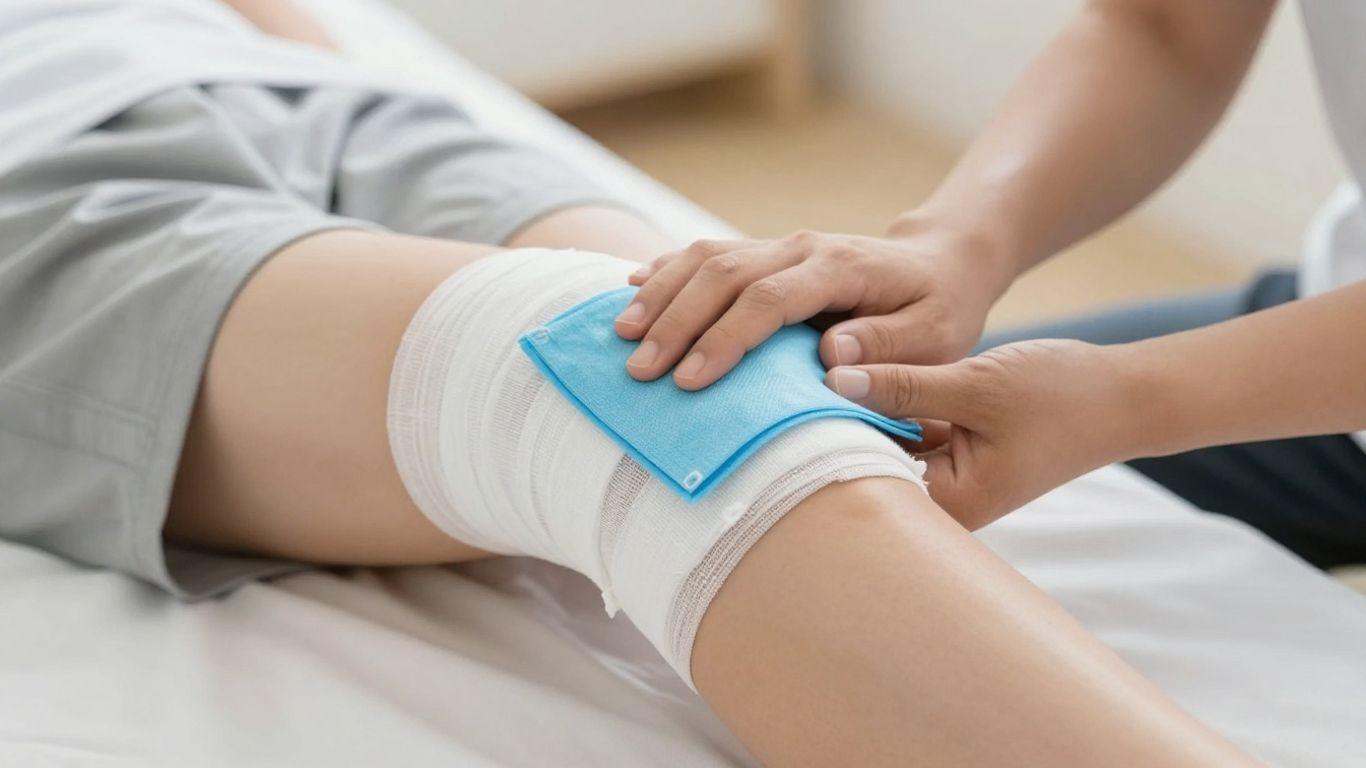
Okay, so after your knee replacement, you’re going to feel some discomfort. That’s totally normal. The trick is to stay on top of it so it doesn’t get out of hand. Think of it like managing a budget – you don’t want to wait until you’re completely broke to start paying attention.
Strategies To Reduce Discomfort
Dealing with pain and swelling is a big part of getting back on your feet. It’s not just about feeling better, but also about being able to do those important physical therapy exercises. Here are some ways to keep things under control:
- Stick to your medication schedule. Your doctor will give you a plan for pain relievers. It’s really important to follow it, even if you feel okay at the moment. Taking them regularly helps keep pain from building up in the first place. If you’re worried about forgetting, set alarms on your phone.
- Move around a bit, but don’t push it. Gentle movement helps with blood flow and can prevent stiffness. Your physical therapist will guide you on what’s safe. Just remember to listen to your body; if something hurts too much, stop.
- Keep your leg elevated. When you’re sitting or lying down, try to prop your leg up so it’s higher than your heart. This really helps reduce swelling.
The Role Of Cold Compresses
Ice is your friend after surgery. Applying cold packs can really help calm down that swelling and numb any sore spots. You can use those gel packs or even a bag of frozen peas – they mold nicely to your knee. Just make sure you wrap them in a towel so you don’t get frostbite. Aim for about 20 minutes at a time, a few times a day, especially after you’ve done some exercises.
Importance Of Elevation
We touched on this, but it’s worth repeating. Keeping your leg elevated is a simple yet super effective way to manage swelling. When you’re resting, use pillows to get your leg up. This helps fluid drain away from the surgical site. It might feel a bit awkward at first, but it makes a real difference in how your knee feels.
Staying Ahead Of Pain Management
Honestly, the best approach is to prevent severe pain rather than trying to chase it away once it’s roaring. This means taking your pain medication as prescribed, even if you feel okay. If you’re struggling with pain or have questions about your medication, don’t hesitate to reach out to your doctor or your surgical team. They can adjust your plan if needed. Remember, managing pain well is key to making physical therapy effective and getting you back to your normal life faster.
The Importance Of Early Mobility
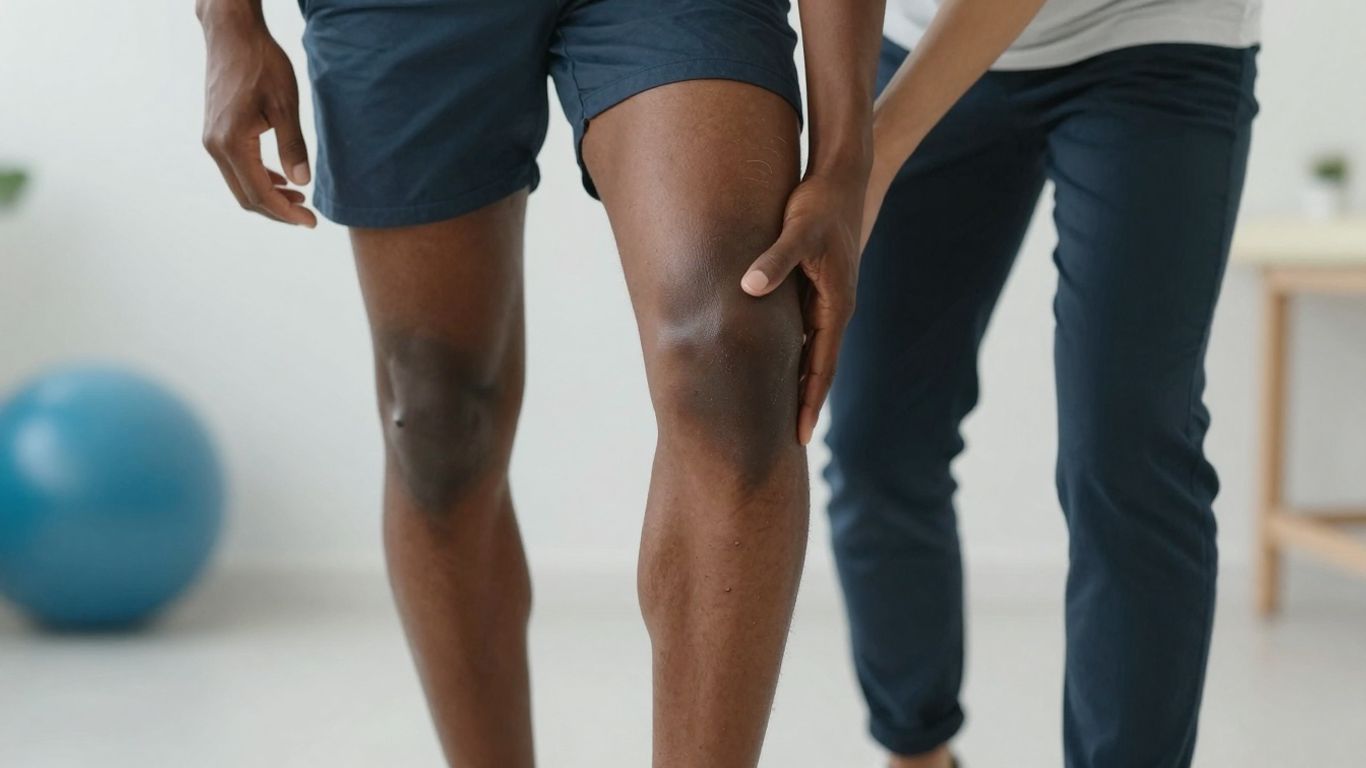
Getting moving again after your knee replacement isn’t just about getting back to your old routine; it’s a really big part of healing. Think of your new knee like a new car – it needs to be driven gently at first to work out any kinks and get everything running smoothly. Starting to move soon after surgery helps prevent your knee from getting stiff and can stop other problems from popping up.
Gentle Exercises To Start
Right after your surgery, even while you’re still in the hospital, your care team will likely have you doing some simple movements. These aren’t meant to be tough workouts, but rather gentle ways to get your blood flowing and your muscles waking up. You might start with things like:
- Ankle Pumps: Just moving your feet up and down. It sounds simple, but it really helps with circulation.
- Quad Sets: Tightening the muscles in your thigh. This helps keep those important muscles from getting too weak.
- Heel Slides: Gently sliding your heel towards you to bend your knee a little. This is a key step in getting your bend back.
These initial exercises are designed to be done without putting too much stress on your new joint. It’s all about coaxing your knee back into action.
Gradual Weight-Bearing Activities
Once you’re home and feeling a bit more up to it, the next step is gradually putting weight on your new leg. This usually starts with walking short distances, often with the help of a walker or crutches. The goal is to slowly increase how far you walk and how often you do it. Don’t try to go for a marathon on day one! Think more like a short stroll around your living room, then maybe to the kitchen, and so on. Your doctor or physical therapist will give you the green light on when and how to increase your walking. It’s important to do this on safe, flat surfaces, especially at first. You can find more tips on getting started with walking at your new knee.
Listen To Your Body’s Signals
This is probably the most important piece of advice: pay attention to what your body is telling you. Some discomfort is normal as you start moving, but sharp or increasing pain is a sign to stop. Pushing too hard, too soon can actually set back your recovery. It’s a balancing act – you need to move to heal, but you also need to rest and allow your body to recover. If you’re unsure about whether an exercise or activity is too much, always check with your physical therapist. They are your best resource for knowing your limits and how to work within them safely.
Moving early helps your knee joint stay flexible and can prevent blood clots. It’s a gentle process, not a race, and your physical therapist will guide you on what’s appropriate for your stage of healing.
Nutritional Support For Healing
What you eat plays a surprisingly big role in how well your body bounces back after knee replacement surgery. Think of it as giving your body the best building blocks to repair itself. It’s not just about getting enough calories; it’s about getting the right nutrients.
Foods Rich In Protein And Vitamins
Your body needs protein to rebuild tissues and muscles that might have been stressed during surgery. Aim to include lean meats, fish, eggs, beans, and dairy products in your meals. Vitamins are also super important. Vitamin C, found in citrus fruits and bell peppers, helps with wound healing and immune function. Vitamin D and calcium are key for bone health, so think about dairy, leafy greens, and fortified foods. Getting enough of these can really make a difference.
Focus On Hydration
Staying hydrated is more than just quenching your thirst; it helps reduce swelling and keeps your blood flowing well, which is important for delivering nutrients to the healing areas. Try to drink at least 6-8 glasses of water throughout the day. If you’re not a big water drinker, herbal teas or broths can also contribute to your fluid intake. Just check with your doctor if they have specific recommendations for you.
Foods To Avoid For Optimal Recovery
Some foods can actually work against your healing process. It’s a good idea to cut back on things that are heavily processed, loaded with sugar, or lots of salt. These can cause inflammation and don’t offer much in the way of helpful nutrients. Also, try to limit alcohol, as it can interfere with medications and slow down healing. Focusing on whole, unprocessed foods will serve you much better during this time.
Eating well after surgery isn’t about strict diets; it’s about making smart choices that support your body’s natural ability to heal and recover. Think of it as a partnership between your effort and your body’s work.
Here’s a quick rundown of what to aim for:
- Protein sources: Chicken breast, salmon, lentils, Greek yogurt, tofu.
- Vitamin C rich foods: Oranges, strawberries, broccoli, kale.
- Calcium & Vitamin D: Milk, cheese, fortified cereals, spinach, fatty fish.
- Hydration: Water, herbal teas, clear broths.
Navigating The Knee Replacement Recovery Timeline
Okay, so you’ve had the surgery. Now what? The recovery timeline after a knee replacement isn’t a strict, one-size-fits-all schedule, but it generally follows a pattern. Think of it as a marathon, not a sprint. The first few weeks are all about getting the basics right: managing pain, reducing swelling, and starting to move gently.
Gaining Independence and Strength
In the initial phase, typically the first 1-2 weeks, your main focus will be on pain control and very basic movements. You’ll likely be using a walker or crutches to get around, and even short distances can feel like a big deal. It’s important to start those gentle exercises your physical therapist gives you right away. This helps prevent your knee from getting stiff and gets blood flowing, which is good for healing. Don’t expect to be doing much on your own just yet; this is the time for rest and following instructions.
Increasing Mobility and Managing Swelling
As you move into the next stage, usually starting around week 3 and going up to about 3 months, things start to pick up. The knee pain should be getting more manageable, and you’ll be working more intensely with your physical therapist. The goal here is to really improve your knee’s range of motion and build up the muscles around it. You’ll start to increase your weight-bearing activities and might even be able to ditch the crutches or walker. Swelling can still be an issue, so keeping up with icing and elevation is still a good idea. This is when you start feeling more like yourself again, tackling more daily tasks.
Preparing For a Return to Normal Activities
The long-term recovery phase can stretch from about 3 months to a full year. By this point, most people are seeing significant improvements. You’ll likely be able to do most everyday activities without much trouble. Think walking, light gardening, maybe even some swimming. High-impact stuff like running or jumping is usually still off the table, but you’ll be much stronger and more mobile than before. It’s about maintaining the progress you’ve made and continuing to be active within the limits your surgeon and therapist recommend. Remember, consistent effort is key to getting the most out of your new knee and enjoying a better quality of life. You can find more details on the general knee surgery recovery process to get a clearer picture.
Recovery is a journey, and setbacks can happen. Don’t get discouraged if some days feel harder than others. Listen to your body, communicate with your healthcare team, and celebrate the small victories along the way. Patience and persistence are your best allies.
Professional Monitoring And Guidance
Your journey after knee replacement surgery doesn’t end when you leave the hospital. Ongoing professional support is a big part of getting back on your feet. Think of it as having a team of experts cheering you on and making sure you’re on the right track.
Regular Health Checks With Your Surgeon
Checking in with your surgeon is super important, especially in the first few weeks and months. These appointments are your chance to talk about how you’re feeling, any pain you’re experiencing, and how your knee is moving. Your surgeon will look at your incision to make sure it’s healing well and check for any signs of trouble. They’ll also want to see how you’re progressing with your mobility. Don’t hesitate to bring up any concerns, no matter how small they seem. It’s better to ask and get reassurance than to worry.
The Crucial Role Of Physiotherapy
Physiotherapy is where a lot of the magic happens for regaining strength and movement. A physical therapist will create a plan just for you, based on how your knee is doing and what you want to be able to do again. They’ll guide you through exercises that are safe and effective.
Here’s what you can expect from physiotherapy:
- Initial Assessment: They’ll check your current range of motion, muscle strength, and any swelling or pain.
- Personalized Exercise Plan: Based on the assessment, they’ll design exercises to improve strength, flexibility, and balance.
- Progress Monitoring: Regular check-ins allow them to track your improvements and make adjustments as needed.
- Education: They’ll teach you how to perform exercises correctly and safely at home.
Remember, consistency is key. Following your therapist’s advice and doing your home exercises diligently will make a big difference in your recovery. You can find some great resources for post-surgery exercises to help you prepare for your recovery.
Progress Evaluation And Adjustments
Your recovery isn’t a straight line; it’s more like a winding road. That’s why regular evaluations are so important. Your surgeon and physical therapist will work together to assess your progress. They’ll look at things like:
- Range of Motion: How well can you bend and straighten your knee?
- Strength: How strong are the muscles around your knee?
- Pain Levels: How much discomfort are you experiencing?
- Swelling: Is the swelling going down?
Based on these evaluations, your treatment plan might be adjusted. Maybe you need to do more of a certain exercise, or perhaps you’re ready to try something a bit more challenging. This ongoing assessment helps ensure you’re always moving forward in the safest and most effective way possible. It’s all about tailoring the process to your specific needs as you heal.
Recognizing Potential Complications
Even with the best care, sometimes things don’t go exactly as planned after surgery. It’s really important to know what to look out for so you can get help quickly if you need it. Most people recover without major issues, but being aware of potential problems can make a big difference.
Signs Of Infection To Watch For
Infection is one of the main concerns after any surgery, and knee replacement is no different. Your incision site is the most obvious place to check. Look for increased redness spreading out from the wound, any warmth that feels unusual to the touch, or any drainage. The drainage might be clear, cloudy, or even have a bad smell. A fever is another big sign; if you’re running a temperature above 101°F (38°C), your body might be fighting something off. Don’t ignore these signs; they need attention.
When To Contact Your Surgeon Immediately
There are certain symptoms that mean you should pick up the phone and call your surgeon’s office right away. This includes the signs of infection we just talked about. Also, if you experience sudden, severe pain that doesn’t get better with your usual pain medication, or if your swelling gets much worse very quickly, that’s a red flag. Difficulty breathing or chest pain are serious symptoms that could point to a blood clot, and you need immediate medical evaluation. Any sudden loss of your ability to bear weight on the leg or a feeling that the knee is unstable also warrants an urgent call. If you’re feeling unusually tired, dizzy, or weak without a clear reason, it’s worth mentioning to your doctor.
Trusting Your Instincts
Sometimes, you might not have a clear-cut symptom from a list, but something just feels off. Your body can send signals that something isn’t right, and it’s important to listen to that feeling. If you’re worried about your recovery or have a gut feeling that something is wrong, it’s always better to be safe than sorry. Reach out to your healthcare team. They are there to help you, and a quick check-in can often prevent a small issue from becoming a bigger problem. Remember, your post-operative nursing support team is also a resource for concerns.
Here’s a quick rundown of what to monitor:
- Incision Site: Redness, warmth, swelling, or drainage.
- Pain: Sudden increase or pain not managed by medication.
- Swelling: Rapid or significant increase.
- Fever: Temperature above 101°F (38°C).
- Breathing/Chest Pain: Shortness of breath or discomfort in the chest.
- Mobility: Sudden inability to bear weight or feeling of instability.
- General Well-being: Unexplained fatigue, dizziness, or weakness.
Wrapping Up Your Recovery Journey
So, you’ve made it through the surgery and are well into your recovery. Remember, this whole process takes time, and everyone heals at their own pace. Keep up with those exercises your physical therapist gave you, listen to your body, and don’t be afraid to ask for help when you need it. Eating well and staying hydrated really does make a difference in how you feel and heal. Keep those follow-up appointments with your doctor, too – they’re important for making sure everything is on track. You’re working towards getting back to doing the things you love, so stay positive and celebrate the small wins along the way. You’ve got this!
Frequently Asked Questions
What should I do to get ready for knee replacement recovery?
Before your surgery, it’s a good idea to learn all you can about the process and what to expect afterward. Setting up a system of support with family or friends is super helpful. Also, try to think positively about how much better your knee will feel and function once you’ve recovered. Having a good mindset really helps!
How can I manage pain and swelling after my surgery?
To keep pain and swelling in check, follow your doctor’s advice closely. Using ice packs on your knee and keeping it raised when you rest can make a big difference. Taking your pain medicine as prescribed, even before the pain gets really bad, is also key to staying comfortable.
Why is it important to move around soon after surgery?
Getting up and moving, even with simple exercises, is really important right after your surgery. It helps prevent your knee from getting stiff and keeps your muscles strong. Your physical therapist will show you what movements are safe to do.
What kind of foods help my knee heal faster?
Eating foods packed with protein, vitamins, and minerals helps your body repair itself. Make sure to drink plenty of water too! Foods like lean meats, fish, fruits, and vegetables are great choices. Try to avoid too much sugar and processed foods.
When can I expect to start doing more normal activities again?
Recovery is different for everyone, but typically by week 3 or 4, you’ll start feeling stronger and more independent. You might be able to walk more easily, do more daily tasks, and maybe even return to light work. Keep listening to your body and don’t push too hard too soon.
What are some signs that something might be wrong after surgery?
You should call your doctor right away if you notice a lot of redness, warmth, or pus around your incision. A high fever, worsening pain or swelling, or difficulty breathing are also reasons to seek medical help immediately. Always trust your gut feeling if something doesn’t seem right.