
Introduction to Natural Sleep Pillows
Natural sleep pillows represent a significant shift towards healthier and more sustainable sleep solutions. These pillows utilize materials sourced directly from nature, offering a range of benefits that synthetic alternatives simply cannot match. Individuals seeking relief from allergies, those prioritizing eco-friendly products, or simply anyone wanting a more comfortable night’s sleep often turn to natural sleep pillows.
This comprehensive guide explores the diverse world of natural sleep pillows. The guide details the various materials used, the unique benefits each offers, and provides practical advice on selecting the perfect pillow to match individual sleep needs and preferences. The goal is to empower readers to make informed decisions, leading to improved sleep quality and overall well-being. Consider this guide a first step to better sleep.
The Compelling Benefits of Natural Sleep Pillows
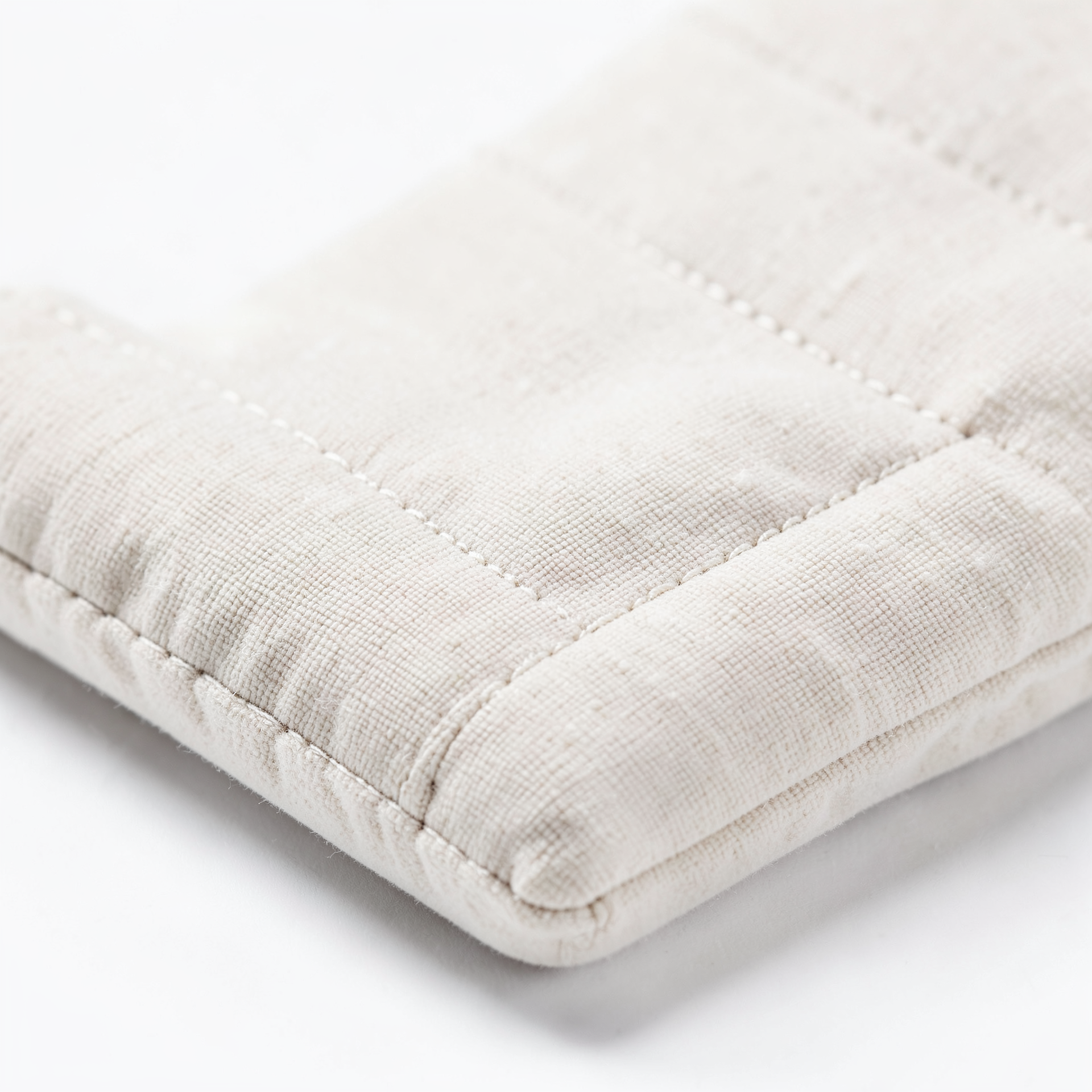
Natural sleep pillows offer a wide array of advantages over their synthetic counterparts. These benefits extend beyond mere comfort, encompassing health, environmental, and performance factors.
Hypoallergenic Properties: A Solution for Allergy Sufferers
Many synthetic pillows contain materials that can trigger allergic reactions. Dust mites thrive in synthetic fibers, exacerbating allergies and respiratory issues. Natural materials, such as wool and cotton, possess inherent hypoallergenic properties. Wool in particular contains lanolin, which deters dust mites, offering a healthier sleep environment. These materials offer a natural defense against common allergens.
- Persona: Allergy Sufferers
- Problem: Allergic Reactions
- Method: Use of Hypoallergenic Pillows
Superior Breathability and Temperature Regulation
Synthetic pillows often trap heat, leading to uncomfortable night sweats and disrupted sleep. Natural materials excel in breathability, allowing air to circulate freely. Wool pillows, for example, naturally regulate temperature by wicking away moisture and maintaining a consistent sleeping surface temperature. This breathability prevents overheating and promotes a more restful sleep. For more information on temperature regulation, see our article on cooling pillows.
Eco-Friendly and Sustainable Choice
Synthetic pillows rely on petroleum-based products, contributing to environmental pollution. Natural sleep pillows utilize renewable resources, minimizing their environmental impact. Choosing organic cotton or wool pillows further supports sustainable farming practices and reduces exposure to harmful chemicals. The environmental impact of choosing natural materials is significant.
- Metric: Environmental Impact Reduction
- Method: Sourcing Sustainable Materials
Enhanced Comfort and Support
Natural materials like buckwheat hulls and latex conform uniquely to the shape of the head and neck, providing customized support. Buckwheat pillows offer firm, adjustable support, while latex pillows provide a responsive, cushioning feel. This tailored support alleviates pressure points and promotes proper spinal alignment. Consider an adjustable pillow if you are unsure of the best support for your needs.
Triple Density Examples:
- Natural materials offer superior breathability. (High-Density)
- Breathability connects to restful sleep. (Bridge)
- Wool pillows provide temperature regulation. (Transactional)
- This guide explains the benefits of natural pillows. (Informational)
- Pillow materials include wool and cotton. (Hierarchical)
- Breathability reduces night sweats. (Causal)
- New pillows require an adjustment period. (Temporal)
- Wool outperforms polyester in breathability. (Evaluative)
- Contoured pillows target side sleepers specifically. (Local)
Navigating the Variety: Types of Natural Sleep Pillows
The world of natural sleep pillows is diverse, with each material offering unique properties and benefits. Understanding these differences is crucial for making an informed choice.
Buckwheat Pillows: Firm Support and Adjustability
Buckwheat pillows are filled with buckwheat hulls, the outer shells of buckwheat seeds. These hulls provide firm, contouring support, making them ideal for individuals who prefer a firmer pillow. The adjustability of buckwheat pillows allows users to customize the loft (height) by adding or removing hulls.
- Use Case: Neck Pain Relief
- Method: Adjusting Pillow Loft
Wool Pillows: Natural Temperature Regulation and Comfort
Wool pillows excel in temperature regulation, wicking away moisture and maintaining a consistent sleeping temperature. Wool’s natural crimp creates air pockets, enhancing breathability and preventing overheating. These pillows are also naturally hypoallergenic and resistant to dust mites.
Cotton Pillows: Softness and Breathability
Cotton pillows offer a soft and breathable sleep surface. Organic cotton pillows are particularly desirable, as they are free from pesticides and other harmful chemicals. Cotton pillows are a good option for those seeking a lightweight and breathable pillow.
Latex Pillows: Responsive Support and Durability
Latex pillows provide a responsive and cushioning feel. Natural latex, derived from rubber trees, is a durable and resilient material. Latex pillows conform to the shape of the head and neck, offering excellent support and pressure relief. These pillows are also naturally hypoallergenic and resistant to dust mites. If you are having shoulder pain, consider pillows for neck and shoulder pain.
Down and Feather Pillows: Luxurious Comfort
Down and feather pillows offer a luxurious and soft sleep experience. Down, the fluffy undercoating of waterfowl, provides exceptional warmth and insulation. These pillows are lightweight and moldable, conforming to the shape of the head and neck. However, down and feather pillows may not be suitable for individuals with allergies. Ethically sourced down is essential to ensure responsible animal welfare practices.
Choosing the Right Natural Sleep Pillow: A Personalized Approach

Selecting the perfect natural sleep pillow requires considering individual sleep preferences, sleeping position, and any specific health concerns. A personalized approach ensures optimal comfort and support.
Sleeping Position: Tailoring Support to Your Needs
Side sleepers generally require a thicker pillow to fill the gap between the head and shoulder, maintaining proper spinal alignment. Back sleepers typically benefit from a thinner pillow that supports the natural curvature of the neck. Stomach sleepers often prefer a very thin pillow or no pillow at all to avoid straining the neck. If you are a side sleeper, check out these side sleeper pillow reviews.
Firmness Level: Balancing Comfort and Support
Pillow firmness is a matter of personal preference. Firmer pillows provide more support, while softer pillows offer greater cushioning. Side sleepers often prefer firmer pillows, while back and stomach sleepers may prefer softer options. Experimenting with different firmness levels is crucial for finding the perfect balance.
Allergies and Sensitivities: Prioritizing Hypoallergenic Materials
Individuals with allergies or sensitivities should prioritize hypoallergenic materials such as wool, cotton, or latex. Look for pillows that are certified organic or labeled as dust mite resistant. Regularly washing pillowcases in hot water also helps to minimize allergen exposure.
Budget Considerations: Balancing Quality and Affordability
Natural sleep pillows range in price, depending on the materials used and the brand. While investing in a high-quality pillow is worthwhile, it’s possible to find affordable options that still offer excellent comfort and support. Consider the long-term value and durability of the pillow when making a purchasing decision.
Caring for Your Natural Sleep Pillow: Extending its Lifespan
Proper care and maintenance are essential for extending the lifespan of your natural sleep pillow and maintaining its hygiene. Different materials require different care methods.
Washing Instructions: Following Manufacturer Guidelines
Always follow the manufacturer’s washing instructions. Some natural pillows, such as those filled with buckwheat hulls, cannot be machine washed. Spot cleaning is often the recommended method for these pillows. Wool and cotton pillows can typically be machine washed on a gentle cycle with cold water. Use a mild detergent and avoid using bleach or fabric softeners.
Drying Techniques: Preventing Damage and Maintaining Loft
Tumble drying natural pillows on low heat is generally recommended. Adding dryer balls can help to maintain the pillow’s loft and prevent clumping. Avoid over-drying, as this can damage the natural fibers. Air drying is also an option, but ensure the pillow is completely dry before use to prevent mold growth.
Regular Fluffing and Rotation: Maintaining Shape and Support
Regularly fluffing your natural sleep pillow helps to maintain its shape and support. Rotate the pillow regularly to distribute wear evenly. This also helps to prevent the pillow from becoming lopsided or compressed in certain areas.
Pillowcase Protection: Minimizing Stains and Allergens
Using a pillowcase is essential for protecting your natural sleep pillow from stains, dust mites, and other allergens. Choose a pillowcase made from breathable materials such as cotton or linen. Wash pillowcases regularly in hot water to kill dust mites and remove allergens.
- Tool: Pillowcase
- Problem: Allergens
- Constraint: Wash Pillowcase Regularly
Addressing Common Concerns: FAQs About Natural Sleep Pillows
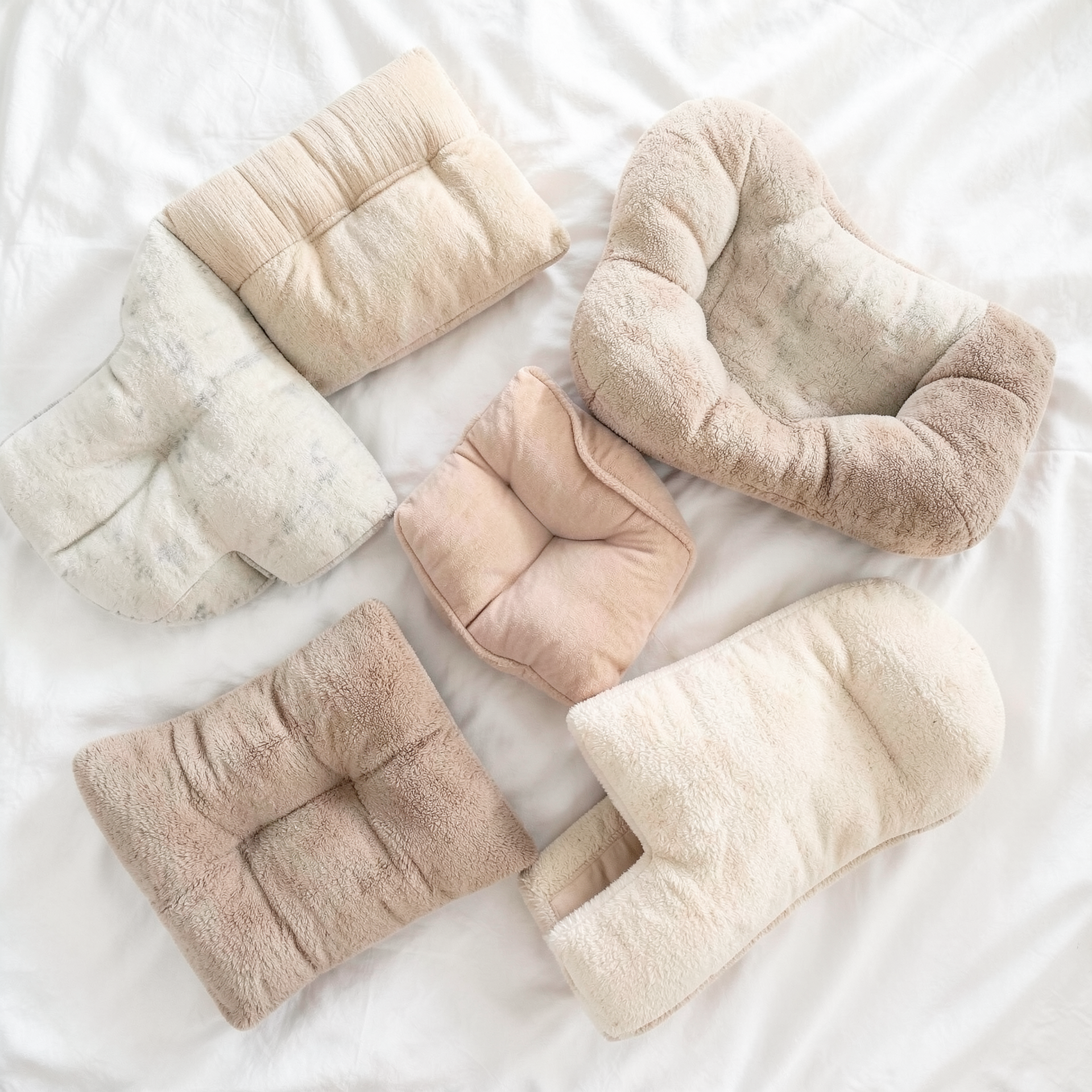
Here are some frequently asked questions about natural sleep pillows:
- Are natural sleep pillows suitable for people with allergies?
Yes, many natural sleep pillows are hypoallergenic, particularly those made from wool, cotton, or latex. Look for pillows that are certified organic or labeled as dust mite resistant. - How often should I replace my natural sleep pillow?
The lifespan of a natural sleep pillow depends on the materials used and how well it is cared for. Generally, natural sleep pillows last longer than synthetic pillows. Wool and latex pillows can last for several years, while cotton and down pillows may need to be replaced more frequently. Replace your pillow when it no longer provides adequate support or becomes lumpy or misshapen. - Can I wash my natural sleep pillow in the washing machine?
This depends on the material. Buckwheat pillows should not be machine washed. Wool and cotton pillows can typically be machine washed on a gentle cycle with cold water. Always follow the manufacturer’s washing instructions. - Are natural sleep pillows more expensive than synthetic pillows?
Natural sleep pillows can be more expensive than synthetic pillows, but they offer a range of benefits that make them a worthwhile investment. Consider the long-term value and durability of the pillow when making a purchasing decision. - What is the best way to store my natural sleep pillow when not in use?
Store your natural sleep pillow in a cool, dry place away from direct sunlight. Use a breathable storage bag to protect the pillow from dust and moisture. Avoid storing heavy items on top of the pillow, as this can compress the filling.
The Science Behind Natural Sleep: Research and Evidence
Emerging research supports the benefits of natural sleep products. A study published in the Journal of Allergy and Clinical Immunology found that wool bedding reduced dust mite populations compared to synthetic bedding. The study highlights the potential of natural materials to create a healthier sleep environment. The science of sweet dreams is constantly evolving.
Another study published in the Ergonomics journal demonstrated that buckwheat pillows provided better neck support and reduced neck pain compared to traditional polyester pillows. This research underscores the importance of choosing a pillow that provides adequate support for proper spinal alignment.
Triple Density Examples:
- Natural sleep pillows improve sleep quality. (High-Density)
- Research connects material to sleep quality. (Bridge)
- Studies offer evidence of natural benefits. (Transactional)
- This section shows the scientific basis of natural pillows. (Informational)
- Research includes studies on wool and buckwheat. (Hierarchical)
- Proper support causes reduced neck pain. (Causal)
- Research requires controlled testing. (Temporal)
- Buckwheat outperforms polyester in neck support. (Evaluative)
- Ergonomics research targets neck pain relief specifically. (Local)
Making the Switch: Embracing Natural Sleep for a Healthier Future
Choosing natural sleep pillows is a step towards a healthier and more sustainable lifestyle. The benefits extend beyond improved sleep quality, encompassing reduced allergen exposure, enhanced comfort, and a smaller environmental footprint. By understanding the different types of natural materials and considering individual sleep needs, individuals can make informed decisions that lead to better sleep and overall well-being. Consider the best pillows for sleep to meet your needs.
Triple Density Examples:
- Natural sleep enables a healthier future. (High-Density)
- Better sleep connects to overall well being. (Bridge)
- Natural pillows offer environmental benefits. (Transactional)
- This section explains the switch to natural materials. (Informational)
- A healthy future includes better sleep. (Hierarchical)
- Conscious choices cause better well being. (Causal)
- Transitioning to natural materials requires research. (Temporal)
- Natural materials surpass synthetics in health benefits. (Evaluative)
- This guide serves individuals seeking better sleep. (Local)
Internal Links: